 Save to Pinterest
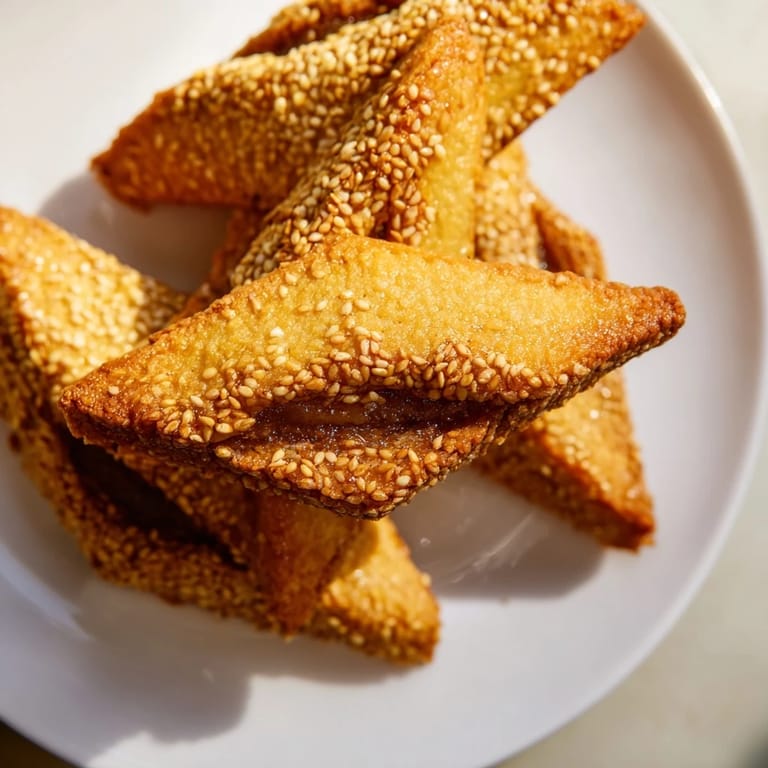
 The first time I tasted makroudh, it was late afternoon in a small kitchen in Tunis, and my hands were shaking slightly as I bit into one still warm from the oil. The honey syrup clung to my fingers, the dates inside were impossibly soft, and I remember thinking this couldn't possibly be something you could make at home. But here I am, years later, making batch after batch, and they taste even better than that memory. There's something about the way the semolina gets golden and crisp, the way the date filling melts on your tongue—it pulled me in immediately.
I made these for my neighbor last winter when she was sick, and when she told me they reminded her of her grandmother's kitchen, I understood why people guard these recipes. There's something about sharing food that carries memory in it, and makroudh does that beautifully.
Ingredients
- Fine semolina: This is the backbone of your dough and the crispy shell—don't skip the step of rubbing it with oil and butter, it creates the texture you're after.
- Unsalted butter and olive oil: Together they create a dough that's tender but sturdy enough to hold the filling without falling apart.
- Warm water: Add it slowly; semolina drinks it up differently depending on humidity, so you might need slightly less or more than listed.
- Sugar, salt, and cinnamon: These season the dough itself, not just the filling, which is the secret to the whole thing tasting cohesive.
- Pitted dates: Get them as fresh as possible and don't skip chopping them fine—a food processor works but takes the texture somewhere less pleasant.
- Orange blossom water: Optional but worth seeking out; it's what makes makroudh taste like itself rather than just a fried pastry.
- Honey: Warm honey absorbs into the cookies in a way cold honey doesn't, so this step matters more than it sounds.
- Sesame seeds: A garnish that looks beautiful and adds a subtle nuttiness if you toast them first.
Tired of Takeout? 🥡
Get 10 meals you can make faster than delivery arrives. Seriously.
One email. No spam. Unsubscribe anytime.
Instructions
- Cook the date filling down:
- Low heat is crucial here—you want the dates to collapse into a paste, not caramelize or brown. Stir frequently so nothing catches on the bottom, and when it looks like a dark, spreadable jam, that's when you know it's ready. Let it cool completely before shaping, or your hands will get sticky and frustrated.
- Build the dough gently:
- The rubbing motion with your fingertips is what creates that sandy texture that eventually becomes tender. Warm water goes in gradually while you knead loosely—overworking semolina toughens it, so stop the moment everything comes together. Twenty minutes of rest isn't just tradition; it lets the semolina fully hydrate so the cookies stay tender instead of dense.
- Shape and fill with intention:
- Rolling two thick logs gives you better control than trying to work with the whole dough at once. The groove you finger into each log should be deep but not go all the way through the bottom. Sealing it by folding and rolling gently ensures the filling doesn't escape into the oil, which changes everything about the final texture.
- Fry until they're golden all over:
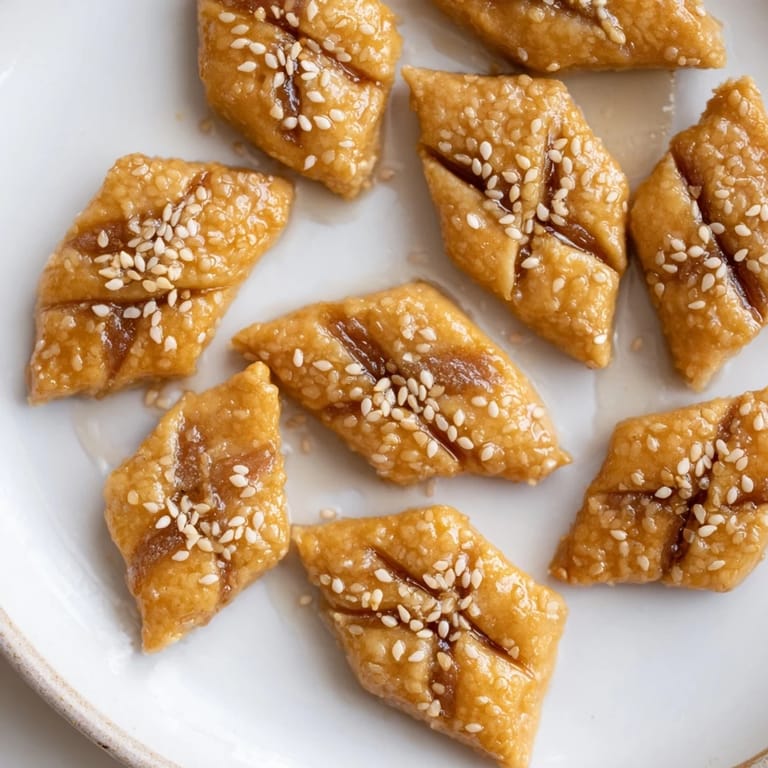
- 170°C is hot enough to set the outside quickly without burning it, and the 5 to 7 minutes lets the inside cook through without the outside turning too dark. They'll continue darkening slightly as they cool, so pull them when they're a shade lighter than where you want them to be.
- Dip into warm syrup while they're still hot:
- This is the moment where everything clicks together—the warm cookie absorbs the honey and the syrup finds its way into every crack and crevice. If the syrup cools, warm it again; cold syrup just sits on top instead of soaking in.
 Save to Pinterest
 I've made these in the kitchen at dawn before anyone else was awake, just to smell that combination of dates and honey and cinnamon coming alive in hot oil. It's a smell that fills your whole house and makes everything feel like a celebration, even if it's just a Tuesday morning.
The Dough Matters More Than You Think
The beauty of makroudh is that the semolina dough is flexible—it forgives you if you're off by a tablespoon of water, but only if you understand what you're aiming for. You want it soft enough to fold over the filling without cracking, but firm enough that it doesn't stick to your hands or the rolling pin. This is one of those things that feels impossible the first time and obvious the second.
Why Orange Blossom Water Changes Everything
There's a reason these cookies taste like themselves when you use orange blossom water and taste like something more generic when you don't. It's subtle but unmistakable—a floral note that sits underneath the spices and honey and somehow makes the dates taste more like themselves. If you can't find it, rose water works in a pinch, but orange blossom is worth the hunt.
Storing and Serving Your Makroudh
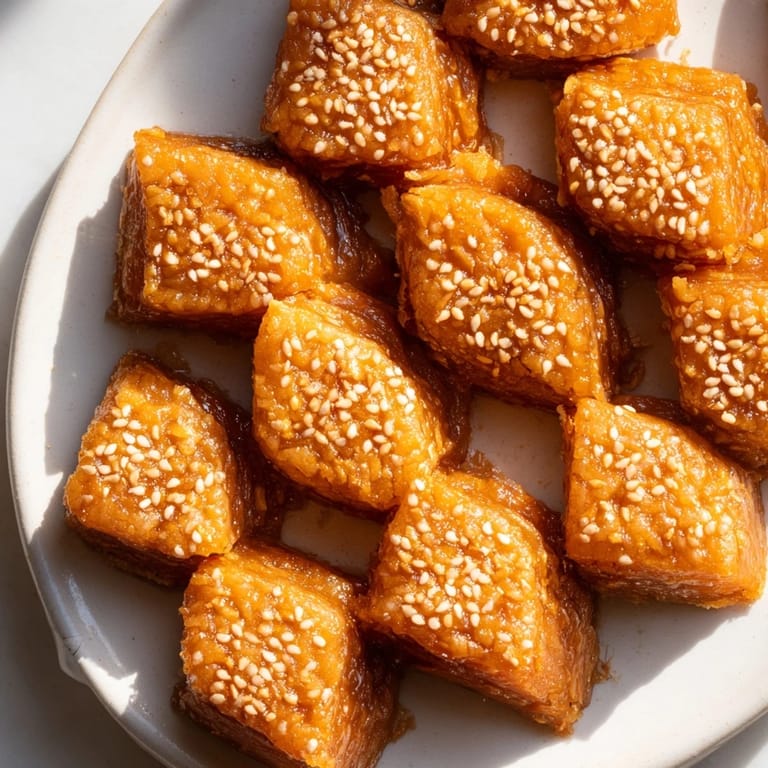
These keep beautifully in an airtight container, and on the second or third day they actually taste better as the flavors settle and meld. They're perfect with mint tea, strong coffee, or just as an afternoon moment of quiet sweetness. If you want to make them ahead for a gathering, you can fry and dip them a day early and let them sit—they won't dry out the way you might expect.
- Layer them between parchment paper in the container so they don't stick to each other.
- If they soften because of humidity, you can refresh them very gently in a low oven for five minutes to re-crisp the outside.
- They freeze beautifully after frying and dipping, so make a double batch and save half for when you need instant comfort food.
 Save to Pinterest
 These cookies are the kind of thing that's worth making more than once, because the second time you'll understand them better and the third time they'll taste like home. There's a reason Tunisian families have been making them for generations—they're delicious, but they're also a way of saying I made this with care for you.
Recipe FAQ
- → What is the main flour used in this dish?
Fine semolina is used, providing a distinct texture and golden crust.
- → How is the date filling prepared?
The dates are cooked with butter, cinnamon, nutmeg, and sometimes orange blossom water to create a smooth, fragrant paste.
- → What cooking method is traditional for these treats?
They are traditionally deep-fried until golden and then briefly soaked in warm honey syrup.
- → Can they be baked instead of fried?
Yes, baking at 180°C for 25-30 minutes produces a lighter version that can also be dipped in syrup.
- → What flavors complement these semolina pastries best?
Warm spices like cinnamon and nutmeg, along with orange blossom water and honey, enhance their natural sweetness.
- → Are these treats suitable for a vegetarian diet?
Yes, they are vegetarian-friendly, containing semolina, butter, olive oil, and natural sweeteners.