 Save to Pinterest
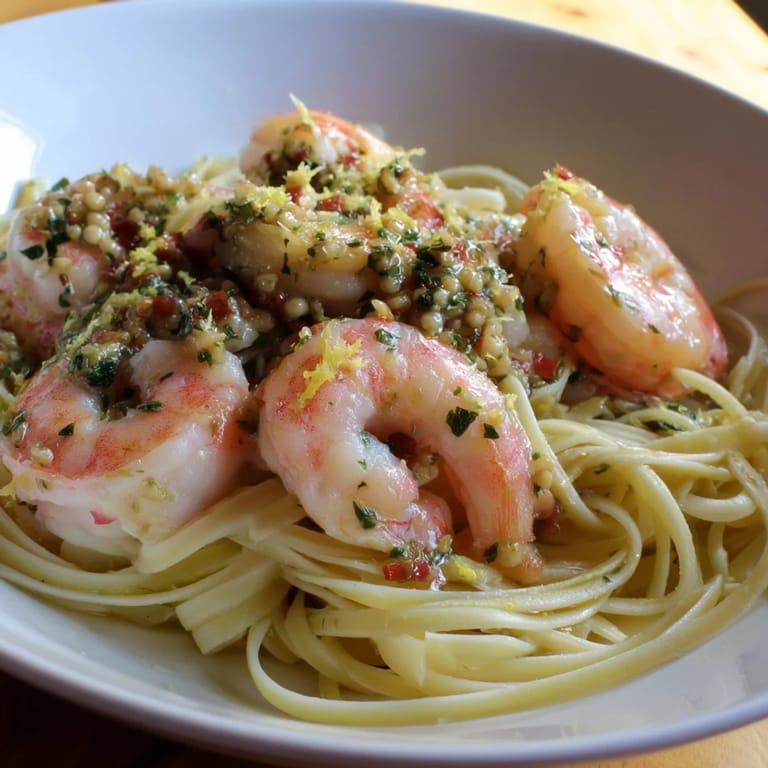
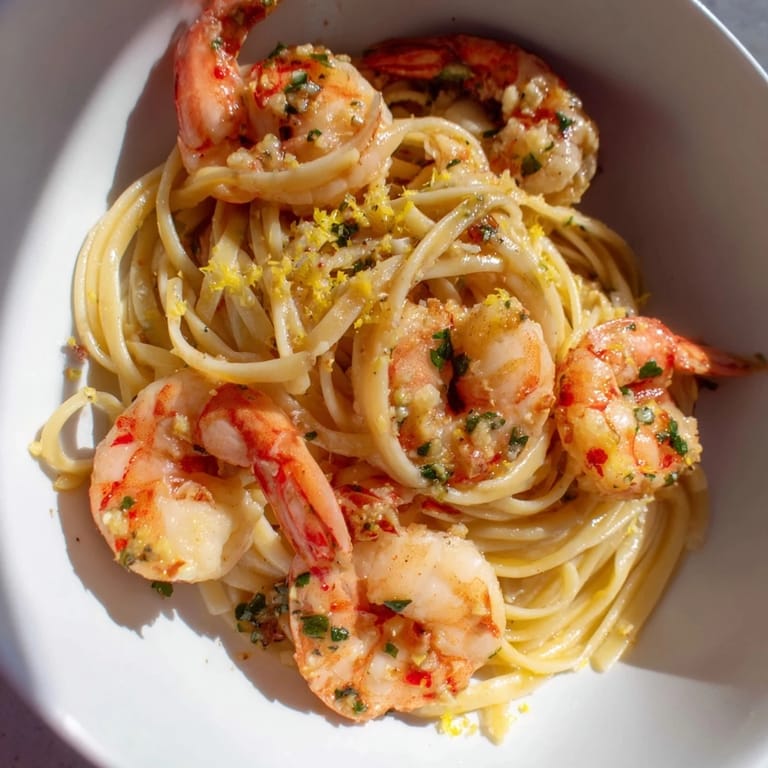
 There's something about the smell of garlic hitting hot oil that makes me stop whatever I'm doing. One evening, I was standing at my stove wondering what to cook with some beautiful shrimp I'd picked up, when that golden moment arrived—the kind where the kitchen suddenly smells like a coastal Italian restaurant. Lemon juice caught the light as I squeezed it into the pan, and I realized I was making something that tasted like a vacation but took less time than ordering takeout.
I made this for my sister's boyfriend on a random Tuesday, and he asked for the recipe before he'd even finished his plate. That's when I knew it was something special—not fancy or complicated, just genuinely delicious in a way that makes people want to eat it again and again.
Ingredients
- Large shrimp, peeled and deveined (400 g): Quality matters here more than anywhere else in the dish since shrimp cooks so quickly and takes center stage.
- Linguine or spaghetti (340 g): The long strands catch the sauce beautifully; cook it just shy of tender so it keeps a little bite.
- Garlic, minced (3 cloves): Mince it right before cooking so it releases those peppery, aromatic oils into the oil.
- Lemon zest and juice (1 large lemon): Zest first before cutting, and use fresh lemon every time—bottled just doesn't have the same life.
- Fresh parsley (3 tbsp): This herb is the backbone of freshness; add it at the very end so it stays vibrant.
- Fresh basil (2 tbsp, optional): Basil brings a sweet, peppery note that's lovely if you have it on hand.
- Extra-virgin olive oil (3 tbsp): Use the good stuff you actually enjoy tasting, since it's a main flavor here.
- Unsalted butter (1 tbsp): This rounds out the sauce and adds a subtle richness that makes it feel complete.
- Salt and freshly ground black pepper: Taste as you go and don't be shy—seasoning at the end makes all the difference.
Tired of Takeout? 🥡
Get 10 meals you can make faster than delivery arrives. Seriously.
One email. No spam. Unsubscribe anytime.
Instructions
- Get your pasta water ready:
- Boil a large pot of salted water and cook the pasta according to package directions until it's tender but still has a slight firmness when you bite it. The magic happens when you reserve about half a cup of that starchy water before draining—it's the secret to a silky sauce that clings to every strand.
- Prepare the shrimp:
- Pat them dry with paper towels and sprinkle lightly with salt and pepper. Dry shrimp means a better sear and that golden crust that tastes so good.
- Sear the shrimp:
- Heat two tablespoons of olive oil in a large skillet over medium-high heat until it shimmers, then lay the shrimp out in a single layer. Let them cook undisturbed for about a minute per side—you want them just pink and opaque, not rubbery. They'll keep cooking a bit more later, so don't overthink it.
- Build your flavor base:
- Lower the heat to medium and add the remaining oil and butter to the empty skillet. When the butter foams, add your minced garlic and let it sizzle for just 30 seconds until the smell makes your mouth water. This brief moment is everything—you want fragrant, not burned.
- Bring it all together:
- Add the drained pasta to the skillet along with that reserved pasta water, the lemon zest, and lemon juice. Toss everything gently and watch as the sauce becomes silky and clings to the noodles. It's mesmerizing, honestly.
- Finish with shrimp and herbs:
- Return the cooked shrimp to the pan, scatter the parsley and basil over everything, and toss gently until it's all combined and warm throughout. Taste and adjust your salt and pepper one more time.
- Plate and serve:
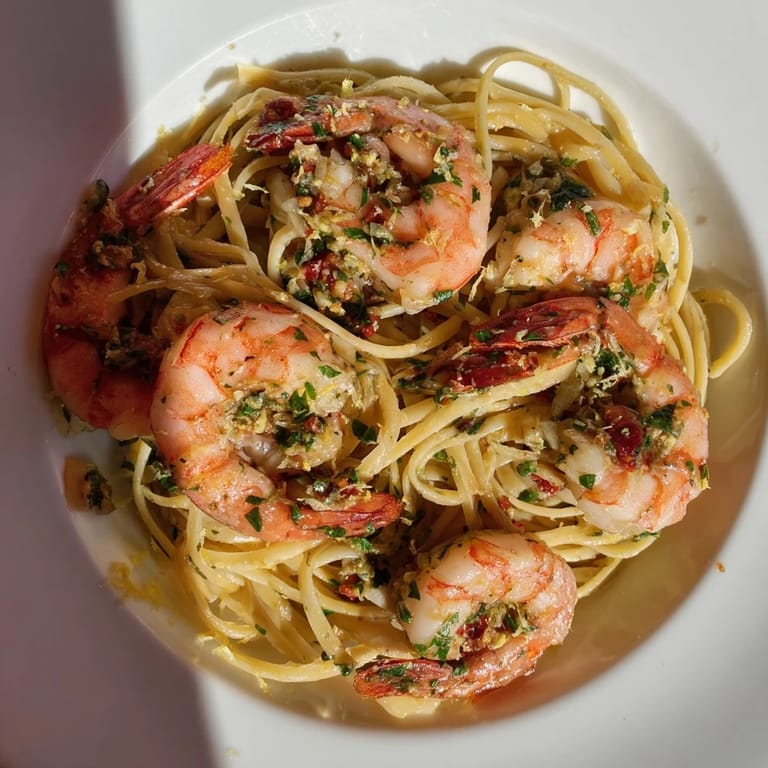
- Transfer to bowls or plates while everything is still steaming hot, and finish with extra lemon wedges, fresh herbs, and Parmesan if you're using it. The warmth of the dish brings out all those bright flavors.
 Save to Pinterest
 There was an evening when my roommate came home to this dish simmering on the stove, and before I could even invite her to eat, she was already pulling out a bowl. We shared it right there in the kitchen, standing up, both of us grinning because it somehow tasted both elegant and completely unpretentious.
Why Shrimp and Lemon Are Meant to Be
The reason this pairing feels so effortless is that lemon naturally brightens seafood and cuts through any heaviness. Shrimp has a delicate sweetness, and lemon brings it into sharp focus, making the dish feel lighter than it actually is. I've made this dozens of times now, and every single time that first bite reminds me why this combination has lasted for centuries in Mediterranean kitchens.
How to Know When Shrimp Is Perfectly Cooked
The trick I learned the hard way is watching for the color change rather than the clock. Raw shrimp is gray and slightly translucent, and cooked shrimp turns pink and opaque—but the moment it does, it's time to pull it off the heat. I once got distracted and let a batch cook too long, and the texture turned bouncy and weird, so now I set a timer and stand there like a hawk. Once you've nailed it a couple of times, you'll recognize that perfect moment instantly and never overthink it again.
Variations and Swaps That Actually Work
I've played around with this recipe enough to know what works and what doesn't. Sometimes I use a mix of herbs—a touch of tarragon or dill instead of basil, depending on what's in my garden. Other nights I add a small pinch of red pepper flakes for warmth, or I'll toss in some sliced zucchini if I want to stretch it. The core—shrimp, lemon, garlic, pasta—is so solid that it can handle your personal touches without falling apart.
- Swap spaghetti for fettuccine or any long pasta shape that appeals to you.
- For heat, add a pinch of red pepper flakes when you sauté the garlic.
- Leave out the butter and Parmesan for a dairy-free version that tastes just as good.
 Save to Pinterest
 This dish has become my go-to when I want to feel like I've done something impressive without spending all night in the kitchen. There's real joy in food that comes together this quickly and tastes this good.
Recipe FAQ
- → Can I substitute the type of pasta?
Yes, linguine can be replaced with spaghetti or fettuccine based on preference without altering the overall dish character.
- → How do I prevent the shrimp from overcooking?
Cook shrimp quickly over medium-high heat for 1–2 minutes per side until just pink and opaque to maintain tenderness.
- → What alternatives work for a dairy-free version?
Omit the butter and Parmesan cheese, using extra olive oil for richness without dairy.
- → Is it necessary to reserve pasta water?
Yes, reserving some pasta water helps loosen the sauce and allows it to coat the pasta evenly for better texture.
- → Which herbs complement this dish best?
Fresh parsley and basil add bright, aromatic notes that balance the lemon and garlic components perfectly.
- → What wine pairs well with this dish?
Sauvignon Blanc or Pinot Grigio enhance the citrus and seafood flavors, making an excellent accompaniment.