 Save to Pinterest
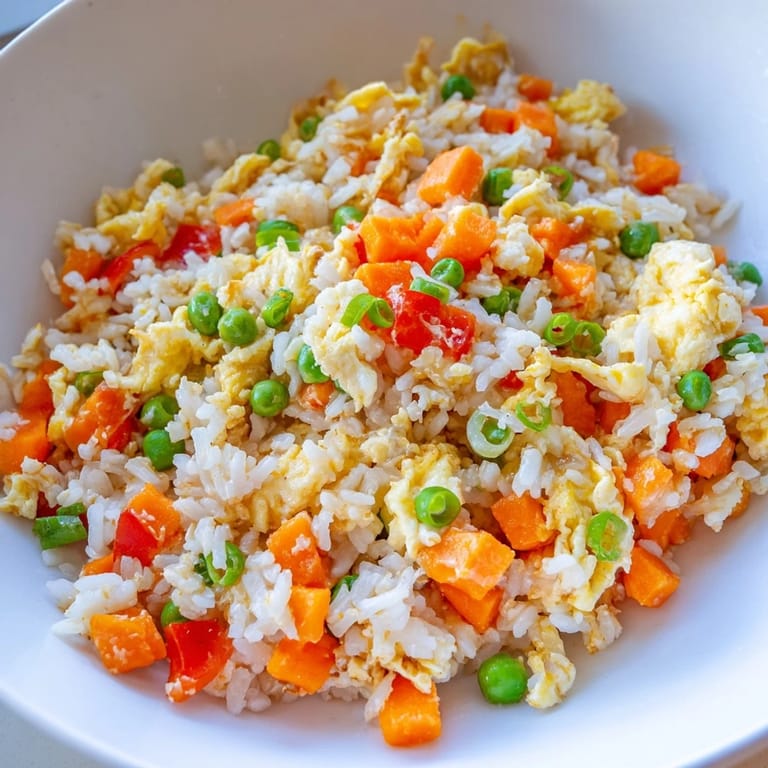
 There's something magical about the sizzle of day-old rice hitting hot oil, especially when you're scrambling to put dinner together on a Tuesday night. I discovered egg fried rice by accident, really—standing in front of an open fridge with leftover rice and eggs, wondering if I could make something better than reheating them separately. Twenty minutes later, I had a bowl of something so vibrant and satisfying that it became my go-to weeknight savior. What started as kitchen improvisation turned into a dish I crave regularly, the kind that tastes like it took hours but comes together faster than ordering takeout.
I remember making this for my roommate during finals week when neither of us had eaten properly in days; she took one bite and actually closed her eyes, and I realized right then that good food doesn't need to be complicated. The smell of eggs and garlic hitting the pan, the way the rice loosened up and turned glossy under the spatula—it felt like I was teaching her something, even though I'd learned it from pure necessity. That's when this dish stopped being just convenient and became something I make whenever I want someone to feel cared for.
Ingredients
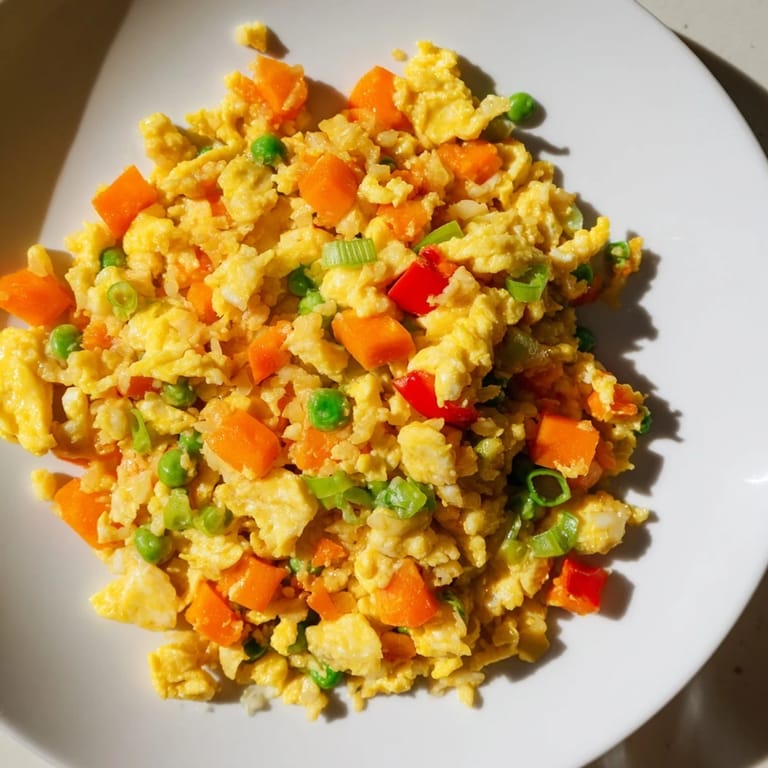
- Day-old cooked rice (2 cups, cold): Cold rice is non-negotiable here—it breaks apart easily instead of clumping, and each grain gets coated evenly with flavor. I learned this the hard way when I tried using warm rice and ended up with a mushy mess.
- Large eggs (2): Beat them thoroughly before they hit the pan so they scramble into fluffy ribbons rather than chunks.
- Diced carrots (1/2 cup): They stay slightly crisp and add a sweet earthiness that balances the salty soy sauce perfectly.
- Frozen peas, thawed (1/2 cup): Peas give you pops of sweetness and color; if you're using fresh, blanch them quickly first.
- Chopped scallions (1/4 cup): Split this—half goes in during cooking, half gets sprinkled raw on top for a bright bite at the end.
- Diced bell pepper (1/2 cup, optional): Any color works, but red or yellow ones feel a bit more festive and slightly sweeter.
- Soy sauce (2 tablespoons): This is your backbone flavor; don't skip it or use too little, but also don't drown it—you can always add more.
- Sesame oil (1 teaspoon): A little goes a long way; it's potent and toasty, and this amount perfumes the whole dish without overwhelming it.
- Ground white or black pepper (1/4 teaspoon): White pepper is subtler and more traditionally used in stir-fries, but black pepper works too.
- Vegetable oil (2 tablespoons): Use a neutral oil with a high smoke point; peanut or vegetable oil is ideal for the high heat.
Tired of Takeout? 🥡
Get 10 meals you can make faster than delivery arrives. Seriously.
One email. No spam. Unsubscribe anytime.
Instructions
- Set yourself up for success:
- Chop and measure everything before you turn on the heat—stir-frying moves fast, and you won't have time to dice carrots mid-sizzle. Crack your eggs into a bowl and beat them with a fork until no streaks of white remain, and take your rice out of the fridge so it's ready to go.
- Scramble the eggs:
- Heat 1 tablespoon of oil in a large skillet or wok over medium-high heat until it's just starting to shimmer, then pour in those beaten eggs. They'll start cooking almost immediately—stir gently until they form soft, fluffy curds, then slide them onto a plate. They don't need to be completely cooked through since they'll go back in the pan.
- Sauté your vegetables:
- Add the remaining tablespoon of oil to the same pan, and while it heats, throw in your carrots and bell pepper. Stir them around for about 2 minutes until they just start to soften and develop a slightly golden edge, then add the peas and half of your scallions and cook for another minute.
- Add the rice and break it up:
- Pour in your cold rice and start breaking up any clumps with your spatula, pressing gently against the sides of the pan. Keep stirring for 2 to 3 minutes so every grain gets heated through and starts to separate and caramelize slightly.
- Season and bring it together:
- Drizzle the soy sauce and sesame oil all over the rice, then toss everything constantly for about a minute so the flavors coat every grain evenly. It should smell absolutely incredible at this point—that's how you know it's working.
- Return the eggs and finish:
- Crumble those scrambled eggs back into the pan and toss everything together for just another minute to warm them through and distribute them throughout. Taste a bite and adjust with pepper or salt if you need it, then turn off the heat.
- Serve with fresh scallions:
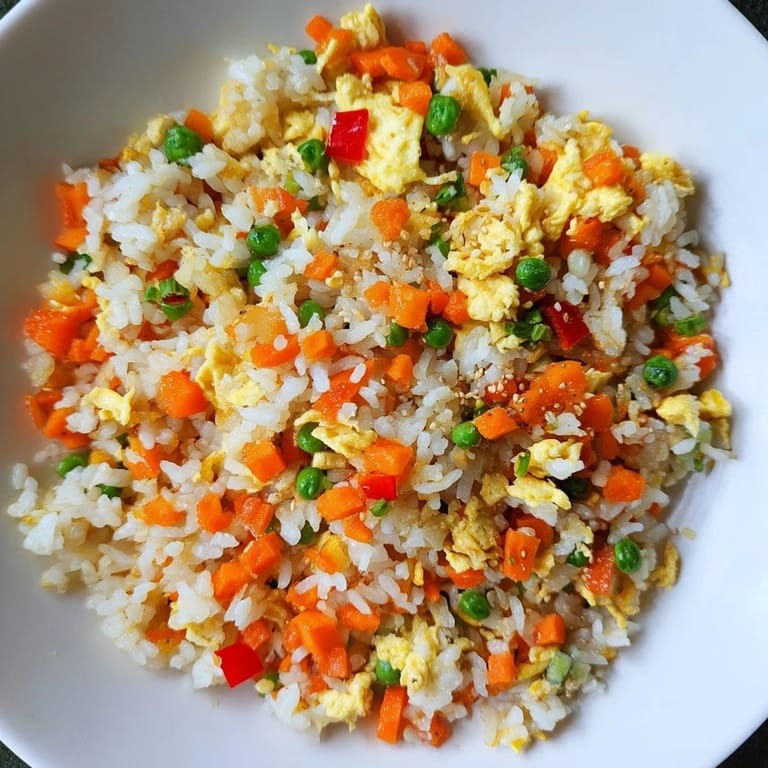
- Divide between bowls or plates and scatter the remaining raw scallions on top for a fresh, bright finish. Serve it hot while the rice is still steaming.
 Save to Pinterest
 The first time someone told me my egg fried rice tasted better than takeout, I didn't believe them, but now I get it—there's something about making it yourself that adds an unmeasurable ingredient. It's not just the care or the freshness; it's the knowledge that you can feed yourself something genuinely delicious whenever hunger strikes, without waiting or spending much money.
Variations Worth Trying
I've learned to treat this recipe like a template rather than a rule book. Swap in whatever vegetables are at their peak or hiding in the back of your fridge—corn adds sweetness, broccoli brings earthiness, snap peas stay crisp and tender, and mushrooms turn deeply savory if you cook them until their edges brown. For protein, dice up leftover cooked chicken or add fresh shrimp during the vegetable stage, or stir in cubed tofu if you want to keep it vegetarian and add some texture variation.
Building Extra Flavor
Once I started adding a small amount of minced garlic or ginger when the vegetables first hit the pan, the whole dish shifted into a different gear—the aromatics perfume the oil and infuse everything as it cooks. A drizzle of oyster sauce alongside or instead of some of the soy sauce adds umami depth, and if you have white miso paste, a tiny spoonful dissolved into the soy sauce creates a flavor that tastes almost impossible to achieve with such simple ingredients.
Making It Your Own
The best part about mastering this dish is how it becomes a vehicle for whatever you have on hand and whatever you're craving that night. I've made versions with nothing but eggs and rice and scallions on busy nights, and versions loaded with every vegetable in my kitchen on days when I felt like being generous. Each one has tasted good because the foundation is solid—the technique and the seasoning balance work together, leaving plenty of room for your own personality.
- Keep your rice cold and separated, not clumped, for the fluffiest results.
- Taste as you season so you can balance the salty and savory elements to your preference.
- Make this dish twice in a row and you'll develop an instinct for how long each step should take.
 Save to Pinterest
 Egg fried rice has become my quiet confidence in the kitchen, the dish I reach for when I want to prove to myself that good food doesn't require hours of prep or a long ingredient list. It's fast, forgiving, endlessly adaptable, and somehow always tastes like a small celebration of having a stocked fridge and a few minutes to spare.
Recipe FAQ
- → Can I use freshly cooked rice?
Day-old rice is preferred because it’s drier and less sticky, allowing for better separation during stir-frying, but freshly cooked rice can be used if spread out to cool and dry slightly.
- → What vegetables work best in this dish?
Carrots, peas, scallions, and bell peppers are common, but you can swap in corn, snap peas, or broccoli depending on availability.
- → How do I ensure fluffy eggs rather than rubbery ones?
Scramble eggs quickly over medium-high heat until just set, then remove from the pan before stir-frying the other ingredients to avoid overcooking.
- → Is there a way to add protein to this dish?
Yes, cooked chicken, shrimp, or tofu can be added during the stir-fry step to enhance protein content and flavor.
- → What are good oil choices for cooking?
Vegetable oil or other neutral oils work well for stir-frying to allow the other flavors to shine, while sesame oil is added at the end for aroma.
- → Can this dish be made gluten-free?
Using certified gluten-free soy sauce or tamari ensures the dish is suitable for gluten-sensitive diets.