 Save to Pinterest
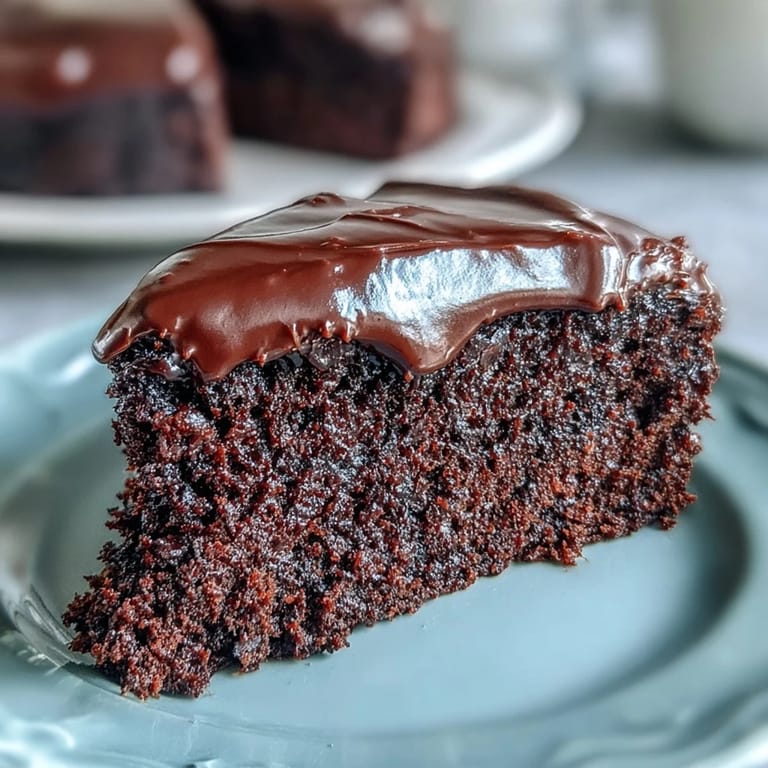
 The kitchen smelled like warm cocoa and melted butter, and I was elbow-deep in chocolate batter when my neighbor knocked to borrow sugar. She took one look at the bowl and said she'd bring it back tomorrow. That's the kind of cake this is: the kind that derails plans and starts conversations. I've made it for birthdays, rainy Sundays, and once just because I needed to remember what comfort tastes like. It's never the same twice, but it's always exactly right.
I baked this for my friend's birthday last March, and she cried a little when she saw it. Not because it was perfect, it had a crack down the middle, but because it was made with actual care. We ate it straight from the tin with two forks and talked until the candles burned down. Sometimes a cake is just a cake, but sometimes it's the thing that holds a moment together.
Ingredients
- Unsalted butter (200 g, plus extra for greasing): Use proper butter, not spread, or the texture goes sad and greasy instead of rich.
- Dark chocolate (200 g, minimum 50% cocoa solids), chopped: Don't go too fancy or too cheap, mid-range supermarket chocolate melts beautifully and doesn't overpower.
- Light brown sugar (250 g): This adds a caramel-like depth that white sugar just can't match, trust me on this.
- Large eggs (3): Room temperature eggs whisk up fluffier and blend into the batter without streaking.
- Plain flour (200 g): Sift it even if you think you don't need to, lumps hide and ruin the crumb.
- Baking powder (1 ½ tsp): Fresh baking powder matters, if it's been in your cupboard since 2019, replace it.
- Fine sea salt (¼ tsp): A tiny pinch makes the chocolate taste more like itself, not less.
- Cocoa powder (50 g): Go for Dutch-process if you can find it, it's smoother and less bitter.
- Whole milk (150 ml): Full-fat only, skimmed milk makes the cake taste like regret.
- Vanilla extract (1 tsp): Real extract, not essence, the flavor difference is huge.
- Dark chocolate for icing (150 g), chopped: Same quality as the cake chocolate, consistency is key.
- Unsalted butter for icing (100 g): Softened slightly so it blends without splitting.
- Icing sugar (200 g), sifted: Sifting is non-negotiable or you'll have gritty lumps in your glossy icing.
- Whole milk for icing (3 tbsp): Add it slowly, you can always add more but you can't take it back.
Tired of Takeout? 🥡
Get 10 meals you can make faster than delivery arrives. Seriously.
One email. No spam. Unsubscribe anytime.
Instructions
- Preheat and Prep:
- Set your oven to 180°C (160°C fan) or 350°F and grease two 20 cm round tins, then line the bottoms with baking paper. Don't skip the paper or you'll be chiseling cake out later.
- Melt the Chocolate and Butter:
- Put the butter and chopped chocolate in a heatproof bowl over a pan of barely simmering water, stirring now and then until it's glossy and smooth. Let it cool for a few minutes so it doesn't scramble the eggs.
- Whisk the Sugar and Eggs:
- In a big bowl, whisk the sugar and eggs together until they're pale, thick, and almost mousse-like. This takes a good few minutes by hand, less if you've got an electric whisk.
- Combine Chocolate and Egg Mixture:
- Stir the melted chocolate into the whisked eggs, folding gently so you don't knock out all the air. Add the vanilla extract and give it another stir.
- Sift the Dry Ingredients:
- In another bowl, sift together the flour, baking powder, salt, and cocoa powder. Sifting aerates everything and stops cocoa clumps from sneaking in.
- Fold and Mix:
- Add the dry ingredients to the wet mixture in two or three goes, alternating with splashes of milk, folding gently until just combined. Overmixing makes it tough, so stop when you can't see flour anymore.
- Divide and Bake:
- Split the batter evenly between your two tins and smooth the tops with a spatula. Bake for 30 to 35 minutes, until a skewer comes out with a few moist crumbs clinging on.
- Cool the Cakes:
- Let them sit in the tins for 10 minutes to firm up, then turn them out onto a wire rack to cool completely. Icing a warm cake is a slippery disaster.
- Make the Icing:
- Melt the chocolate and butter together just like before, then take it off the heat. Gradually beat in the sifted icing sugar and milk until it's smooth, glossy, and spreadable.
- Assemble and Ice:
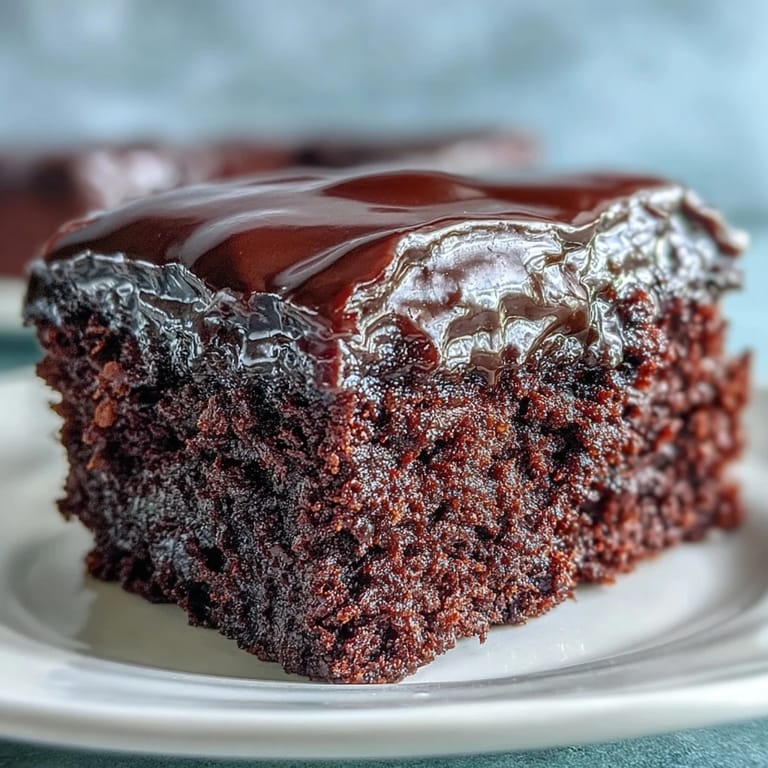
- Put one cake layer on your serving plate, spread a third of the icing over the top, then place the second layer on top. Cover the top and sides with the rest of the icing, smoothing it out with a palette knife or the back of a spoon.
 Save to Pinterest
 I once made this cake the night before a picnic and wrapped it in foil still warm because I ran out of time. The icing went everywhere and the layers slid apart in the basket. We ate it anyway, straight off the foil with our hands, and it was one of the best things I've ever tasted. Sometimes the mess is part of the memory.
Making It Your Own
I've tucked raspberry jam between the layers before, just a thin smear, and the sharpness cuts through the richness in the best way. You could also fold in a handful of chopped stem ginger or a spoonful of espresso powder into the batter for a grown-up twist. Once I dusted the top with edible gold because it was New Year's Eve and we were feeling fancy. The cake doesn't need it, but it doesn't mind either.
Storing and Serving
This cake keeps beautifully in an airtight tin for up to three days, and honestly it tastes better on day two when the flavors have melted into each other. Serve it with a dollop of whipped cream or a handful of fresh raspberries if you want contrast, or just serve it as it is with a cup of strong tea. I've also been known to eat a cold slice straight from the fridge at midnight, and I'm not sorry about it.
What You'll Need to Get Started
You'll want two 20 cm round cake tins, a couple of mixing bowls, and a whisk, electric or by hand depending on your energy levels. A heatproof bowl and a small saucepan for melting the chocolate, a spatula or palette knife for icing, and a wire rack for cooling. If you've got those, you're golden.
- Make sure your cake tins are the same size or the layers won't stack evenly.
- Line the bottoms with baking paper but greasing the sides helps the cake release cleanly.
- A palette knife makes icing so much easier, but a butter knife works in a pinch.
 Save to Pinterest
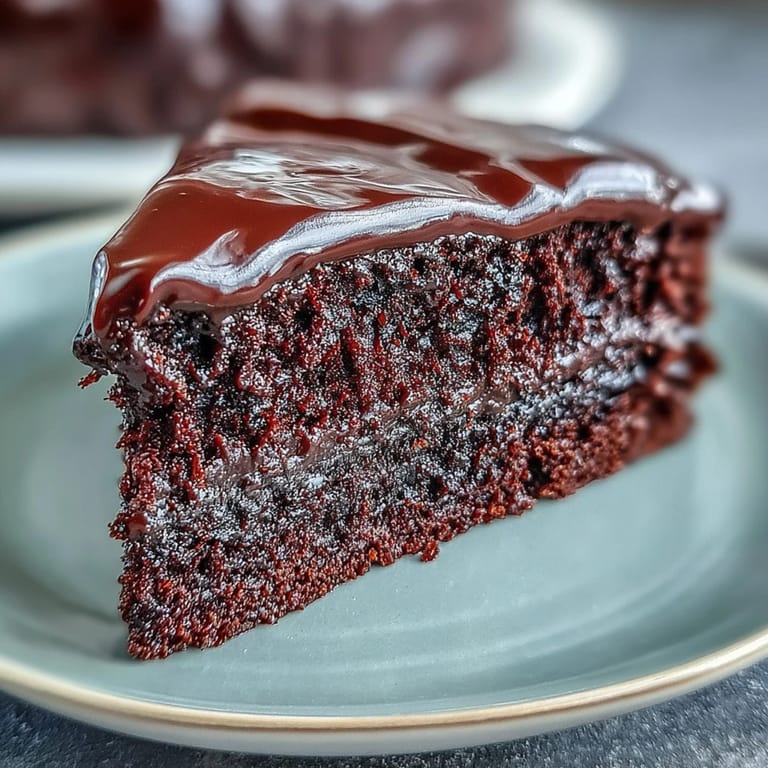
 This is the cake I come back to when I need something reliable, something that tastes like care and butter and a little bit of magic. I hope it becomes one of yours too.
Recipe FAQ
- → Can I make this cake in advance?
Yes, this chocolate fudge cake keeps well in an airtight container for up to 3 days. You can bake the cake layers a day ahead and ice them on the day of serving for best results.
- → What type of chocolate works best for this cake?
Use dark chocolate with minimum 50% cocoa solids for both the cake and icing. This ensures a rich, deep chocolate flavor without being overly sweet or bitter.
- → How do I know when the cake is properly baked?
Insert a skewer into the center of the cake after 30 minutes. It should come out with a few moist crumbs attached—not wet batter, but not completely clean either. This ensures the squidgy texture.
- → Can I substitute the whole milk with a dairy-free alternative?
While this is traditionally made with whole milk, you can use unsweetened almond or oat milk as a substitute. However, you'll also need to replace the butter with a dairy-free alternative for a fully dairy-free version.
- → What can I add between the cake layers besides icing?
For extra indulgence, spread a layer of raspberry jam between the cakes before adding the icing. Fresh whipped cream or chocolate ganache also work beautifully as filling options.
- → Why did my icing turn out grainy?
Grainy icing usually means the icing sugar wasn't properly sifted or the mixture was overheated. Make sure to sift the icing sugar and remove the chocolate-butter mixture from heat before adding it.