 Save to Pinterest
 The first time I made chermoula, I wasn't even looking for a marinade—I was standing in a Marrakech market at dawn, watching an elderly vendor arrange handfuls of cilantro and parsley into neat pyramids while arguing playfully with a customer about which spices made the best blend. When I asked what she was preparing, she thrust a handful of herbs into my hands and said, 'This is what makes fish sing.' I brought that philosophy home and never made a bland marinade again.
I remember pulling a sea bass from the fridge after marinating it in this chermoula—the kitchen smelled like a spice souk had moved into my home. My partner walked in mid-prep and actually stopped to just breathe it in. When that fish hit the pan, the edges turned golden and crispy while the flesh stayed tender, and the cilantro and lemon created this bright, almost sweet crust. That's the moment I understood that a good marinade isn't just flavor—it's the difference between a meal and a memory.
Ingredients
- Fresh cilantro (1 cup packed): This is the backbone—use the leaves and tender stems, because dried cilantro tastes like disappointment compared to the fresh, peppery brightness here.
- Fresh flat-leaf parsley (½ cup packed): The green quieter than cilantro, it adds depth and keeps the marinade from becoming one-note.
- Garlic cloves (4, minced): These need to be minced fine so they distribute evenly and don't create harsh raw pockets—a microplane works magic here.
- Shallot (1 small, optional): If you use it, it adds a whisper of sweetness that rounds out the spice blend beautifully.
- Lemon zest and juice (1 large): The zest gives intensity without bitterness, while the juice opens up all the other flavors—don't skip the zest.
- Ground cumin (2 tsp): Warm and earthy, this is what makes people ask what spice they're tasting.
- Sweet paprika (1½ tsp): Use sweet, not smoked, so the cilantro's brightness doesn't get shadowed.
- Ground coriander (1 tsp): It echoes lemon's citrus notes and creates this rounded, almost floral warmth.
- Cayenne pepper (½ tsp): Start conservatively—you can always add more heat, but you can't take it back.
- Ground black pepper (½ tsp): Freshly ground makes all the difference; pre-ground tastes dusty by comparison.
- Extra-virgin olive oil (½ cup): This becomes the vehicle that carries all the flavor into the fish, so use something you'd actually taste on its own.
- Sea salt (1½ tsp): Coarse salt dissolves better than fine, and it helps bind everything into a cohesive paste.
Tired of Takeout? 🥡
Get 10 meals you can make faster than delivery arrives. Seriously.
One email. No spam. Unsubscribe anytime.
Instructions
- Gather your herbs and aromatics:
- Chop your cilantro and parsley fine—you want them roughly the same texture, not one minced to dust and the other in chunky pieces. Mince the garlic and shallot until they're nearly paste-like.
- Build the base:
- Combine the herbs and garlic in a medium bowl, then add your lemon zest and juice. This is where the magic first appears—the aroma will hit you like a green, bright wave.
- Add the warmth:
- Sprinkle in your spices: cumin, paprika, coriander, cayenne, and black pepper. Stir gently so you can smell each one coming alive as it touches the wet ingredients.
- Bring it together:
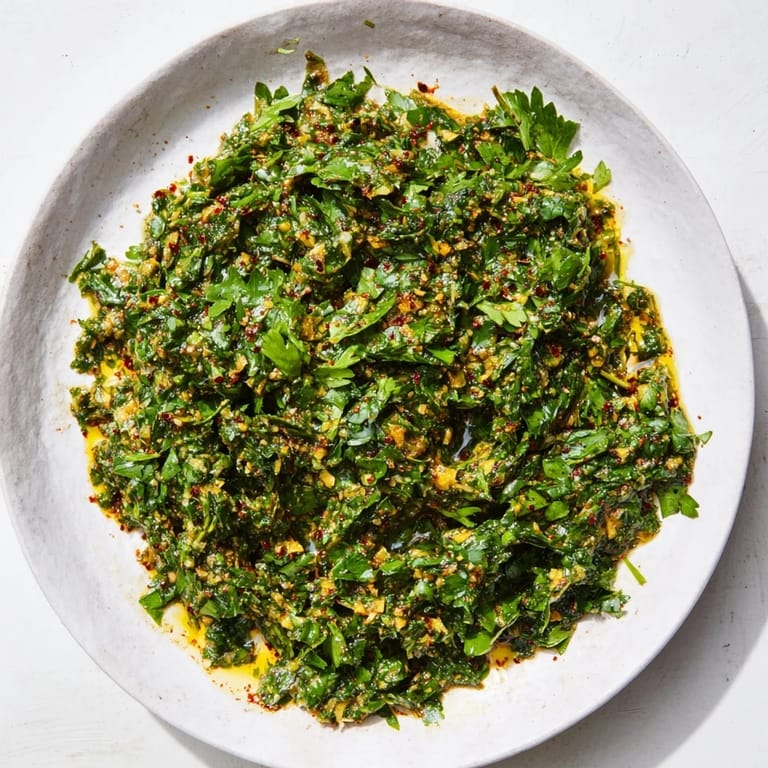
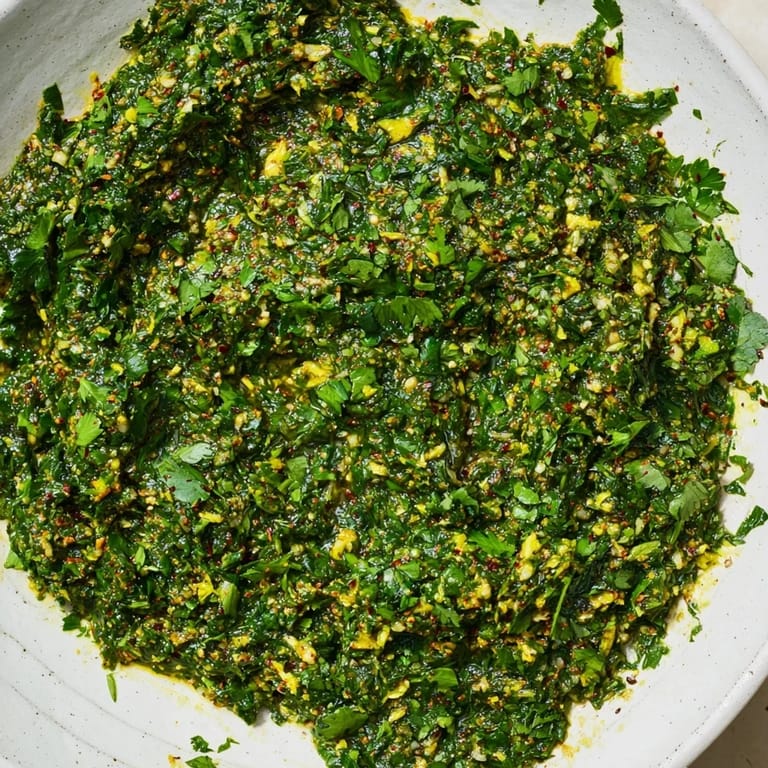
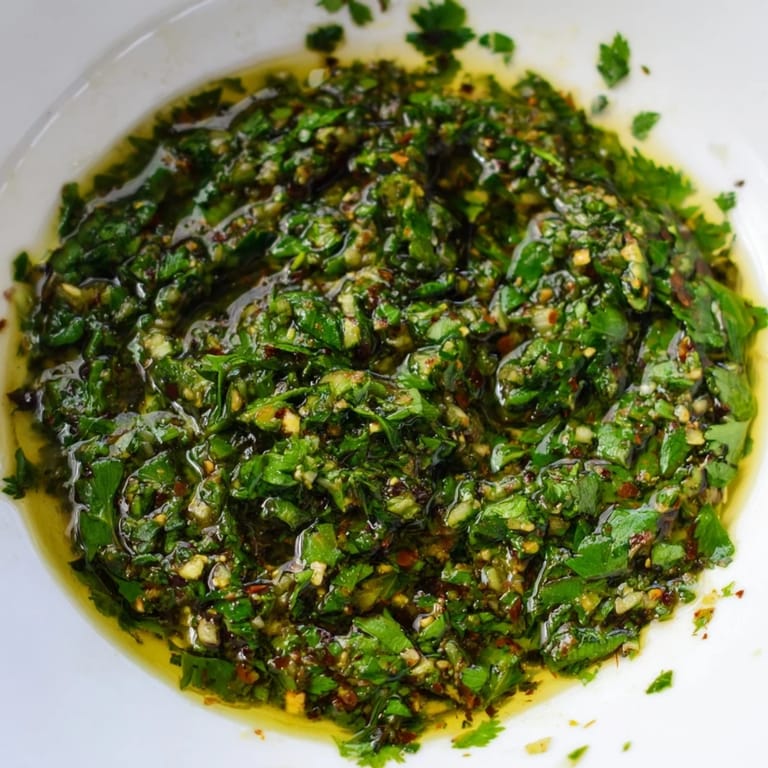
- Pour in the olive oil and sea salt, then mix everything thoroughly until it becomes a thick, chunky paste with a glossy sheen. You'll know it's right when it clings to a spoon.
- Taste and adjust:
- This step matters—taste it with a small piece of bread or fish if you have it. Add more salt if it feels flat, more lemon if it needs brightness, or a pinch more cayenne if it needs an edge.
- Marinate your fish:
- Coat your fish generously, making sure the paste gets into any crevices, then cover and refrigerate for 30 minutes to 2 hours. Longer than 2 hours and the lemon starts breaking down the flesh in an unpleasant way.
 Save to Pinterest
 There's a moment when you first taste fish draped in fresh chermoula that feels almost shocking in its simplicity—just herbs, lemon, and warmth, but suddenly the fish tastes like it came from a place you've never been. That's when you realize some of the best cooking isn't complicated, it's just generous and honest.
Why Moroccan Cuisine Uses This Marinade
In North Africa, marinades like chermoula exist because the climate is hot and the spice trade is ancient. Fresh herbs were abundance, lemons grew everywhere, and there was always time to let flavors develop before the heat of the day made cooking difficult. But it's more than practical—it's cultural. The Moroccan kitchen celebrates brightness and life in the food, and chermoula embodies that philosophy. Every ingredient here has a reason, and nothing is there just because tradition says so.
The Science of This Particular Balance
The cilantro and parsley are the flavor leaders—herbaceous and fresh—while the garlic and shallot provide savory backbone. The lemon zest (not just juice) brings concentrated citrus oil that regular juice can't match, and the spices warm everything without overpowering. Cumin and coriander are actually related botanically, so they harmonize naturally, while paprika adds color and paprika adds smoothness, and cayenne brings just enough heat to make you notice. The olive oil isn't just fat—it's an emulsifier that helps all these disparate elements become a unified paste. This isn't random; it's a formula that's been refined over centuries.
Variations and Adaptations
Once you understand how this marinade works, you can play with it confidently. Some cooks add a touch of honey or pomegranate molasses for sweetness, others use mint instead of parsley for a cooler brightness, and I've seen versions with a whisper of saffron for luxury. The point is that the structure holds—herbs, citrus, heat, spice, oil—and everything else is personal preference. I once added preserved lemon instead of fresh because that's what I had on hand, and it created this deeper, slightly funky dimension that was oddly wonderful.
- For a spicier version, add ½ tsp more cayenne or a pinch of ground ginger.
- Try it on chicken thighs or roasted vegetables—the same 30-minute to 2-hour window applies.
- If you have access to fresh cilantro root (sometimes available at Asian markets), chop some into this marinade for an extra layer of complexity.
 Save to Pinterest
 Chermoula is proof that the best meals don't come from long ingredient lists or complicated technique—they come from understanding a few things very well and respecting each of them. It's food that tastes like travel and care in equal measure.
Recipe FAQ
- → What is chermoula used for?
Chermoula is a flavorful marinade traditionally used to season fish and seafood, adding vibrant herbs and spices.
- → Can I adjust the spiciness of this marinade?
Yes, reduce or omit the cayenne pepper to make the blend milder according to your taste preference.
- → How long should the marinade rest on fish?
Coat the fish generously and refrigerate for 30 minutes to 2 hours for optimal flavor infusion.
- → Are there substitutions for fresh herbs in chermoula?
Fresh cilantro and parsley are essential for authentic flavor; dried herbs are less recommended but can be used sparingly.
- → Can this marinade be used on other proteins or vegetables?
Yes, it complements chicken and vegetables well, adding a bright and spicy herbaceous note.
- → How should the marinade be prepared for best texture?
Mix ingredients thoroughly until a thick, fragrant paste forms. For a smoother texture, pulse in a food processor.