 Save to Pinterest
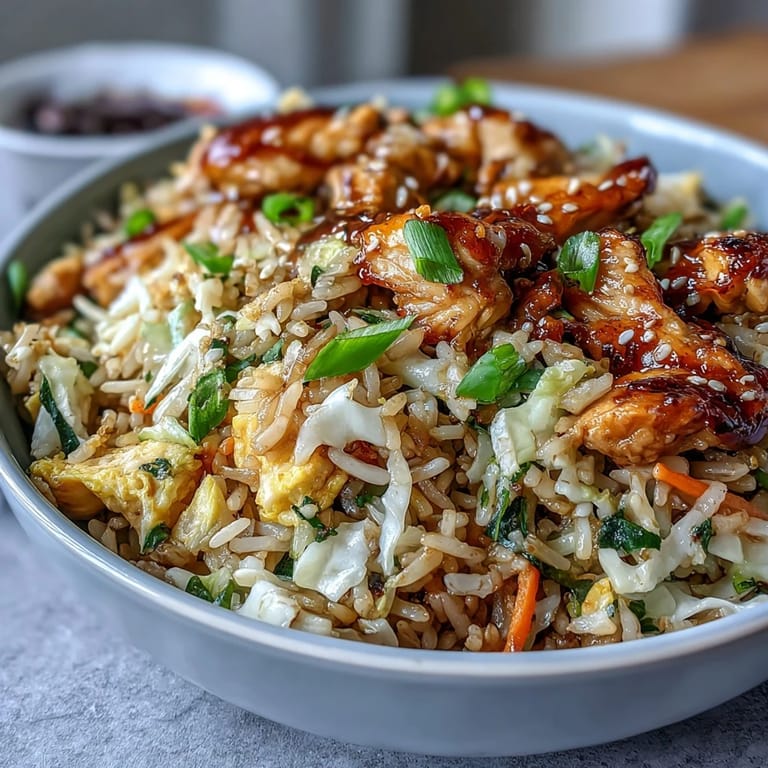
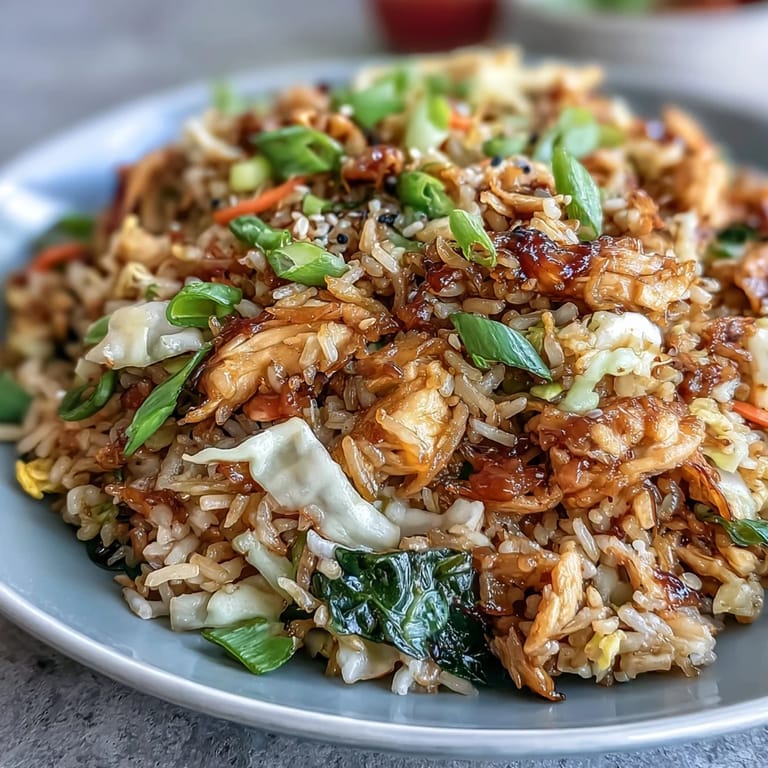
 There's something magical about the moment when leftover rice transforms into something completely different—a dish that tastes nothing like what came before it. I discovered this egg roll fried rice on a Tuesday night when I had half a container of cooked chicken sitting in my fridge and a craving for that savory-sweet crunch of egg rolls, but without the hassle of rolling and frying. What started as improvisation became my go-to weeknight solution, the kind of meal that feels restaurant-quality but comes together faster than ordering takeout.
My neighbor stopped by one evening right as I was finishing this dish, and the smell hit her before she even walked through the door—that toasted sesame oil mixed with caramelized garlic stopped her mid-sentence. She ended up sitting at my counter, fork in hand, declaring it better than the takeout place two blocks over. Since then, it's become our standing Wednesday dinner when she needs something fast but wants to feel like she's treating herself.
Ingredients
- Cooked chicken breast (2 cups, shredded or diced): Using day-old cooked chicken saves precious minutes and prevents the meat from drying out during the quick cooking.
- Large eggs (3): They scramble right in the pan and create pockets of richness throughout the rice.
- Coleslaw mix (2 cups): This shortcut ingredient delivers the cabbage-and-carrot crunch that makes egg rolls special without the prep work.
- Green onions (1/2 cup, sliced): Add these at the end so they stay bright and fresh-tasting rather than turning soft and dull.
- Garlic and ginger (2 cloves minced, 1 tablespoon grated): The combination builds that savory foundation everything else relies on; don't skip either one.
- Cooked jasmine or long-grain rice (3 cups, preferably day-old): Day-old rice separates beautifully because the moisture has had time to evaporate; fresh rice turns mushy and clumpy.
- Soy sauce (3 tablespoons, low sodium if desired): This is your main seasoning anchor, so taste as you go and adjust to your preference.
- Oyster sauce (1 tablespoon, optional): It adds a subtle depth that rounds out the flavors, but the dish works perfectly fine without it if you prefer.
- Toasted sesame oil (1 teaspoon): This is where the magic happens—drizzle it in near the end so the heat doesn't diminish its fragrant nuttiness.
- Ground white pepper (1/2 teaspoon): White pepper distributes more evenly through fried rice than black and keeps the appearance clean.
- Sriracha or chili sauce (1 teaspoon, optional, to taste): Add this if you want heat, but go slow because a little goes a long way.
- Vegetable oil (2 tablespoons): Use something neutral like canola so it doesn't compete with all the other flavors happening at once.
Tired of Takeout? 🥡
Get 10 meals you can make faster than delivery arrives. Seriously.
One email. No spam. Unsubscribe anytime.
Instructions
- Set up your station:
- Arrange all your ingredients within arm's reach before the heat goes on—this dish moves quickly and you won't want to be hunting for things mid-stir-fry. Think of it as giving yourself permission to relax once the cooking starts.
- Toast the chicken:
- Heat 1 tablespoon of oil in your wok or largest skillet over medium-high heat until it shimmers, then add the chicken and let it warm through for about 2 minutes. Transfer it to a clean plate while you build the other flavors.
- Wake up the aromatics:
- Add another tablespoon of oil, then immediately hit it with the minced garlic and grated ginger, stirring constantly for 30 seconds until your kitchen smells like a proper stir-fry restaurant. Don't let them brown or they'll taste bitter.
- Cook the vegetables:
- Toss in the coleslaw mix and keep stirring for 2 to 3 minutes until the cabbage softens slightly but still has a little bite to it. You want texture here, not mush.
- Scramble the eggs:
- Push all the cooked vegetables to one side of the pan, crack the eggs into the empty space, and let them sit for about 10 seconds before scrambling them gently. Once they're nearly set, fold them into the vegetables and let everything mingle.
- Bring it all together:
- Return the chicken to the pan along with all your rice, then pour in the soy sauce, oyster sauce if using, sesame oil, and white pepper. Stir and toss for 3 to 4 minutes, breaking up any stubborn rice clumps with the back of your spatula.
- Finish with fresh notes:
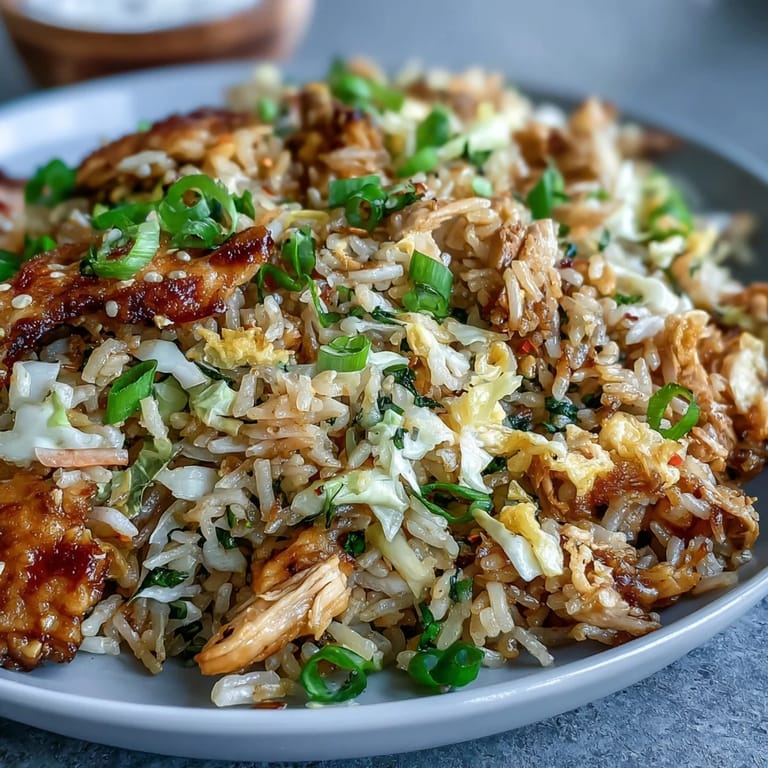
- Stir in the green onions and sriracha if you're using it, cook for 1 more minute, then taste and adjust the seasoning to match your mood. Some nights I add a splash more soy sauce; other times I want more heat.
 Save to Pinterest
 There's a quiet satisfaction in watching someone's face light up when they taste this for the first time and realize it came from your own kitchen. It's the moment when a weeknight dinner stops being just fuel and becomes something worth remembering.
Why Day-Old Rice Changes Everything
Fresh, warm rice is fluffy and wonderful when you're serving it plain with a sauce, but in fried rice it absorbs too much moisture and clumps together into a starchy mass. Day-old rice that's been refrigerated has lost enough internal moisture that each grain stays separate and distinct, which is exactly what you want when you're tossing everything together at high heat. If you're in a bind and only have fresh rice, spread it out on a baking sheet, let it cool completely uncovered, and even that helps more than you'd expect.
The Coleslaw Mix Shortcut
Using pre-shredded coleslaw mix instead of shredding cabbage and carrots by hand cuts your prep time nearly in half, which matters when you're hungry and tired after work. It delivers the exact texture and flavor profile of egg rolls because that's essentially what coleslaw is in the first place. The only caveat is to cook it quickly so it softens without turning into a sad, translucent mess—keep the heat high and don't wander away from the pan.
Building Flavor Without Complicated Techniques
The secret to this dish feeling more sophisticated than it actually is comes down to layering flavors rather than adding them all at once. You start by blooming the garlic and ginger in oil so they release their aromatic compounds, then add the vegetables so they absorb those flavors, then the rice so it gets coated in everything you've built. Finally, the soy sauce, sesame oil, and siracha go in at strategic moments to create complexity without requiring any fancy knife skills or knowledge.
- Taste as you go and remember that soy sauce is salty, so you might not need as much salt as a standard recipe suggests.
- Don't be afraid to add a tiny pinch more sesame oil if the dish tastes a little flat—it's forgiving and delicious.
- If someone at your table doesn't like heat, serve the sriracha on the side so they can control their own spice level.
 Save to Pinterest
 This is the kind of recipe that proves you don't need hours in the kitchen or an ingredient list longer than your arm to make something that tastes special. It's just rice, chicken, and vegetables that have learned to play together in the best possible way.
Recipe FAQ
- → Can I use fresh rice instead of day-old?
Fresh rice can work but tends to become mushy. For best results, spread cooked rice on a baking sheet and refrigerate uncovered for at least 4 hours to dry out slightly before stir-frying.
- → What other proteins work well in this dish?
Shrimp, pork loin, or crumbled ground pork make excellent alternatives. For vegetarian options, try firm tofu cubes, edamame, or additional vegetables like bell peppers and snap peas.
- → Can I make this ahead of time?
This dish tastes even better as leftovers. Store in an airtight container in the refrigerator for up to 4 days. Reheat in a skillet with a splash of water to refresh the texture.
- → Is this gluten-free?
Use tamari instead of soy sauce and verify your oyster sauce is gluten-free. The base ingredients are naturally gluten-free, making it easy to adapt with the right sauce selections.
- → What vegetables can I add for more variety?
Water chestnuts add authentic crunch, while bean sprouts, snap peas, diced bell peppers, or shredded bok choy incorporate beautifully. Adjust cooking times to maintain vegetables' crisp-tender texture.
- → How spicy is this dish?
As written, it's mildly seasoned with white pepper. Add sriracha gradually to reach your preferred heat level. For more depth without excessive heat, try a drizzle of chili garlic sauce instead.