 Save to Pinterest
 My uncle pulled a cast iron skillet from the cabinet one Sunday afternoon, the kitchen suddenly filling with that particular kind of heat that meant something good was coming. He'd promised to teach me his catfish, and as he soaked those fillets in buttermilk spiked with hot sauce, he explained without any fuss that the acid was doing something invisible but important—breaking down the fish, making it tender. By the time the oil shimmered and popped, I understood this wasn't just frying; it was ceremony.
I made this for my roommate during her first week in the city, and she sat at our tiny kitchen table watching the fillets turn golden, her feet dangling slightly because our chairs didn't quite fit right. She took one bite, closed her eyes, and said it tasted like home—her home, somewhere in Mississippi she hadn't been in years. That's when I realized food carries memory in a way nothing else quite does.
Ingredients
- Catfish fillets (4, about 6 oz each): Fresh or frozen (thawed) works fine; the mild, slightly sweet flavor is exactly why this fish became soul food royalty.
- Buttermilk (1 cup): The tangy base of your marinade that softens the fish from the outside in—don't skip it or substitute with regular milk.
- Hot sauce (1 teaspoon, plus 2 more for the sauce): Brings heat and complexity; use what you like, whether that's Louisiana-style or vinegar-forward.
- Yellow cornmeal (1 cup): This is what gives you that signature crunchy, golden crust—cornmeal brings texture that flour alone never could.
- All-purpose flour (1/2 cup): Helps bind everything and creates structure; too much and your coating gets heavy.
- Paprika (1 teaspoon): Brings warmth and color; I use regular paprika here and smoked paprika in the sauce for layered flavor.
- Garlic powder and onion powder (1 teaspoon each): These are non-negotiable for that authentic soul food seasoning profile.
- Cayenne pepper (1/2 teaspoon): Adds gentle heat that builds rather than hits you all at once.
- Salt and black pepper (1 teaspoon salt, 1/2 teaspoon pepper): Season generously; fish needs it more than you might expect.
- Vegetable oil (for frying): Use something with a high smoke point like canola or peanut oil.
- Mayonnaise (1/2 cup) and Dijon mustard (2 tablespoons): The creamy, tangy base of your remoulade that balances the fried richness.
- Prepared horseradish (1 tablespoon): Brings sharp, unexpected bite; this is what separates good remoulade from forgettable.
- Sweet pickle relish (2 teaspoons): Adds brightness and just a hint of sweetness that makes people pause and ask what that flavor is.
- Fresh lemon juice (1 tablespoon): Squeezes out from a real lemon right before serving—bottled won't give you the same snap.
- Smoked paprika (2 teaspoons): Creates depth in the sauce without overpowering the fish.
- Fresh parsley (1 tablespoon, chopped): A last-minute brightness that makes everything feel fresh.
Tired of Takeout? 🥡
Get 10 meals you can make faster than delivery arrives. Seriously.
One email. No spam. Unsubscribe anytime.
Instructions
- Prepare your marinade and soak:
- Whisk buttermilk and hot sauce together in a shallow dish, then nestle those catfish fillets in and let them sit for at least fifteen minutes—this is when the magic of tenderizing begins. The longer they soak (up to an hour is fine), the more forgiving your fish becomes.
- Mix your dry coating:
- Combine cornmeal, flour, paprika, garlic powder, onion powder, cayenne, salt, and pepper in another shallow dish, stirring until the spices are evenly distributed throughout. This is where you're building flavor into every bit of that crust.
- Heat your oil to the right temperature:
- Pour about one inch of vegetable oil into a deep skillet or Dutch oven and bring it to 350°F—use a thermometer because guessing is how you end up with soggy catfish or a kitchen fire. The oil should shimmer and move lazily, not smoke aggressively.
- Dredge and fry:
- Lift each marinated fillet, letting excess buttermilk drip off, then press it gently into your seasoned cornmeal mixture, making sure every surface gets coated evenly. Working in batches so you don't crowd the pan, fry each fillet for three to four minutes per side until the crust turns deep golden brown and the fish flakes easily when you nudge it with a fork.
- Drain and rest:
- Transfer your fried fillets to a paper towel-lined plate immediately so they can drain while staying warm. Don't pile them up; let them breathe a little.
- Make your remoulade:
- While the fish is still warm, whisk together mayonnaise, Dijon mustard, horseradish, hot sauce, pickle relish, lemon juice, minced garlic, and smoked paprika in a bowl until completely smooth. Finish with chopped parsley, then taste and adjust salt and pepper—this sauce should sing.
 Save to Pinterest
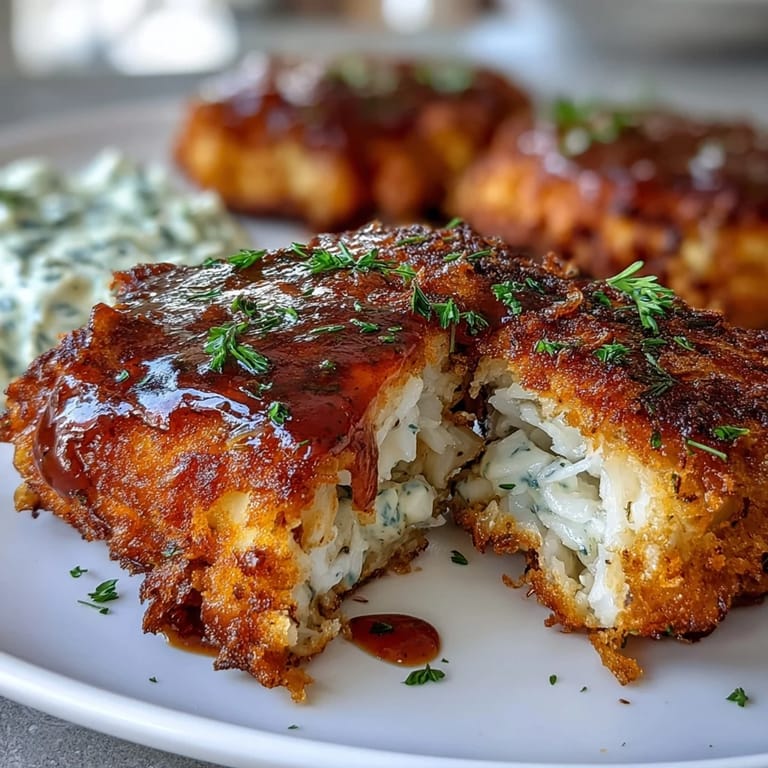
 There's a moment when you slide those fillets into hot oil and hear that hiss and snap, when the kitchen fills with golden steam and you know something delicious is happening. That moment never gets old, no matter how many times you make this dish.
The Secret of the Crust
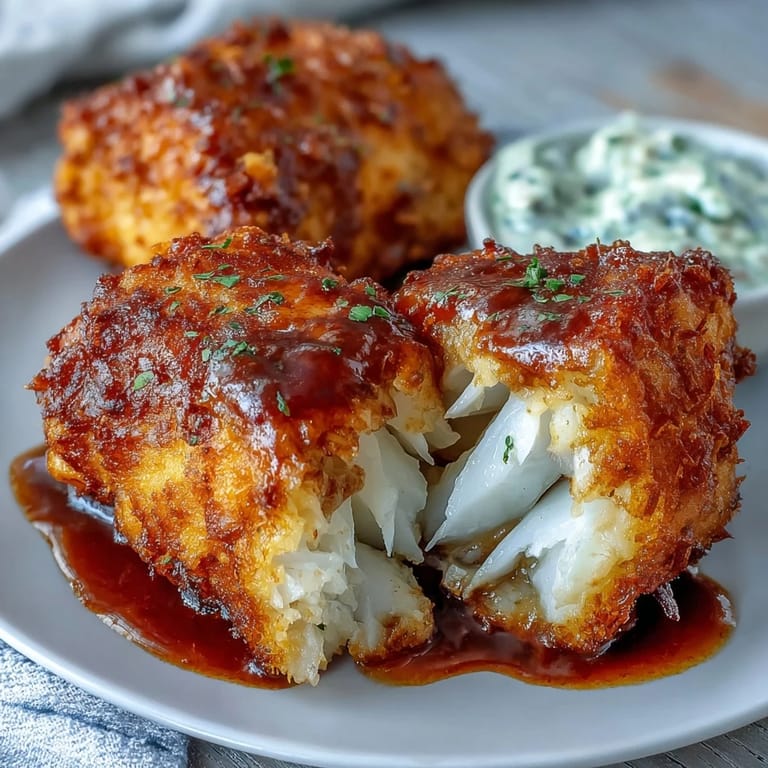
The reason this catfish tastes so different from other fried fish comes down to the cornmeal, which creates a crust that's actually crunchy rather than just crispy-on-the-surface. When you combine cornmeal with flour and keep it well-seasoned, you're building a shell that protects the delicate fish inside while developing this incredible textural contrast. The buttermilk marinade ensures the fish doesn't dry out during cooking, so you end up with something that's crispy outside, tender inside, and genuinely crave-worthy.
Why the Remoulade Matters
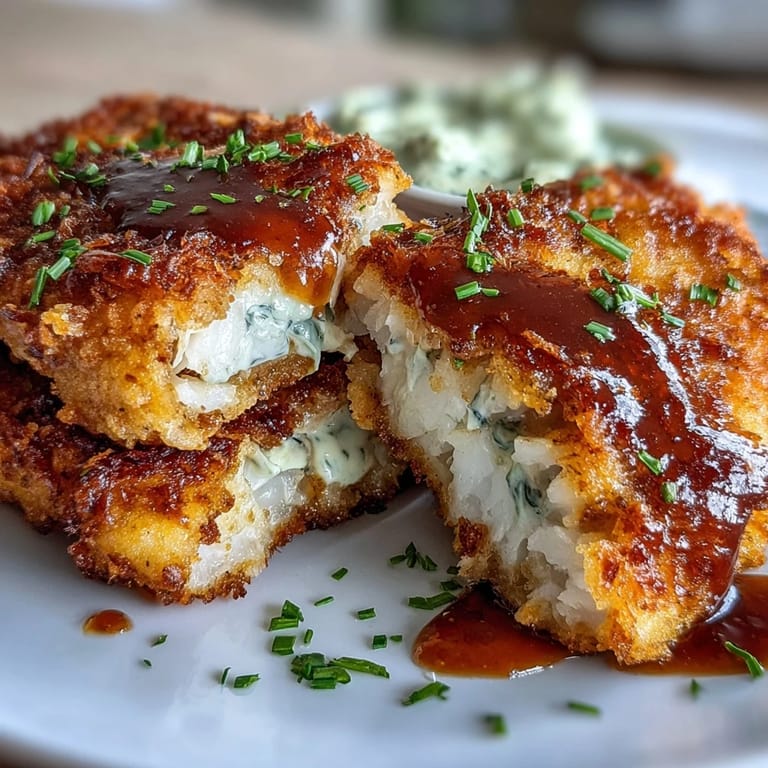
A lot of people overlook the sauce, but honestly, the remoulade is what elevates this from good fried fish to something memorable. That combination of horseradish bite, mustard tang, and pickle relish sweetness creates a flavor profile that makes sense with fried catfish in a way that plain tartar sauce never could. The smoked paprika ties it back to the fish itself, creating a moment where everything on the plate feels connected and intentional.
What to Serve Alongside
I've learned that fried catfish wants company—not the kind that competes, but sides that let it shine while adding their own character. Creamy grits underneath catch those little bits of hot sauce and spiced coating; coleslaw provides cool, crunchy contrast; hush puppies (if you're going full Southern) turn the meal into an event. Whatever you choose should feel like it belongs on the same plate without fighting for attention.
- Crispy coleslaw with a vinegar dressing balances the richness of the fried fish perfectly.
- Creamy grits or mashed potatoes soak up the flavors and make the meal feel complete.
- A simple green salad adds freshness and cuts through the richness without overwhelming the fish.
 Save to Pinterest
 This is the kind of food that brings people together without pretension, that tastes like someone put care into it. Make it for people you want to feed well.
Recipe FAQ
- → What is the best way to get a crispy catfish coating?
Using a seasoned cornmeal mixture and frying the fillets in hot oil until golden brown ensures a crispy exterior. Double-dipping in buttermilk and cornmeal can enhance crunch.
- → How does the remoulade sauce complement the catfish?
The creamy remoulade combines mustard, horseradish, and smoked paprika, adding tangy and smoky notes that balance the rich fried fish.
- → Can I substitute the catfish for another fish?
Yes, tilapia or cod can be used as alternatives and will work well with the seasoning and frying method.
- → How long should the catfish marinate?
Marinating in a buttermilk and hot sauce mixture for at least 15 minutes helps tenderize the fish and infuse subtle heat.
- → What oil is recommended for frying?
Vegetable oil with a high smoke point is ideal for frying to achieve a crisp texture without burning.