 Save to Pinterest
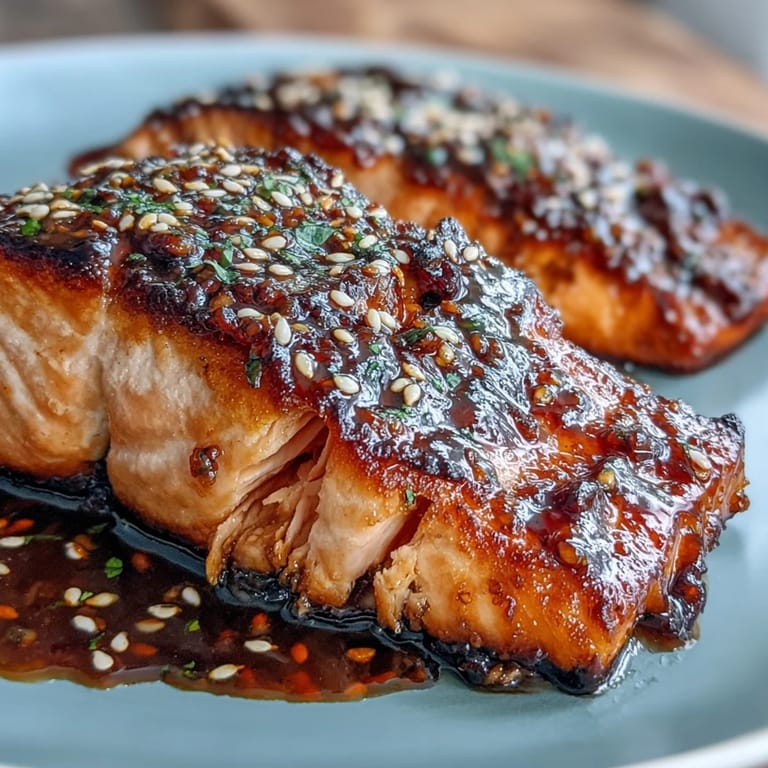
 There's something about watching salmon transform under the broiler's heat that never gets old. The first time I made teriyaki glazed salmon, I was trying to impress someone who claimed they didn't like fish much, and the kitchen filled with this incredible aroma of caramelizing honey and ginger that had them hovering near the oven before it was even done. What started as a weeknight experiment became one of those dishes I return to whenever I want dinner to feel a little special without the fuss. The glossy glaze catches the light like it came straight from a sushi restaurant, but honestly, it's embarrassingly simple to pull off at home.
I learned the real magic of this recipe on a rainy Tuesday when my partner's parents dropped by unexpectedly and I had 20 minutes to make dinner. The teriyaki glaze came together while the oven preheated, and by the time they sat down, they were convinced I'd been cooking all afternoon. That moment when someone's eyes light up at their first bite because they weren't expecting homemade to taste this polished—that's what keeps me making this.
Ingredients
- Salmon fillets (4 fillets, about 170 g each): Look for pieces that feel firm and have a slight sheen; skin-on keeps the flesh more forgiving during cooking, though skinless works just fine if that's your preference.
- Soy sauce (60 ml / 1/4 cup): Low-sodium versions let the other flavors shine through without oversalting the glaze, though regular soy sauce works if that's what you have.
- Mirin (60 ml / 1/4 cup): This sweet rice wine is what gives teriyaki its signature glossy finish; don't skip it or substitute with regular sugar, as the depth matters.
- Honey or brown sugar (2 tbsp): Adds warmth and helps the glaze caramelize slightly under the broiler's heat.
- Rice vinegar (1 tbsp): Cuts through the sweetness with a gentle acidity that keeps everything balanced.
- Fresh ginger (2 tsp grated): Grate it fresh right before cooking—the volatile oils make such a difference in how alive the glaze tastes.
- Garlic cloves (2, minced): Mince small so the pieces distribute evenly through the glaze rather than sitting in chunks.
- Sesame oil (1 tsp): A little goes a long way here; toasted sesame oil has deeper flavor than the neutral kind.
- Cornstarch (1 tbsp): This is the secret to getting that glossy, clingy glaze rather than a thin sauce that slides right off.
- Cold water (2 tbsp): Makes the cornstarch slurry that thickens everything beautifully.
- Toasted sesame seeds (2 tsp) and spring onions (2, sliced): These aren't just garnish—they add texture and brightness that make you realize why the dish works.
Tired of Takeout? 🥡
Get 10 meals you can make faster than delivery arrives. Seriously.
One email. No spam. Unsubscribe anytime.
Instructions
- Get your oven ready and line the tray:
- Preheat to 200°C (400°F) and line a baking tray with parchment paper or foil so cleanup is minimal and nothing sticks. This step takes two minutes but saves you from scrubbing later.
- Build the glaze base:
- Combine soy sauce, mirin, honey, rice vinegar, ginger, garlic, and sesame oil in a small saucepan and bring to a simmer over medium heat. You'll smell the ginger and garlic come alive in about a minute, and that's when you know it's working.
- Thicken and transform:
- Mix cornstarch and cold water in a small bowl until smooth, then stir this slurry into the simmering glaze and keep stirring for 2–3 minutes. Watch it go from thin and watery to glossy and clingy—this is the moment the magic happens, and it's worth standing there to see it.
- Prepare the salmon:
- Pat your salmon fillets completely dry (this helps them cook evenly and brown slightly), then place them skin-side down on the prepared tray. Brush each fillet generously with teriyaki glaze, leaving a little extra in the saucepan to drizzle over at the end.
- Bake until just cooked through:
- Slide the tray into the oven for 10–12 minutes, checking around the 10-minute mark by gently flaking the thickest part with a fork—it should break apart easily without any translucent centers. If you want that restaurant-style caramelized top, broil for 1–2 minutes at the very end, watching carefully so it doesn't go from burnished to burnt.
- Finish with garnish and serve:
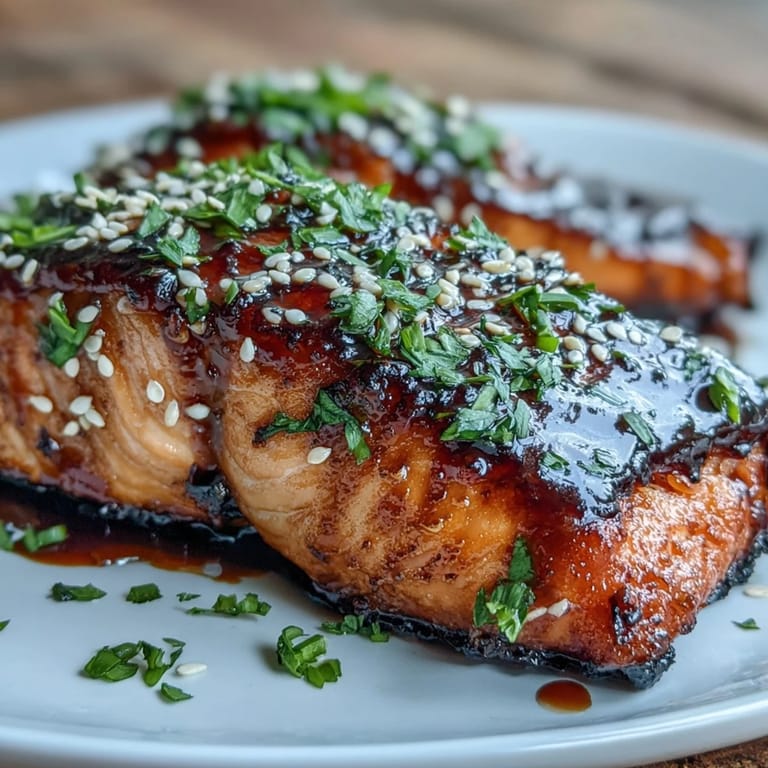
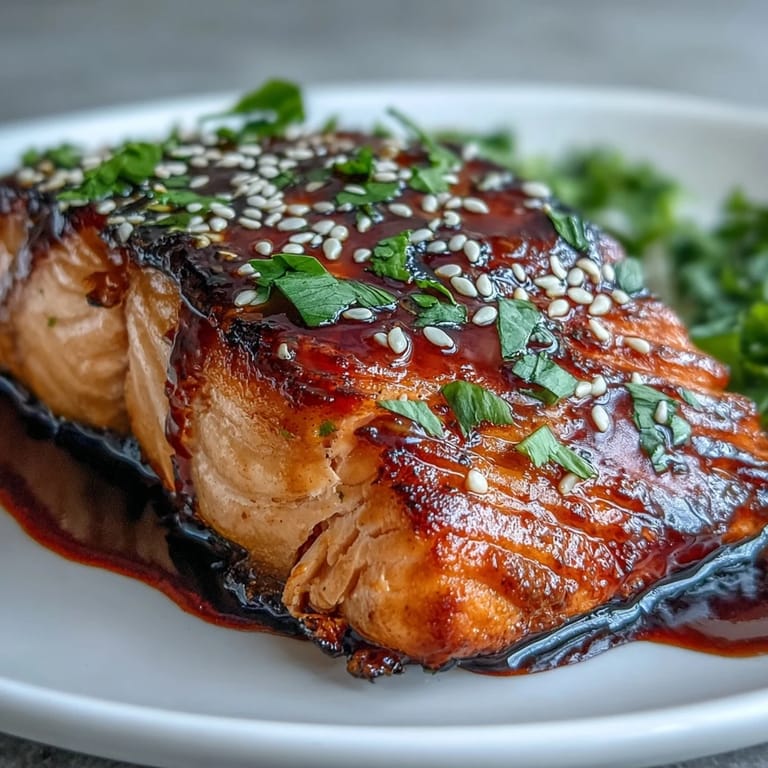
- Transfer each fillet to a plate, drizzle with that reserved teriyaki glaze, then scatter the toasted sesame seeds and sliced spring onions over the top. The warmth of the salmon will slightly wilt the green onions, releasing their raw onion bite that contrasts beautifully with the sweet-savory glaze.
 Save to Pinterest
 The first time I made this for someone who actually grew up eating proper Japanese food, I was nervous about how it would compare to what they were used to. But watching them go quiet for a moment after that first bite, then ask for the recipe—that's when I realized this dish isn't about being authentic so much as it is about being genuinely delicious in its own right.
What to Serve Alongside
Steamed white rice soaks up the extra glaze beautifully, and honestly, a bowl of plain jasmine rice is all you really need to make a complete meal. Sautéed bok choy or gai lan brings a slight bitterness that balances the sweet-savory glaze, while stir-fried vegetables—snap peas, carrots, broccoli—add color and crunch without competing for attention.
Making It Your Own
This recipe is forgiving enough to adapt without losing its soul. A pinch of red chili flakes stirred into the glaze adds heat that sneaks up on you, while a splash of lime juice instead of rice vinegar gives it a different kind of brightness if you want to experiment.
Common Questions and Tweaks
For gluten-free versions, tamari swaps in seamlessly for soy sauce and tastes almost identical. If you have a soy or sesame allergy, coconut aminos works as a substitute for soy sauce, and you can skip the sesame oil and seeds entirely—the ginger and garlic carry enough flavor on their own.
- Leftover teriyaki glaze keeps in the fridge for up to a week and works beautifully on roasted chicken or tofu.
- If your salmon fillets are thicker than 2 cm, add a few minutes to the baking time and check the thickest part for doneness.
- Cold leftover salmon is surprisingly good the next day tucked into rice bowls or eaten straight from the fridge, though it's best eaten fresh.
 Save to Pinterest
 This salmon has become my go-to dinner when I want to feel capable in the kitchen without spending hours there. It's the kind of meal that makes you look forward to cooking again tomorrow.
Recipe FAQ
- → How do I make a glossy teriyaki glaze?
Simmer soy sauce, mirin, honey, rice vinegar, ginger, garlic, and sesame oil together. Add a cornstarch slurry and cook until thick and glossy.
- → Can I use fresh or frozen salmon fillets?
Fresh fillets are preferred for optimal texture, but frozen fillets can work if thawed completely before cooking.
- → What is the best way to bake salmon evenly?
Place salmon skin-side down on a lined baking tray and bake at 200°C (400°F) until it flakes easily with a fork, about 10–12 minutes.
- → How can I add a spicy twist to the glaze?
Incorporate a pinch of chili flakes into the glaze while simmering to add subtle heat without overpowering the sweetness.
- → What are suitable side dishes to complement this main?
Steamed rice, sautéed greens, or stir-fried vegetables pair well to balance the savory and sweet flavors.