 Save to Pinterest
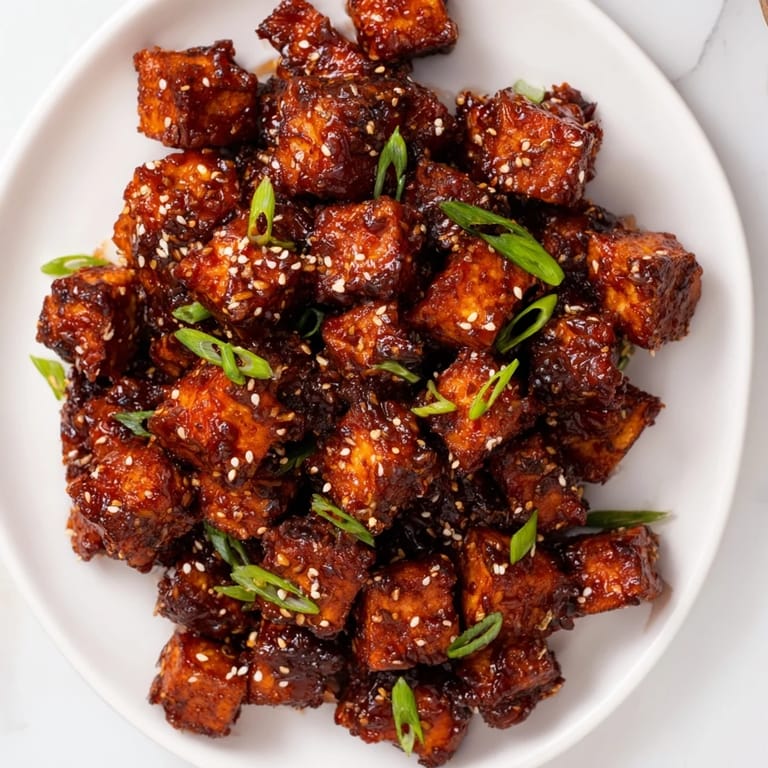
 I discovered honey gochujang tofu on a random Tuesday while standing in my kitchen wondering what to do with a block of tofu and a jar of gochujang that had been sitting in my fridge for weeks. The combination seemed unlikely at first, but something about the idea of sweet honey balancing the chili paste's heat made me curious. Twenty minutes later, I was standing over the stove watching these golden cubes transform into something glossy and irresistible, and I haven't looked back since.
My friend Sarah came over hungry and skeptical about tofu, which seemed like a perfect moment to prove her wrong. I served it over rice with extra green onions, and she ate almost the entire batch before asking what was in it. When I told her the main components, she was genuinely shocked that something so simple could taste that good, and now she makes it every other week for her lunch rotation.
Ingredients
- Firm tofu, pressed and cubed: Pressing is the secret that makes this work; wet tofu won't crisp up, so give it those full ten minutes and don't rush it.
- Cornstarch: This is your crispy coating champion, creating a texture that shatters slightly when you bite into it.
- Salt: A small amount in the coating makes all the difference before the sauce even touches the pan.
- Neutral oil: Canola or sunflower works best; save your fancy olive oil for something else.
- Gochujang: This Korean chili paste brings depth and a gentle heat that honey naturally softens but doesn't eliminate.
- Honey: The sweetness isn't overwhelming; it just rounds out the spice and helps the sauce cling to the tofu.
- Soy sauce: A small amount adds salty umami without making everything taste like salt.
- Rice vinegar: This gives the sauce brightness and prevents it from feeling heavy.
- Sesame oil: Just a tablespoon makes the whole thing taste intentional and slightly nutty.
- Garlic and ginger: Fresh versions are essential here; the minced garlic dissolves into the sauce and the ginger adds a gentle warmth.
- Toasted sesame seeds: Sprinkle these on right before serving so they stay crunchy and add a little textural surprise.
- Green onions: The brightness here cuts through the richness and adds a sharp, fresh note.
Tired of Takeout? 🥡
Get 10 meals you can make faster than delivery arrives. Seriously.
One email. No spam. Unsubscribe anytime.
Instructions
- Press and cube your tofu:
- Wrap your block in paper towels or a clean kitchen cloth and set something heavy on top for at least ten minutes. You're removing moisture so it can crisp up later, not trying to destroy it, so be patient and let gravity do the work.
- Coat with cornstarch and salt:
- Toss the cubes gently in a bowl so each piece gets a light, even coating; this thin layer is what creates that satisfying crispness.
- Get your oil hot and crisp the tofu:
- Heat the skillet until it's hot enough that a cube sizzles immediately when it hits the pan. Let each side develop a golden crust before moving them around; patience here pays off with actual crunch.
- Make the sauce while tofu rests:
- Whisk everything together in a small bowl; the texture should be smooth and pourable, with no gochujang lumps hiding anywhere.
- Simmer the sauce until it thickens slightly:
- This takes only a few minutes and helps the sauce coat rather than just pool at the bottom of the pan. You'll notice it becoming glossier and slightly reduced.
- Reunite tofu with sauce:
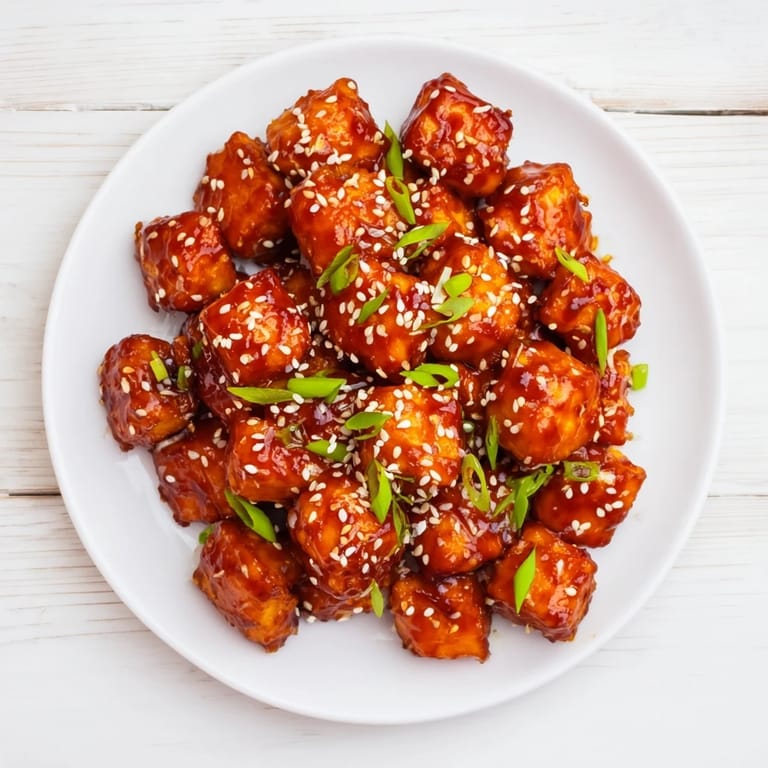
- Add the tofu back in and toss gently for a couple of minutes until everything is evenly coated and sticky. The heat will keep the tofu warm while the sauce clings to every surface.
- Finish and serve:
- Transfer to a plate while everything is still hot, then top with sesame seeds and green onions right before eating so the seeds stay crispy.
 Save to Pinterest
 This dish became a staple in my house after I realized how easy it was to change based on what I had around. One night I made it with half the gochujang and double the honey for someone who doesn't like spice, and another time I threw in some sautéed mushrooms because they were sitting there looking at me. It's one of those recipes that feels flexible without losing what makes it good.
Flavor Balance and Adjustments
The magic of this dish lives in the balance between sweet, salty, spicy, and tangy. If you find yourself drawn to more heat, add extra gochujang a little at a time rather than all at once, tasting as you go. If the sauce tastes too strong or sharp, a teaspoon of honey usually smooths everything out, and if it's not sticky enough, let it reduce for another minute or two in the pan.
Serving Ideas Beyond Rice
Rice is the obvious choice, but I've learned this tofu is surprisingly versatile. Lettuce wraps become substantial and fun, grain bowls with quinoa or farro take on a completely different energy, and serving it cold the next day as a salad topping turned out to be an accidental discovery I now do on purpose. Some people pile it on toast with avocado, which sounds weird until you try it.
Make It Your Own
Once you've made this a few times, you'll start seeing the possibilities and adding things that feel right to you. Maple syrup works beautifully instead of honey if you want a deeper sweetness, and a splash of sriracha adds complexity without completely changing the dish. The foundation is solid enough that you can play with it without anything falling apart.
- Toast your sesame seeds in a dry pan for thirty seconds before using them; this wakes up the flavor and makes them crunchier.
- If you're making this ahead, store the tofu and sauce separately and combine them just before eating so the tofu doesn't get soggy overnight.
- A squeeze of fresh lemon juice at the very end brightens everything without requiring you to change a single other ingredient.
 Save to Pinterest
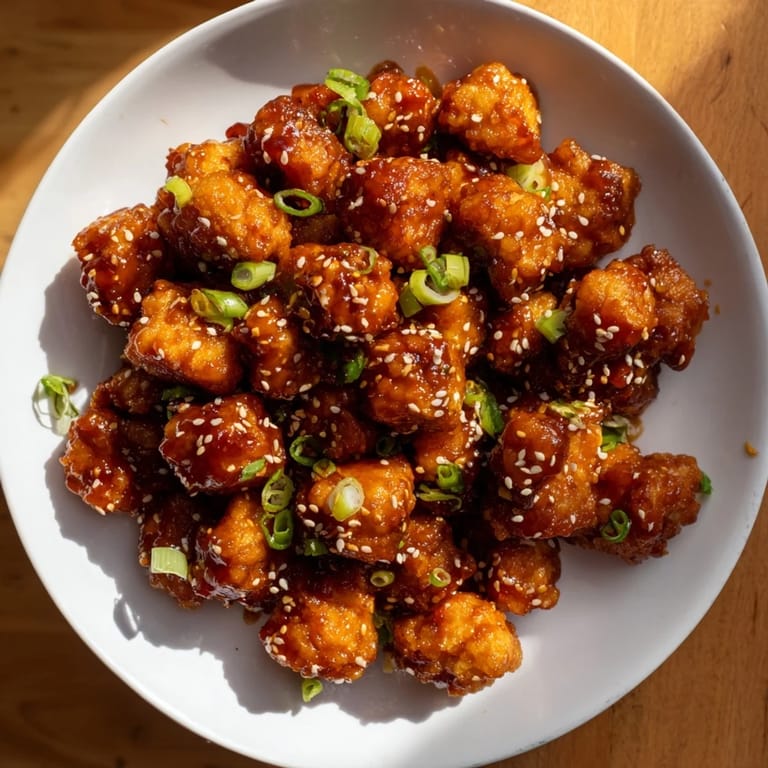
 This recipe proved to me that simple ingredients in the right proportions create something genuinely special, and that cooking doesn't have to be complicated to be worth making again and again. I hope it becomes as reliable and beloved in your kitchen as it's become in mine.
Recipe FAQ
- → How do I get the tofu crispy?
Press the tofu to remove moisture, coat lightly with cornstarch, and cook it in hot oil over medium-high heat until all sides turn golden and crisp.
- → Can I make this dish vegan?
Yes, replace honey with maple syrup or agave nectar to keep the glaze plant-based without sacrificing sweetness.
- → What sides go well with this dish?
Steamed rice, quinoa, or fresh lettuce wraps complement the sticky and spicy tofu beautifully, adding balance and texture.
- → How spicy is the gochujang sauce?
Gochujang has a moderate heat level that can be adjusted by varying the amount used, making the dish mildly spicy to more intense depending on preference.
- → Are there any common allergens in this dish?
This dish contains soy from tofu and soy sauce, as well as sesame from oil and seeds. Gochujang may contain wheat, so check labels if sensitive.
- → Can I add vegetables to this dish?
Absolutely! Steamed broccoli, sautéed peppers, or other veggies can be added for extra flavor, color, and nutrition.