 Save to Pinterest
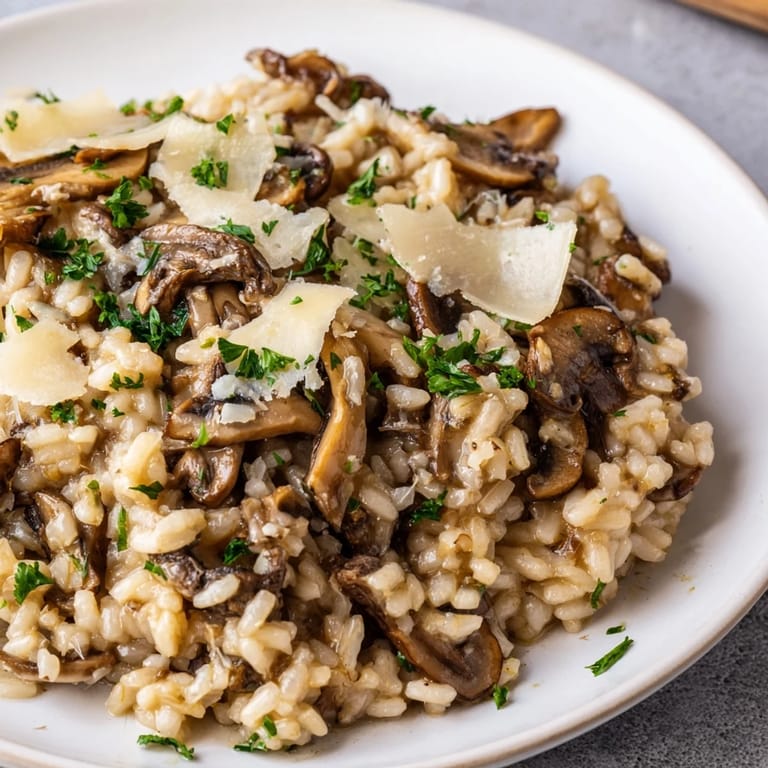
 There's something almost meditative about standing at the stove, wooden spoon in hand, waiting for rice to drink in warm broth one ladle at a time. I discovered risotto during a rainy Tuesday in autumn when a friend brought over a bag of cremini mushrooms from the farmer's market, and I had nothing but rice and butter in the pantry. What started as improvisation became the kind of dish I now crave on quiet evenings, when the kitchen fills with steam and the smell of garlic and mushrooms feels like the only comfort I need.
I made this for my sister's birthday dinner once, and she sat at the counter watching me stir for what felt like forever, asking why I wasn't just dumping everything in at once. By the third spoonful, she understood completely—there's no shortcut to risotto, and honestly, that's the whole point. The ritual of it, the attention it demands, somehow makes it taste better than it should.
Ingredients
- Arborio rice, 1 ½ cups: This short-grain Italian rice has the starch content that creates creaminess—don't substitute it with long-grain or you'll lose the whole magic.
- Cremini or button mushrooms, 12 oz, sliced: Sauté them first until golden and their liquid evaporates, which concentrates their flavor and keeps your risotto from getting watery.
- Olive oil, 1 tbsp and unsalted butter, 1 tbsp: Together they create a base with enough richness to sauté mushrooms without burning.
- Yellow onion, 1 medium, finely chopped: Mince it small so it melts into the rice rather than staying chunky.
- Garlic, 2 cloves, minced: Add it after the onion softens—garlic burns easily and turns bitter if it hits hot oil first.
- Vegetable broth, 4 cups, kept warm: Warm broth is non-negotiable; cold broth shocks the rice and ruins the texture. Keep it simmering in another pot nearby.
- Dry white wine, ½ cup: Use something you'd actually drink—it adds acidity and depth that vinegar can't replicate.
- Parmesan cheese, ½ cup grated, plus extra: The final stir-in of butter and cheese is what makes risotto creamy, so don't skip either.
- Unsalted butter, 2 tbsp final addition: This final knob of cold butter, called mantecatura, makes the risotto glossy and luxurious.
- Salt and black pepper: Taste as you go and adjust at the very end.
- Fresh parsley, 2 tbsp chopped, optional: A light garnish that adds color and a small fresh note.
Tired of Takeout? 🥡
Get 10 meals you can make faster than delivery arrives. Seriously.
One email. No spam. Unsubscribe anytime.
Instructions
- Toast those mushrooms first:
- Heat olive oil and butter in a large skillet over medium heat, then add sliced mushrooms. Don't crowd the pan—let them sit and caramelize for 6 to 8 minutes until they're golden and any moisture has cooked off. This step is what saves you from a watery risotto.
- Build your aromatics:
- In the same pan, add chopped onion and cook until it turns translucent and soft, about 3 minutes. Add minced garlic and stir for just 1 minute—you want it fragrant, not browned.
- Toast the rice:
- Stir in the Arborio rice and keep stirring for about 2 minutes until the outer edges of each grain become translucent and glassy. You'll feel the rice moving more freely in the pan when it's ready.
- Deglaze with wine:
- Pour in the white wine and stir constantly, watching the liquid absorb into the rice. This takes a couple of minutes and smells absolutely wonderful—that's the acid hitting the hot rice.
- Start the patient stirring:
- Add warm broth one ladle at a time, stirring frequently. Wait until most of each addition is absorbed before ladling more in—this usually takes 18 to 20 minutes total. The constant movement and heat coax the starch out of the rice, creating that signature creaminess.
- Finish with flavor:
- Stir in the reserved mushrooms, the final 2 tablespoons of cold butter, and Parmesan cheese. Season with salt and pepper, cook for 2 more minutes to meld everything together, then take it off heat immediately so nothing overcooks.
- Serve right away:
- Risotto waits for no one and only gets thicker as it cools. Divide into bowls, add extra Parmesan and parsley if you like, and eat while it's still steaming.
 Save to Pinterest
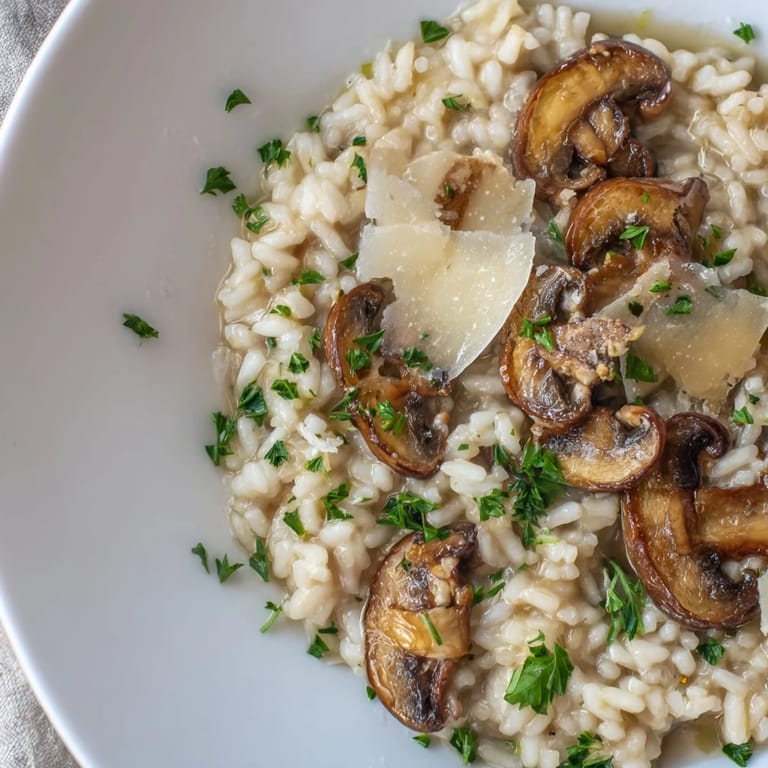
 I once made this risotto during a snowstorm when friends got stranded at my place, and somehow the simple act of all of us standing in the kitchen, watching the pot, sipping wine, and talking about everything from childhood to dreams made that meal feel like the most important dinner I'd ever cooked. It wasn't fancy or complicated, but it was real.
Why Risotto Tastes Like Italian Home Cooking
Risotto isn't just a dish—it's a technique that turns humble ingredients into something luxurious through time and attention. The Italians understood that the best food comes from repetition and presence, not from shortcuts. Every time you stand at that stove and stir, you're doing exactly what cooks have done for centuries, and that matters.
Mushroom Variations That Change Everything
While cremini mushrooms are reliable and delicious, the world of mushroom risotto expands wildly if you explore. I've made it with porcini for deeper earthiness, with a mix of oyster and shiitake for complexity, even with dried porcini rehydrated in warm water (and that soaking liquid mixed into the broth for extra flavor). Each type brings its own personality, and experimenting is half the fun of cooking something you love repeatedly.
The Simple Science That Makes It Work
What makes risotto creamy isn't dairy—it's rice starch released through heat and constant stirring. As the rice cooks and the starch leaches into the cooking liquid, it creates a natural emulsion that coats the grains and makes everything feel luxurious. This is why Arborio or Carnaroli rice matters; their high starch content is what makes the magic possible.
- Keep your broth at a low simmer in a separate pot so every addition goes in hot.
- Resist the urge to add all the liquid at once—the gradual process is what creates texture.
- Finish with cold butter and cheese off heat, which keeps them from breaking and ensures maximum silkiness.
 Save to Pinterest
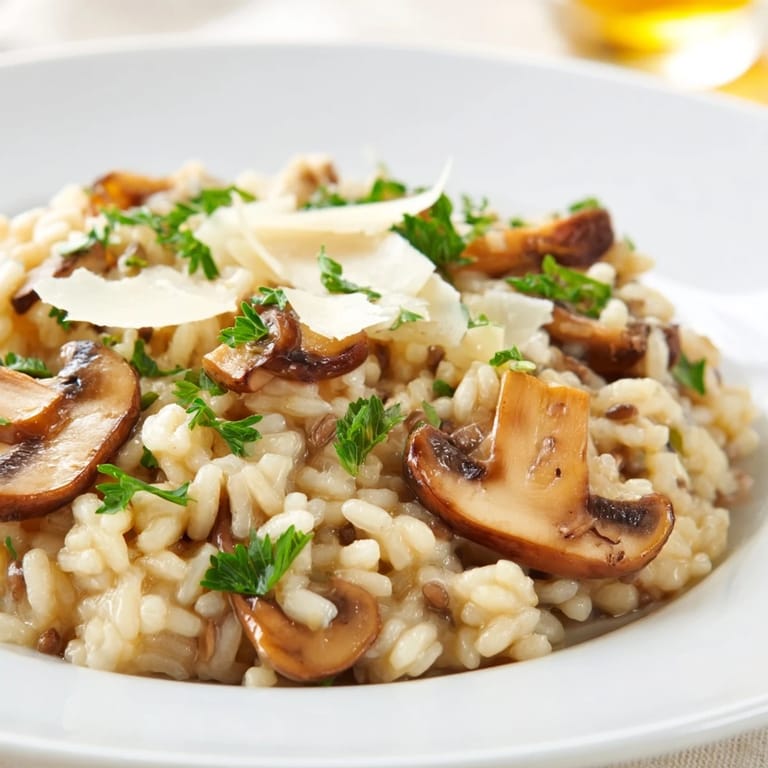
 Risotto is worth making, worth the attention it asks for, and worth eating slowly. Every bowl is a small moment of peace in a chaotic world, and that's not nothing.
Recipe FAQ
- → What type of rice is best for this dish?
Arborio rice is ideal due to its high starch content, which creates the creamy texture characteristic of this dish.
- → Can I use different mushrooms?
Yes, a mix of wild mushrooms enhances depth and flavor, but cremini or button mushrooms work well too.
- → How do I know when the risotto is done?
The rice should be al dente—tender yet slightly firm in the center—with a creamy consistency.
- → Is white wine necessary in this preparation?
White wine adds acidity and complexity but can be omitted or substituted with additional broth if preferred.
- → How can I make the dish vegan-friendly?
Replace butter with plant-based margarine and omit Parmesan or use a vegan cheese alternative.