 Save to Pinterest
 The first time I made coconut jasmine rice, I wasn't trying to impress anyone—I was just desperate for something that tasted like the meal my neighbor had brought over weeks earlier. She'd mentioned it casually while dropping off a container, and I'd been thinking about it ever since: that subtle sweetness, that whisper of coconut threading through each grain. Turns out, it's embarrassingly simple to make at home, which somehow made me feel silly for not trying sooner.
I made this for a potluck once, hesitant because it seemed too simple to bring alongside everyone else's elaborate dishes. But something happened: people kept coming back for seconds and thirds, and by the end of the night, my serving dish was completely empty while the fancy casseroles still had leftovers. That's when I realized the best side dishes aren't about complexity—they're about making everything around them taste better.
Ingredients
- Jasmine rice (1 cup): The whole magic here—jasmine rice has a natural floral note that coconut milk amplifies beautifully, so don't skip it for regular white rice unless you absolutely have to.
- Full-fat, unsweetened coconut milk (1 cup): Full-fat is non-negotiable; light coconut milk will give you a thinner, less creamy result that tastes more like you were cutting corners.
- Water (1 cup): The coconut milk alone would be too rich and slow the cooking, so water balances it out without diluting the flavor.
- Salt (½ teaspoon): This awakens the coconut and keeps everything from tasting one-dimensional and sweet.
- Sugar (1 teaspoon, optional): Only if you're pairing this with something very spicy; otherwise skip it and let the coconut milk's natural sweetness speak.
Tired of Takeout? 🥡
Get 10 meals you can make faster than delivery arrives. Seriously.
One email. No spam. Unsubscribe anytime.
Instructions
- Rinse your rice like you mean it:
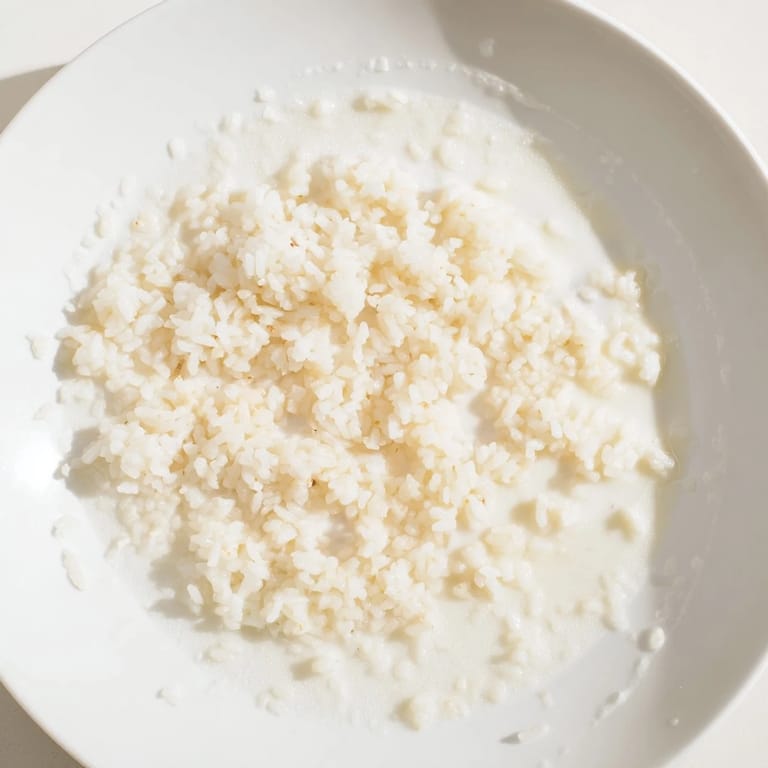
- Run cold water over the rice in a fine-mesh strainer, stirring gently with your fingers until the water that drains off is nearly clear, not milky white. This removes excess starch so your rice stays separate and fluffy instead of clumping into a paste.
- Combine everything in one pot:
- Pour the rinsed rice, coconut milk, water, salt, and sugar (if using) into a medium saucepan and give it a good stir so the rice grains separate and get coated evenly.
- Bring it to a gentle boil:
- Set the heat to medium and let the liquid come to a boil—you'll see it start to bubble around the edges and steam will rise up.
- Lower the heat and cover tightly:
- Once it's boiling, turn the heat down to low and immediately cover the pot with a tight-fitting lid (if you don't have one that seals well, you can lay a piece of foil under the lid). This traps the steam so the rice cooks evenly.
- Simmer undisturbed for 15 minutes:
- Leave it completely alone—no peeking, no stirring—and just let the liquid absorb into the rice grains over time.
- Rest it covered for 10 more minutes:
- Turn off the heat and leave the pot covered and sitting on the burner; this final rest lets any remaining moisture finish absorbing and the rice finishes cooking gently in the residual heat.
- Fluff and serve:
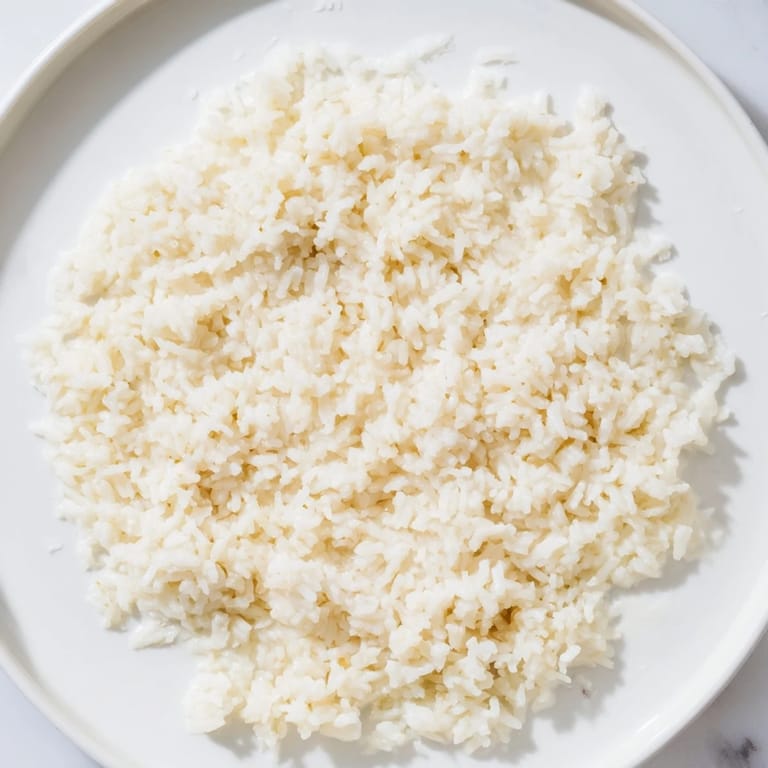
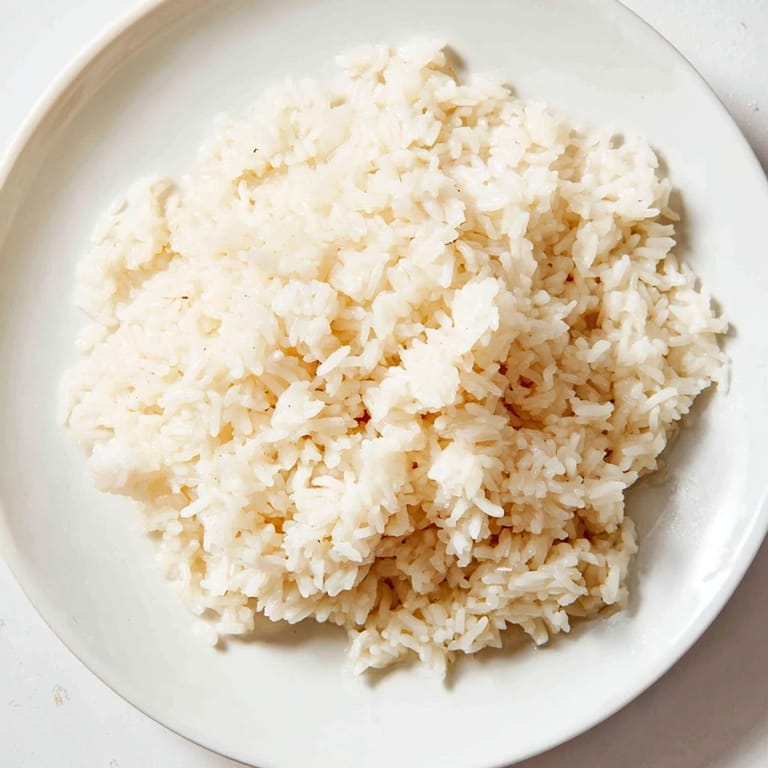
- Remove the lid (watch out for the steam!), and use a fork to gently separate the grains, breaking up any clumps so each grain stands alone and shines.
 Save to Pinterest
 There's a moment near the end of cooking when you start to smell it—that coconut aroma mixed with jasmine, warm and almost perfumy—and you know without even looking that it's going to turn out right. That smell is when the magic actually happens, when the rice has absorbed enough of the liquid that the flavors are no longer separate but woven together.
Flavor Variations to Try
Once you've made this the traditional way once or twice, you start seeing possibilities everywhere. I learned that adding a small piece of ginger while it cooks brings out a subtle warmth that pairs beautifully with spicy curries, and pandan leaves add an almost vanilla-like note that's completely different but equally delicious—just remember to fish them out before serving. Some mornings I've added a pinch of turmeric for a faint golden color and earthy depth, and other times I've thrown in a few cardamom pods for something warm and spiced.
What to Serve It With
This rice is endlessly flexible because it's subtly sweet and aromatic without demanding attention. Thai curries are the obvious choice, but it also shines alongside grilled meats, roasted vegetables, or even simple stir-fries where it acts as a cooling, slightly sweet counterpoint to heat and umami. I've even served it at room temperature the next day as part of a grain bowl situation, mixed with leftover vegetables and a drizzle of fish sauce and lime juice.
Making It Your Own
The beauty of this recipe is how adaptable it is once you understand how it works. If you want richer flavor, replace some or all of the water with extra coconut milk (though your cooking time might stretch a few minutes as the liquid becomes denser). If you're cooking for someone who can't have coconut, you can make it with all water and a tablespoon of butter plus a touch of vanilla, and it becomes something entirely different but equally good. The formula that matters is the rice-to-liquid ratio and the low, covered simmer—everything else is optional.
- Toast the raw rice in a dry pan for a minute or two before cooking if you want a nuttier, more toasted flavor.
- Stir in a handful of fresh cilantro or a squeeze of lime juice right after fluffing if you want brightness and lift.
- Make extra because cold coconut jasmine rice reheats beautifully and gets even better the next day.
 Save to Pinterest
 This recipe taught me that the simplest dishes are often the ones people remember, and that coconut jasmine rice belongs on your regular rotation not as a special-occasion side dish but as something you make whenever you want your meal to feel a little bit nicer without any extra effort.
Recipe FAQ
- → What type of rice is ideal for this dish?
Jasmine rice is best due to its natural fragrance and fluffy texture when cooked with coconut milk.
- → Can I use light coconut milk instead of full-fat?
Full-fat coconut milk gives a richer, creamier texture, but light coconut milk can be used for a lighter result.
- → How can I enhance the aroma of the dish?
Adding pandan leaves or a small piece of ginger while cooking infuses pleasant, subtle aromas; be sure to remove before serving.
- → Is it necessary to rinse the rice beforehand?
Rinsing removes excess starch, preventing clumping and ensuring the grains stay separate and fluffy.
- → What dishes pair well with this coconut jasmine rice?
It complements Asian-inspired dishes like Thai curries, stir-fried vegetables, or grilled meats perfectly.