 Save to Pinterest
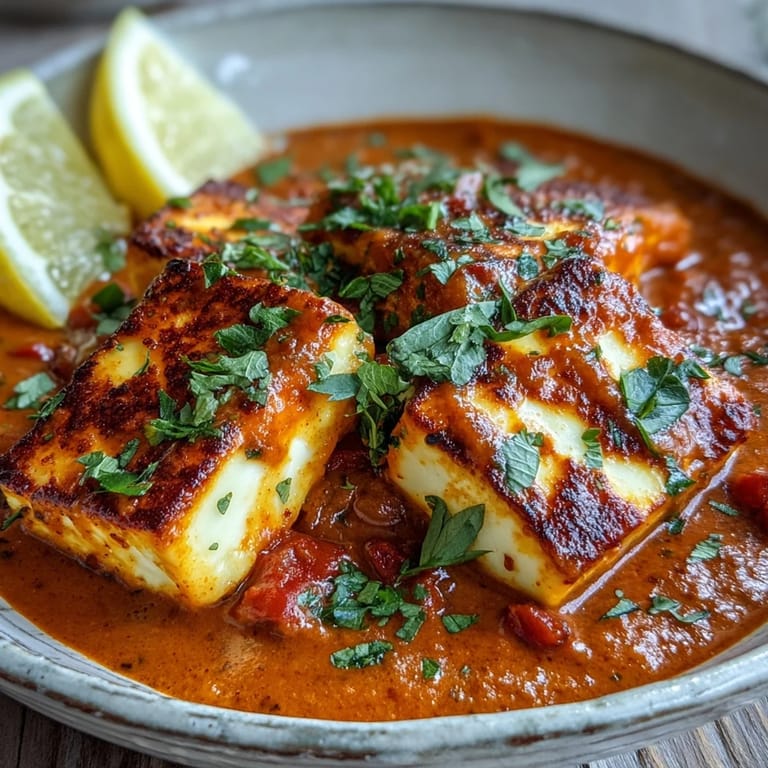
 The first halloumi I ever crisped up in a hot pan squeaked so loudly I thought I'd done something wrong. My flatmate laughed from the other room and said that's just what it does. Years later, I dropped those same golden cubes into a tomato curry I'd been simmering, and the squeak was gone, replaced by soft edges soaking up coconut and spice. That night I learned halloumi doesn't always have to star as the crispy hero, it can melt quietly into something warm and comforting too.
I made this for my sister when she came over with her two picky eaters, convinced they'd turn their noses up at anything called curry. They didn't say a word, just kept reaching for more rice and soaking up every bit of sauce. She texted me the next morning asking for the recipe, and I knew I'd found something that works across ages and moods. It's become my go to when I want something cozy without the fuss.
Ingredients
- Halloumi cheese (400 g, cut into 2 cm cubes): The star here, chosen for its firm texture that softens but doesn't dissolve, giving you that paneer like bite without hunting down specialty stores.
- Onion (1 medium, finely chopped): The sweet base that caramelizes just enough to add depth without overpowering the tomato.
- Garlic (2 cloves, minced): Freshly minced is worth it, the sharpness mellows beautifully as it cooks into the sauce.
- Fresh ginger (2 cm piece, grated): This brings the warmth and a slight zing that makes the curry feel alive, don't skip it.
- Red bell pepper (1, diced): Adds a pop of color and a hint of sweetness that balances the spices.
- Canned chopped tomatoes (400 g): The backbone of the sauce, providing acidity and body that coconut milk will smooth out.
- Garam masala (1 tbsp): The warm spice blend that gives this curry its soul, toasting it briefly in the pan wakes up all its flavors.
- Ground cumin (1 tsp): Earthy and essential, it anchors the spice mix and adds a nutty undertone.
- Ground coriander (1 tsp): Bright and citrusy, it lifts the heavier spices and keeps things balanced.
- Turmeric (½ tsp): Just enough for color and a subtle earthiness without turning bitter.
- Chili powder (½ tsp, adjust to taste): Gentle heat that you can dial up or down depending on who's at the table.
- Paprika (½ tsp): Adds a mild sweetness and a deeper red hue to the sauce.
- Coconut milk (200 ml, full fat recommended): This is what makes the curry silky and rich, light versions work but you lose some of that luxurious mouthfeel.
- Tomato paste (2 tbsp): Concentrates the tomato flavor and thickens the sauce, stirred in with the spices it deepens everything.
- Vegetable oil (1 tbsp): For frying the halloumi and sautéing the aromatics, any neutral oil works.
- Fresh cilantro leaves (chopped): A handful scattered on top adds brightness and a fresh finish.
- Lemon wedges: A squeeze at the end cuts through the richness and wakes up every flavor.
- Salt and black pepper: Season to taste, halloumi is salty so go easy at first.
Tired of Takeout? 🥡
Get 10 meals you can make faster than delivery arrives. Seriously.
One email. No spam. Unsubscribe anytime.
Instructions
- Fry the Halloumi:
- Heat the oil in a large nonstick skillet over medium high heat and add the halloumi cubes. Fry for 2 to 3 minutes per side until golden and crisp, then remove and set aside on a plate.
- Soften the Onion:
- Reduce the heat to medium and add the chopped onion to the same pan. Sauté for 3 to 4 minutes until soft and translucent, scraping up any golden bits left by the cheese.
- Build the Aromatics:
- Stir in the garlic, ginger, and red bell pepper. Cook for another 2 to 3 minutes until fragrant and the pepper starts to soften.
- Toast the Spices:
- Add the tomato paste, garam masala, cumin, coriander, turmeric, chili powder, and paprika. Cook for 1 minute, stirring constantly, until the spices smell warm and aromatic.
- Simmer the Sauce:
- Pour in the canned tomatoes and coconut milk, stirring to combine, then season with salt and black pepper. Simmer for 8 to 10 minutes, stirring occasionally, until the sauce thickens and the flavors meld.
- Add the Halloumi Back:
- Return the fried halloumi to the pan and gently simmer for 5 minutes. Let the cheese absorb the curry flavors and soften at the edges.
- Finish and Serve:
- Taste and adjust seasoning if needed, then garnish with fresh cilantro and serve with lemon wedges. Spoon over steamed basmati rice or tear into warm naan.
 Save to Pinterest
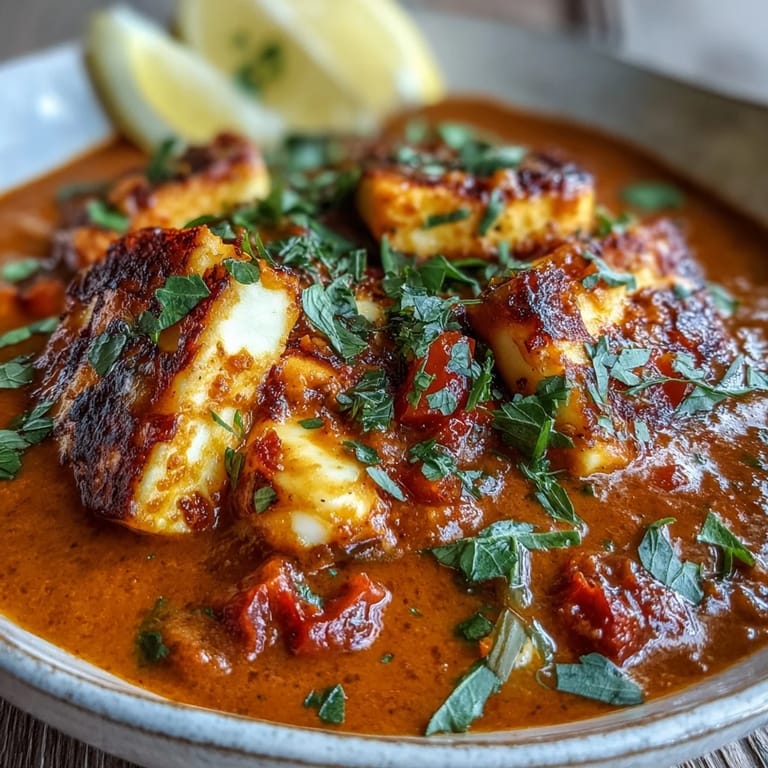
 One rainy evening I made this curry and ate it curled up on the couch with a bowl balanced on my knees. The steam rose up, carrying ginger and garam masala, and I realized I wasn't missing takeout at all. This dish had become my own version of comfort, something I could make without thinking, that tasted like home.
Serving Suggestions
I usually serve this with fluffy basmati rice, the grains soaking up every bit of sauce. Warm naan or roti works beautifully too, especially for scooping up the halloumi. A simple side of cucumber raita or a crisp green salad cuts through the richness and balances the plate. Sometimes I add a sprinkle of toasted cashews on top for crunch.
Variations and Swaps
If you can't find halloumi or want a more traditional flavor, paneer works just as well and soaks up the sauce even more. For extra heat, toss in a chopped green chili with the garlic and ginger. I've also added handfuls of spinach in the last few minutes of simmering for color and nutrition. Light coconut milk or even a splash of cream can replace full fat coconut milk if that's what you have.
Storage and Reheating
Leftovers keep in an airtight container in the fridge for up to three days, and honestly they taste even better the next day when the flavors have had time to deepen. Reheat gently on the stovetop over low heat, adding a splash of water or coconut milk if the sauce has thickened too much. I don't recommend freezing this because halloumi can turn grainy when thawed, but the sauce itself freezes well if you want to prep ahead.
- Always taste before serving reheated curry, you might need a pinch more salt or a squeeze of lemon.
- Garnish with fresh cilantro just before eating, it brightens everything up.
- Pair with something crisp or cooling to balance the richness.
 Save to Pinterest
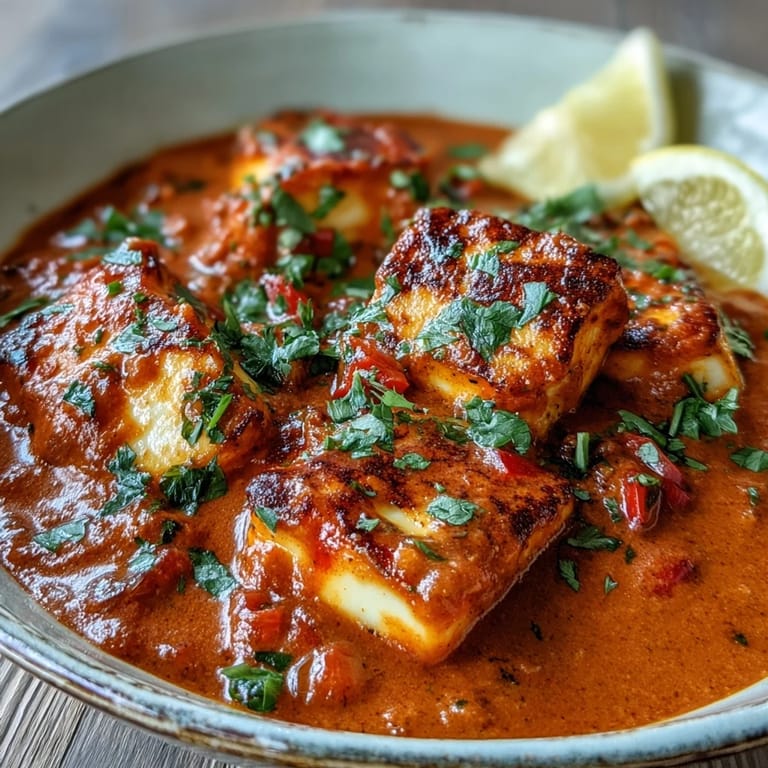
 This curry has a way of turning a regular Tuesday into something special without any extra effort. Make it once and it'll become part of your rotation, I promise.
Recipe FAQ
- → Can I substitute paneer for halloumi in this curry?
Yes, paneer makes an excellent substitute and provides a more traditional Indian flavor. Use the same quantity and frying method, though paneer may absorb slightly more sauce than halloumi.
- → How can I make this curry spicier?
Increase the chili powder to 1 teaspoon or add a chopped green chili with the aromatics in step 3. You can also sprinkle red pepper flakes when serving for adjustable heat.
- → What should I serve with halloumi curry?
Steamed basmati rice is ideal for soaking up the creamy sauce. Warm naan bread, roti, or even cauliflower rice for a low-carb option also pair wonderfully with this dish.
- → Can I use light coconut milk instead of full-fat?
Light coconut milk works but produces a thinner, less creamy sauce. For best results, use full-fat coconut milk or add an extra tablespoon of tomato paste to help thicken the lighter version.
- → How do I store and reheat leftover halloumi curry?
Store in an airtight container in the refrigerator for up to 3 days. Reheat gently on the stovetop over low heat, adding a splash of water or coconut milk if the sauce has thickened too much.
- → Why does my halloumi become rubbery after cooking?
Overcooking makes halloumi rubbery. Fry until just golden, then add it back to the sauce only for the final 5 minutes of simmering. This keeps the texture pleasantly firm yet tender.