 Save to Pinterest
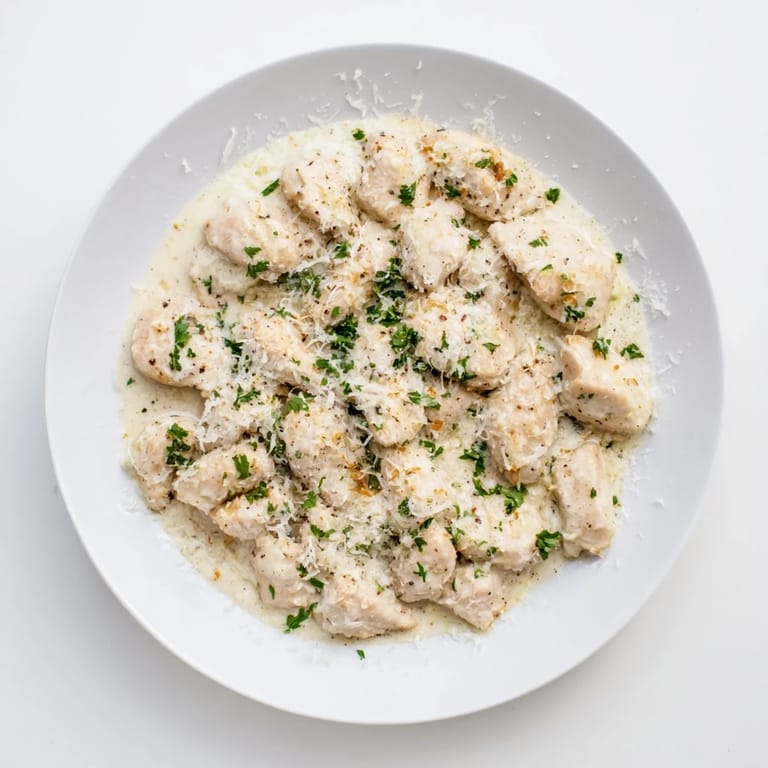
 The smell hit me before I even walked into the kitchen, garlic and butter doing that thing they do when they meet hot oil. My neighbor was making something she called chicken bites, and I watched her toss flour-dusted pieces into the pan like it was the most natural thing in the world. She let me taste a piece straight from the skillet, and the way that cream sauce clung to the tender chicken made me ask for the recipe on the spot. I've been making it ever since, usually on nights when I want something fast but impressive enough to make me feel like I actually cooked.
I made this for my brother once when he stopped by unannounced, and he stood at the stove eating piece after piece before I even plated it. He asked what restaurant I ordered from, and when I told him I just made it, he laughed and said I was lying. That's the kind of reaction this dish gets, the disbelief that something so rich and flavorful came from a regular Tuesday night skillet.
Ingredients
- Boneless, skinless chicken breasts or thighs (1.5 lbs): Thighs stay juicier, but breasts work great if you don't overcook them, and cutting them into bite-sized pieces means they cook fast and soak up all that sauce.
- Salt and black pepper (1/2 tsp each): These go on the chicken before the flour, giving every bite a solid base of flavor instead of relying only on the sauce.
- All-purpose flour (2 tbsp): Just enough to give the chicken a light coating that helps it brown and also thickens the sauce slightly when everything comes together.
- Olive oil (2 tbsp): This keeps the butter from burning when you sear the chicken at higher heat, and it adds a subtle fruity note that balances the richness.
- Unsalted butter (2 tbsp): Split between cooking the chicken and sautéing the garlic, it brings a silky, nutty depth that olive oil alone can't match.
- Garlic cloves (6 large, minced): The star of the sauce, and yes, six cloves is correct, because garlic mellows when it cooks and you want that punch.
- Chicken broth (1 cup): This deglazes the pan and picks up all those caramelized bits, adding layers of flavor you don't want to waste.
- Heavy cream (1 cup): It makes the sauce luscious and rich, clinging to the chicken in a way that milk or half-and-half just won't.
- Grated Parmesan cheese (1/2 cup): Adds a salty, umami boost and helps thicken the sauce as it melts in, so don't skip the real stuff if you can help it.
- Dried Italian herbs (1/2 tsp): A mix of basil, oregano, and thyme gives the sauce a warm, herby background without needing a bunch of fresh stuff.
- Crushed red pepper flakes (1/4 tsp, optional): Just a tiny kick that wakes up the garlic and cream without making it spicy, but leave it out if you prefer it mild.
- Fresh parsley (2 tbsp, chopped): A bright green finish that cuts through the richness and makes the whole dish look like you tried, even if you didn't.
Tired of Takeout? 🥡
Get 10 meals you can make faster than delivery arrives. Seriously.
One email. No spam. Unsubscribe anytime.
Instructions
- Coat the chicken:
- Season your chicken pieces with salt and pepper, then toss them in the flour until every piece has a light, even dusting. This step is fast, and it sets up that golden crust you want.
- Sear the chicken:
- Heat the olive oil and one tablespoon of butter in a large skillet over medium-high heat, then add the chicken in a single layer and let it sizzle undisturbed for four to five minutes per side until golden and cooked through. Pull the chicken out and set it aside, it'll come back later.
- Cook the garlic:
- Drop the heat to medium, add the remaining tablespoon of butter and the minced garlic, and stir it around for about a minute until it smells incredible but hasn't turned brown. Browned garlic gets bitter, so keep an eye on it.
- Deglaze with broth:
- Pour in the chicken broth and scrape up all those flavorful brown bits stuck to the pan, then let it simmer for two minutes to concentrate. This is where the sauce starts building its backbone.
- Add the cream and cheese:
- Stir in the heavy cream, Parmesan, Italian herbs, and red pepper flakes if using, then let it simmer for three to four minutes until the sauce thickens just enough to coat the back of a spoon. Don't rush this part, the sauce needs time to come together.
- Return the chicken:
- Slide the chicken back into the skillet and let it simmer in the sauce for two to three minutes, spooning the sauce over the pieces so everything gets coated and heated through. This is when the magic happens.
- Adjust and garnish:
- Taste the sauce and add more salt or pepper if it needs it, then sprinkle fresh parsley over the top and serve it hot. You're done, and it's going to be good.
 Save to Pinterest
 The first time I served this over mashed potatoes, my friend scraped her plate clean and then soaked up the leftover sauce with a piece of bread she found in my basket. She didn't say much, just smiled and asked if I'd make it again next week. That's when I knew this recipe had earned its spot in my regular rotation, not because it was fancy, but because it made people happy in a quiet, satisfying way.
What to Serve It With
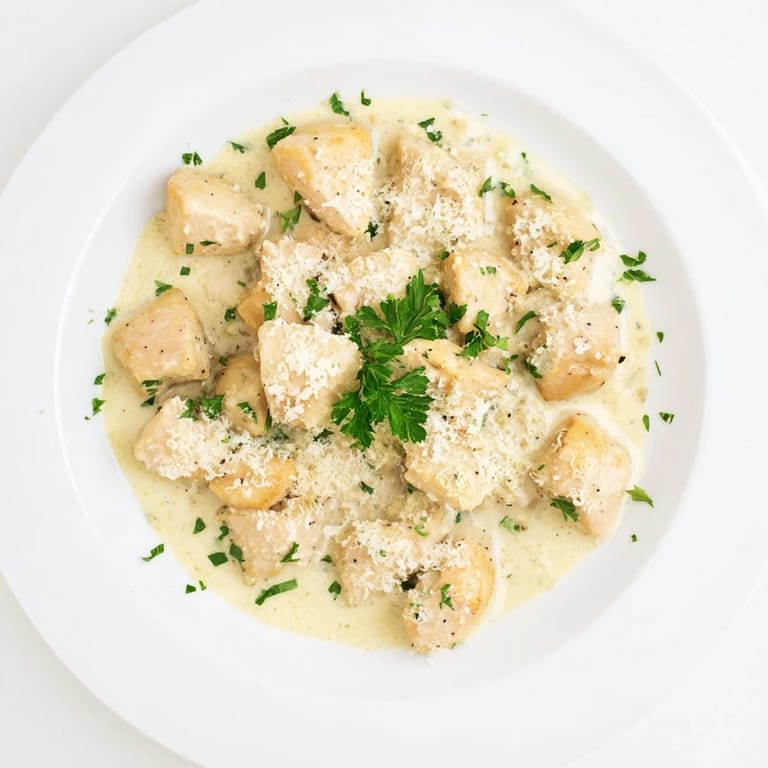
I've served these chicken bites over rice, egg noodles, mashed potatoes, and even polenta, and every version worked because the sauce is rich enough to make anything taste good. Sometimes I just put it in a shallow bowl with crusty bread on the side and call it dinner. If you want to add a vegetable, roasted broccoli or sautéed spinach fits right in without stealing the spotlight.
Swaps and Adjustments
If you need this to be dairy-free, coconut cream works surprisingly well in place of heavy cream, and nutritional yeast can stand in for Parmesan if you don't mind a slightly different flavor. I've also made it with gluten-free flour and gluten-free chicken broth for a friend with celiac, and it turned out just as creamy and delicious. You can swap the Parmesan for Pecorino Romano if you want a sharper, saltier bite, and a squeeze of lemon juice at the end brightens the whole thing up if it feels too heavy.
Storage and Reheating
Leftovers keep in the fridge for up to three days in an airtight container, and I reheat them gently in a skillet over low heat with a splash of broth or cream to loosen the sauce. The microwave works too, but the stovetop keeps the chicken tender and the sauce silky. I've never tried freezing this because it never lasts long enough, but if you do, the cream might separate a bit when you thaw it, so whisk it well as it reheats.
- Store in an airtight container in the fridge for up to three days.
- Reheat gently on the stovetop with a splash of broth or cream to bring the sauce back to life.
- Freezing is possible, but expect to whisk the sauce smooth again after thawing since dairy can separate.
 Save to Pinterest
 This is the kind of recipe that makes you look like you know what you're doing in the kitchen, even on nights when you're winging it. Make it once, and I bet it becomes one of those dishes you reach for without even thinking.
Recipe FAQ
- → Can I use chicken thighs instead of breasts?
Absolutely. Chicken thighs work excellently and stay more tender due to higher fat content. They may require an extra 2-3 minutes cooking time to ensure they're fully cooked through.
- → How do I make this dairy-free?
Substitute heavy cream with full-fat coconut cream and use vegan Parmesan or nutritional yeast. The flavor profile shifts slightly but remains delicious and creamy.
- → What can I serve this with?
This pairs beautifully with egg noodles, pappardelle pasta, jasmine rice, mashed potatoes, or garlic bread. Choose based on your preference for a lighter or heartier meal.
- → Can I make this ahead of time?
Cook the chicken and sauce completely, then refrigerate in an airtight container for up to 3 days. Reheat gently over low heat, adding a splash of broth if needed to restore creaminess.
- → How do I prevent the sauce from breaking?
Keep heat at medium or below when adding cream, stir constantly, and avoid boiling vigorously. The cream will separate if exposed to high temperatures for extended periods.
- → Can I substitute the herbs?
Yes, experiment with fresh thyme, sage, or rosemary. You can also use dried oregano or tarragon. Start with the same amount and adjust to taste preferences.