 Save to Pinterest
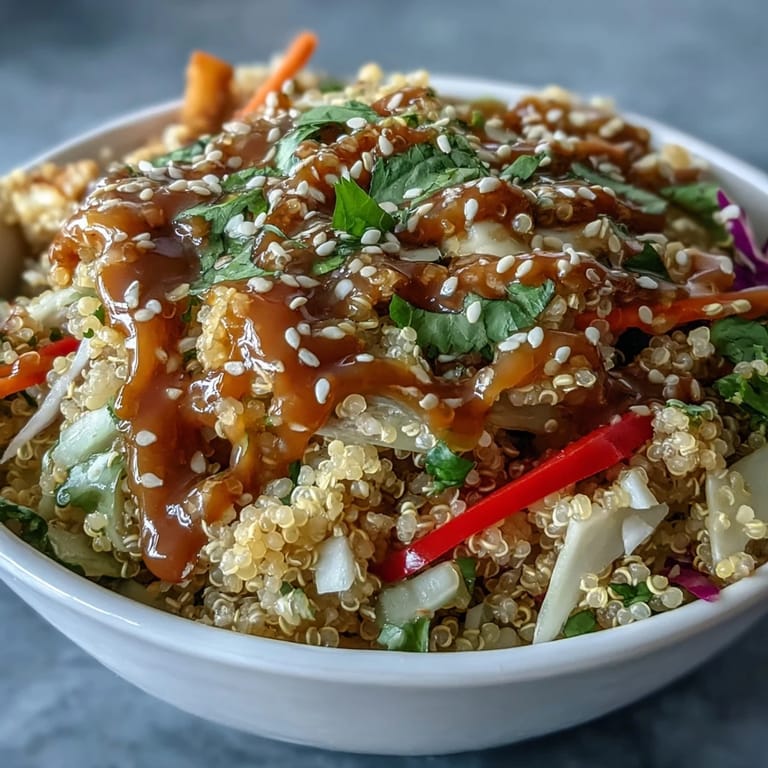
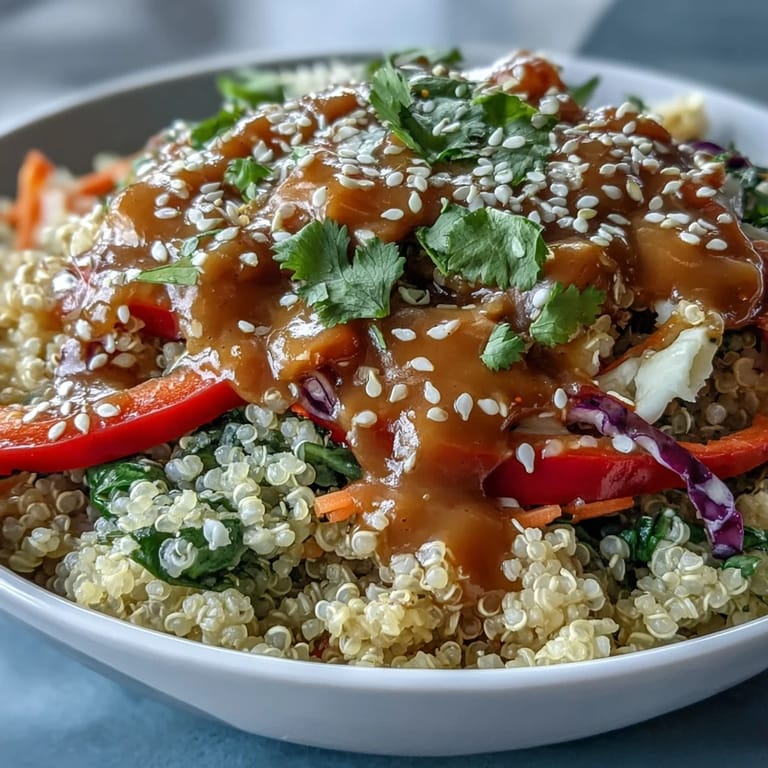
 I stumbled onto this bowl on a sweltering afternoon when my kitchen felt too hot for anything cooked. A friend had left a container of homemade peanut sauce in my fridge, and I found myself hunting through the produce drawer, tossing together whatever looked fresh and bright. The creamy coconut quinoa came together almost accidentally, but once I drizzled that sauce over the crisp vegetables, something just clicked. Now it's become my go-to when I need something that feels indulgent yet actually makes my body feel good.
I made this for my coworkers during a potluck last spring, and someone actually asked for the recipe before finishing their bowl. What surprised me most was how the cold version tasted even better the next day, the flavors settling into each other overnight. That moment made me realize this dish had staying power, the kind of recipe that gets pulled out again and again.
Ingredients
- Quinoa, rinsed: Rinsing removes the bitter coating and keeps each grain fluffy and separate rather than mushy.
- Coconut milk: Full-fat creates a silkier base, but light works beautifully if you prefer something lighter; the flavor difference is subtle.
- Water: This balances the richness of the coconut milk without diluting the taste.
- Salt: A modest amount seasons the grains as they cook, though you can always adjust at the end.
- Red bell pepper, thinly sliced: The sweetness and crunch cut through the creamy quinoa perfectly.
- Carrot, julienned or shredded: Raw carrot adds a delicate snap and natural sweetness that pairs gorgeously with peanut.
- Cucumber, thinly sliced: This is your cooling element, keeping each bite fresh and preventing the bowl from feeling heavy.
- Purple cabbage, shredded: Its slight bitterness and vibrant color balance the richness of everything else.
- Edamame, cooked and shelled: A sneaky protein boost that blends into the bowl without overpowering the other flavors.
- Fresh cilantro, chopped: This is what transforms the bowl from tasty to memorable, adding an herbal brightness at the very end.
- Sesame seeds: They toast as you handle them, releasing their nutty aroma and adding the final textural contrast.
- Creamy peanut butter: Use natural if you prefer, though the conventional kind emulsifies more smoothly into the dressing.
- Soy sauce: Go gluten-free if needed; the umami is what makes this dressing sing.
- Rice vinegar: This keeps things tangy without the harshness of other vinegars.
- Fresh lime juice: Bottled works, but fresh juice adds a brightness that bottled can't quite match.
- Maple syrup or honey: This balances the saltiness and adds a subtle depth that rounds out the dressing.
- Toasted sesame oil: A small amount goes a long way; it's the secret that makes people ask what you did differently.
- Warm water: Adding this gradually lets you control the dressing's thickness instead of ending up with something too thin or too thick.
Tired of Takeout? 🥡
Get 10 meals you can make faster than delivery arrives. Seriously.
One email. No spam. Unsubscribe anytime.
Instructions
- Rinse and combine your quinoa:
- Pour the rinsed quinoa into a medium saucepan with the coconut milk, water, and salt. The coconut milk should smell sweet and slightly nutty as it hits the pan, and you'll see the liquid turn pale.
- Bring to a boil, then retreat to a simmer:
- Once you see the vigorous bubbles, turn the heat down to low and cover with a lid. The quiet hiss underneath tells you it's cooking steadily, not angrily.
- Wait those 15 minutes:
- This is when you prep your vegetables, so you're not standing around. Set a gentle timer so you don't forget it's there.
- Rest the quinoa:
- Remove it from heat, keeping the lid on, and let it sit for 5 minutes. This final steaming helps any remaining moisture absorb, and when you fluff it with a fork, you'll see each grain separate.
- Prep your vegetables while the quinoa cooks:
- Thin slices of bell pepper, julienned carrots, and delicate cucumber slices should all go into separate piles on your cutting board. You'll feel more in control when assembly time comes if everything is ready.
- Whisk together your dressing:
- In a small bowl, combine the peanut butter, soy sauce, rice vinegar, lime juice, maple syrup, and sesame oil. Start whisking and notice how the peanut butter resists, then gradually softens as you work it.
- Add warm water, one tablespoon at a time:
- The dressing will go from thick and clumpy to silky and pourable. You'll know it's right when it coats the back of a spoon but still drips off slowly.
- Assemble your bowls:
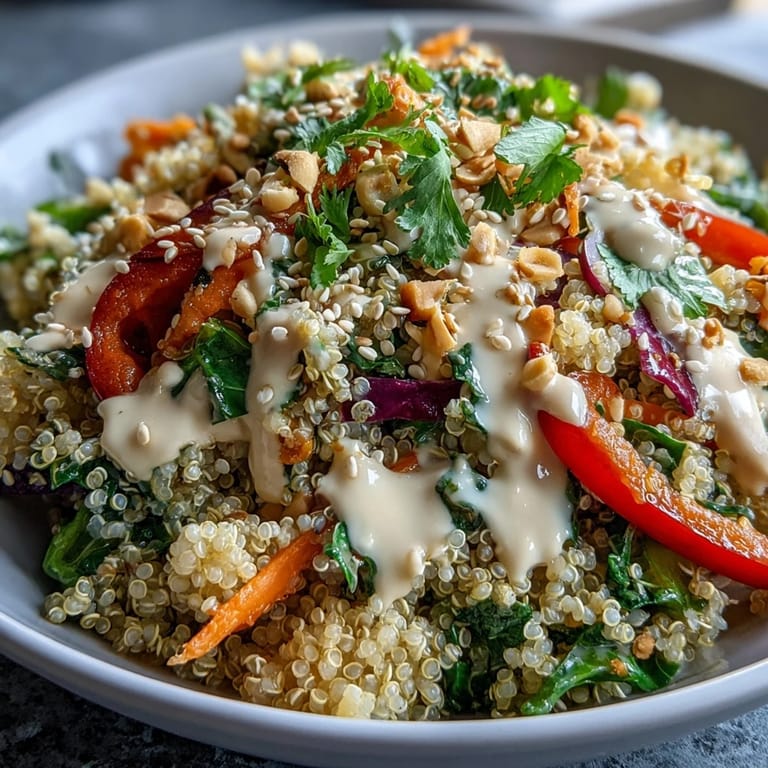
- Divide the fluffed quinoa evenly among four bowls, then arrange the vegetables and edamame on top in little sections. This looks intentional and makes every bite feel composed.
- Drizzle generously with dressing:
- Don't be shy here; the dressing is what brings everything together. Let it pool slightly in the middle so each vegetable gets coated as you eat.
- Finish with cilantro and sesame seeds:
- The cilantro goes on just before serving so it stays bright, and the sesame seeds add that final nutty crunch that makes people notice the detail.
 Save to Pinterest
 There was something almost meditative about the moment when my teenage cousin tasted this and went quiet for a few seconds before asking for seconds. Food that makes people pause like that, that shifts how they think about what healthy eating can taste like, reminds me why I love cooking in the first place.
Why This Bowl Became My Default
After making this dozens of times, I've noticed it's the kind of dish that improves with intention but thrives on flexibility. Some weeks I have all the vegetables perfectly julienned, and other times I'm just chopping what's in the crisper drawer. The coconut quinoa is forgiving enough to hold everything together, and that peanut dressing is ambitious enough to make even the simplest vegetables taste considered and thoughtful.
Cold or Hot, It Works
I've served this warm on cool evenings and chilled on hot afternoons, and honestly, both versions have their moment. The cold version keeps longer in the fridge and actually tastes better after the flavors meld overnight, which makes it ideal for meal prep. When you warm it up the next day, the vegetables soften slightly and absorb more of the dressing, creating a totally different eating experience that feels like a new dish entirely.
Making It Your Own
The beauty of this bowl is that it's a template, not a prescription. I've swapped in grilled tofu for edamame when I wanted extra protein, added shredded mango in summer, and thrown in roasted sweet potato in fall. The structure stays the same, the dressing remains constant, and suddenly you have a completely different meal that still feels intentional and balanced.
- Roasted peanuts add a crunch that changes the whole texture profile if you sprinkle them on at the very end.
- A splash of fish sauce in the dressing (just half a teaspoon) deepens the umami if you're not serving strict vegetarians.
- Leftover dressing keeps in the fridge for almost a week and works beautifully on salads, roasted vegetables, or even as a dip for spring rolls.
 Save to Pinterest
 This bowl has become my answer to so many different moments, whether I'm feeding myself on a busy weeknight or impressing someone I'm trying to show that healthy food can be genuinely delicious. It's generous enough to feel like a treat but honest enough to make you feel great afterward.
Recipe FAQ
- → Can I make this bowl ahead of time?
Yes, this bowl stores beautifully. Prepare the quinoa and vegetables in advance, then assemble when ready. The dressing keeps in the refrigerator for up to a week in an airtight container.
- → What protein options work well?
Beyond the quinoa and edamame, try grilled tofu, tempeh, or baked chicken. Shrimp also pairs beautifully with the Thai-inspired flavors for non-vegetarian versions.
- → How can I adjust the peanut dressing?
Thin with additional warm water for desired consistency. For spice, add sriracha or red pepper flakes. Almond butter or sunflower butter make excellent substitutes if peanut allergies are a concern.
- → What vegetables can I substitute?
Snap peas, shredded broccoli, jicama, or mung bean sprouts add great crunch. Avocado lends creaminess while fresh basil or mint can replace or complement the cilantro.
- → Is this bowl gluten-free?
Naturally gluten-free when using tamari or certified gluten-free soy sauce. Always verify your soy sauce choice, as regular varieties contain wheat. The remaining ingredients are all naturally gluten-free.
- → Can I use other grains instead of quinoa?
Brown rice, cauliflower rice, or even noodles work well. Adjust cooking liquid and time accordingly. The creamy coconut flavor pairs beautifully with most grain bases.