 Save to Pinterest
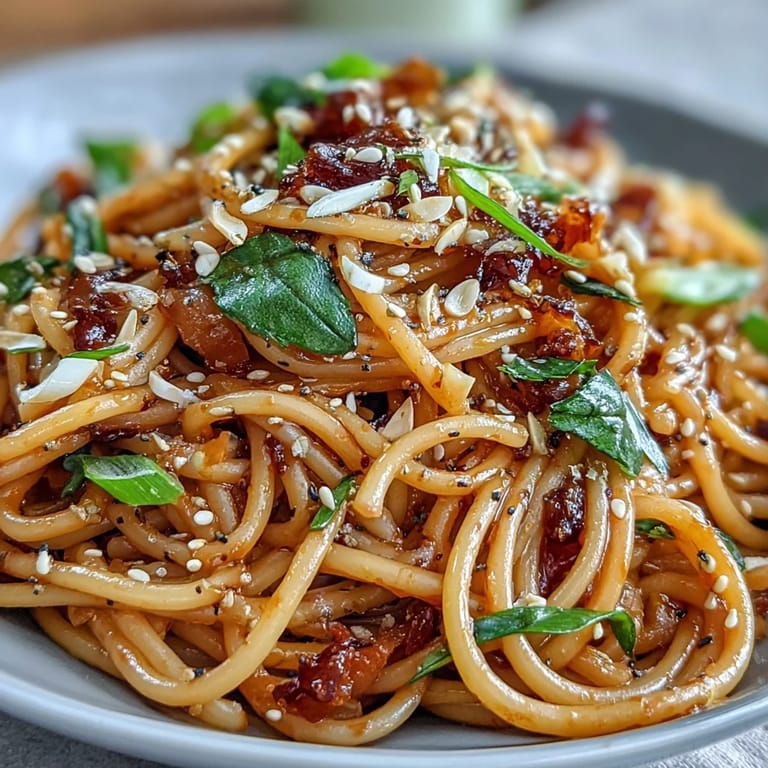
 The first time I smelled gochujang melting into butter, I had a hunch dinner was going somewhere exciting. There was this moment with the garlic sizzling, where the air in my kitchen shifted — sweet, spicy, and mouthwatering all at once. I reached for pasta, almost out of habit, and before I knew it, that familiar routine spun into something new and vibrant. Honestly, I never expected these bold Korean flavors would cling so beautifully to classic spaghetti. Now, it’s become my go-to for nights when comfort and adventure need to meet in the middle.
Last time I made this, a friend wandered in, drawn by the scent, and ended up grabbing a fork before I could even plate the pasta. We both laughed over how a dish so simple could punch so far above its weight in flavor. She declared it an instant favorite, and now it’s the recipe everyone requests when pasta night rolls around. The best meals, it seems, are those that start with curiosity and end with an empty bowl.
Ingredients
- Pasta: Use spaghetti or linguine — the long strands carry the sauce well, but any shape you love works. Salt the water generously so the noodles absorb flavor from the start.
- Unsalted Butter: This gives the sauce a creamy backbone; if you only have salted, just ease up on the soy later.
- Garlic: Mince it finely for even cooking and an aromatic boost that anchors the dish.
- Gochujang: Classic Korean chili paste brings complex, sweet heat — be sure to scoop from a fresh tub for full flavor.
- Soy Sauce: This deepens the umami; tamari works for gluten-free needs.
- Honey or Maple Syrup: Rounds out the heat with a gentle sweetness — maple is perfect for a vegan version.
- Pasta Cooking Water: Don’t skip this — the starch helps your sauce gloss up and cling just right.
- Spring Onions: You’ll want them finely sliced for a fresh, sharp finish.
- Toasted Sesame Seeds: Add right before serving — they give nuttiness and a touch of crunch.
- Freshly Ground Black Pepper: Sprinkle generously at the end to lift all the flavors.
Tired of Takeout? 🥡
Get 10 meals you can make faster than delivery arrives. Seriously.
One email. No spam. Unsubscribe anytime.
Instructions
- Boil the Pasta:
- Fill a large pot with well-salted water and bring it to a roaring boil. Cook your pasta just until al dente, then save a little starchy water before draining.
- Sauté Garlic in Butter:
- In a roomy skillet, let butter slowly melt, then tip in the garlic — you’ll want to catch that fleeting moment when it’s fragrant but not browned.
- Stir in Sauce Components:
- Spoon gochujang right into the buttery garlic and drizzle in soy sauce and honey. Watch the color deepen while you stir — it only needs a minute or so to come together.
- Toss Everything Together:
- Add drained pasta to the skillet, plus a splash of the reserved cooking water. Toss thoroughly over medium heat as the sauce coats and glistens around every strand.
- Garnish and Serve:
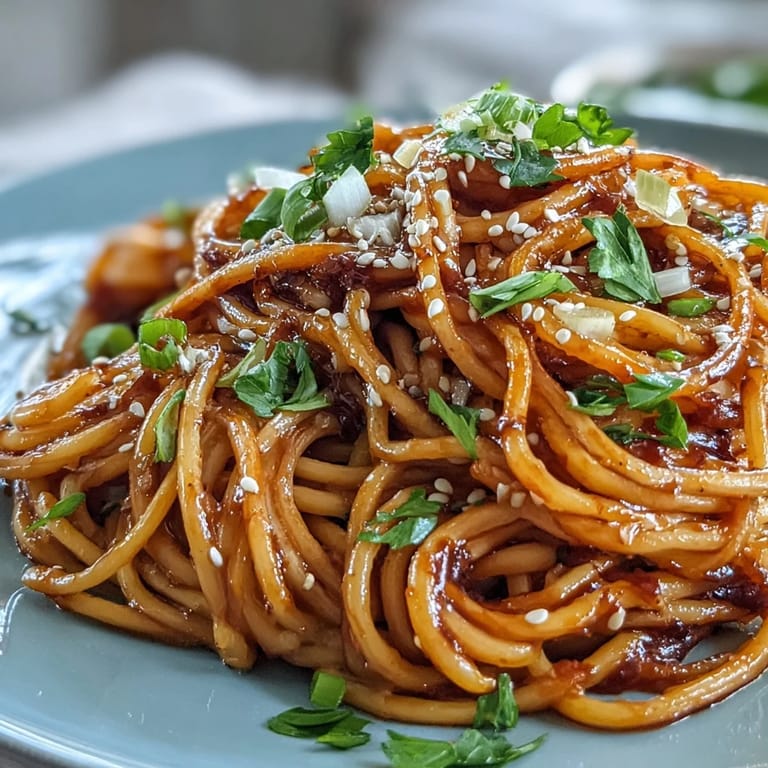
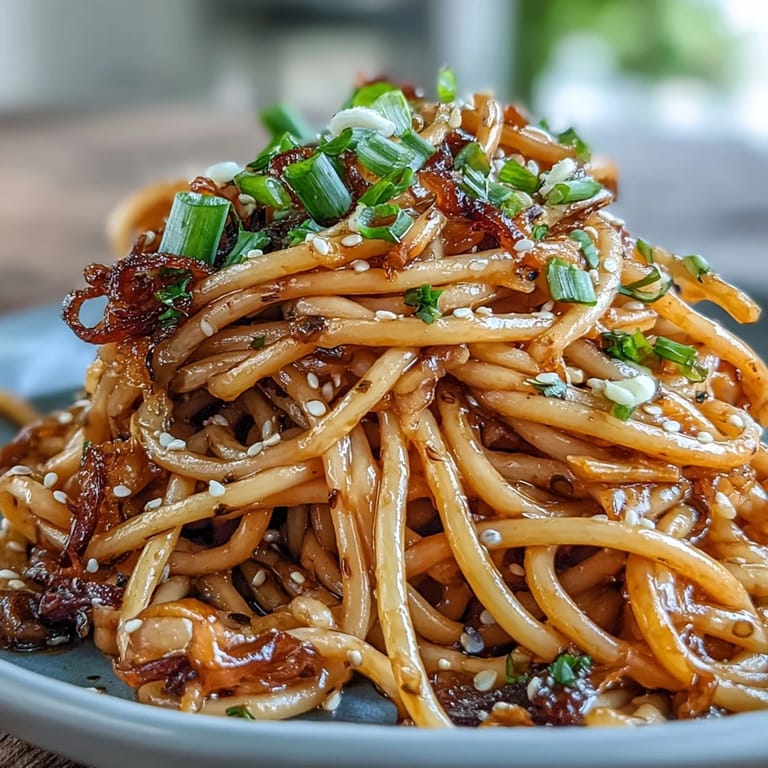
- Twirl the pasta into bowls and shower with spring onions, sesame seeds, and a grind of pepper. Hand out forks straight away — this dish waits for no one.
 Save to Pinterest
 There was a chilly evening when I made too much, and roommate voices drifted into the kitchen one by one. Suddenly, bowls were filled, the conversation turned cozy and animated, and that’s when I realized this dish is about more than flavor — it’s about creating warmth while sharing something unexpected.
Making It Vegan or Gluten-Free Is Easy
Swapping in plant-based butter and maple syrup gives you the same rich, satisfying sauce without dairy or honey. Pick a gluten-free pasta and double-check your soy and gochujang labels, and just like that, everyone gets to dig in with no worries.
Add-Ins That Never Miss
I like tossing in a handful of sautéed mushrooms or baby spinach when I want extra veg. A jammy soft-boiled egg or crispy tofu amps up the protein and transforms the bowl into a full meal. Every now and then, I’ll add a few leaves of fresh cilantro for a burst of herbal brightness.
Serving and Storage Ideas
This pasta is a showstopper hot off the stove, but leftovers reheat beautifully with a splash of water and a quick toss. Try pairing with a cold, lightly sweet white wine or even a crisp cucumber salad on the side.
- If the pasta dries out, add a drizzle of oil when reheating.
- Store extra in a sealed container in the fridge, no more than two days.
- Garnish right before serving to keep everything fresh and vibrant.
 Save to Pinterest
 I hope you have as much fun with this pasta as I did — sometimes a little risk with flavor leads to the most memorable meals. Here’s to dishes that surprise you with every bite.
Recipe FAQ
- → How spicy is the dish and can I adjust the heat?
Gochujang brings a mild to moderate heat with sweet, fermented depth. Reduce heat by using less gochujang or balance with extra butter or a touch more sweetener (maple or honey). Adding creamy elements tames spice while maintaining flavor.
- → Why reserve pasta cooking water?
Starchy pasta water helps loosen and emulsify the sauce, turning it glossy and allowing it to cling to the noodles. Start with about 60 ml and add more if the sauce seems tight.
- → What pasta shapes work best?
Long strands like spaghetti or linguine pick up the silky sauce well, but short shapes such as bucatini or penne also work if you prefer fork-friendly bites—adjust toss time to coat evenly.
- → How can I make this dairy-free or vegan?
Use a plant-based butter and swap honey for maple syrup. Check gochujang labels for vegan-friendly formulations, as some brands may include seafood-derived ingredients.
- → Can I add protein or vegetables?
Sautéed mushrooms, wilted spinach, crispy tofu or a soft‑boiled egg are excellent additions. Add quick-cooking veggies near the end of tossing so they retain texture without overcooking.
- → How should leftovers be stored and reheated?
Cool quickly and refrigerate in an airtight container for up to 2 days. Reheat gently in a skillet with a splash of water or oil to loosen the sauce and restore creaminess; avoid microwave drying.