 Save to Pinterest
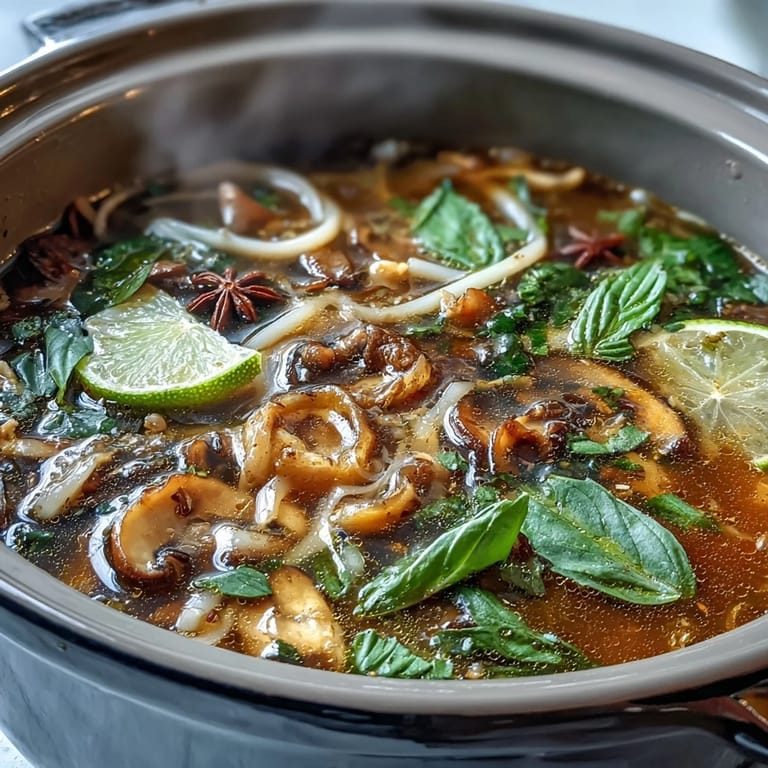
 The first time I watched someone cook at the table, I was mesmerized by the theater of it all. Steam rising from a shallow pot, the sizzle of beef hitting hot broth, the casual intimacy of everyone cooking at their own pace. That evening, I realized Asian hot pot isn't just dinner, it's a conversation starter that keeps people lingering long after they're full, passing platters and experimenting with flavor combinations they'd never dream up alone.
My neighbor brought a portable hot pot to a potluck and changed everything about how I think about gathering food. Watching my reserved colleague turn playful while cooking shrimp at the table, or seeing my friend who usually orders takeout taste something she actually helped create, I understood why hot pot feels like celebration even on a random Thursday night.
Ingredients
- Beef broth (8 cups): The foundation that carries all the spices and aromatics, so use a good quality low-sodium version and taste it as your base note before building the flavors around it.
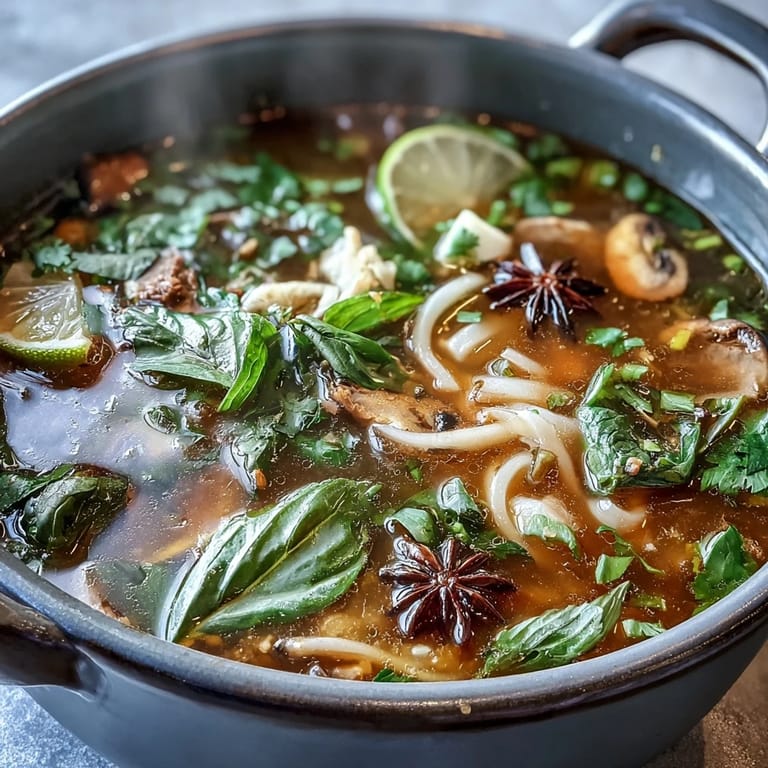
- Fresh ginger, garlic, lemongrass, and star anise: These four elements create that distinctive aromatic depth that makes people say they've never tasted broth quite like this, and smashing them releases their oils in ways that slicing alone never could.
- Fish sauce and soy sauce: The umami backbone that seems subtle in the broth but becomes completely essential once you taste it without them, so don't skip or reduce even if you're skeptical.
- Beef sirloin, thinly sliced: Freezing it for an hour makes slicing dramatically easier and the thin pieces cook in seconds at the table, creating that tender mouthfeel that makes everyone reach for more.
- Rice noodles (dried, medium width): These soften beautifully in warm water and won't turn to mush in the broth like thinner varieties, holding their texture through multiple dips.
- Vegetables (bok choy, mushrooms, cabbage, carrots, bean sprouts): The variety matters because different vegetables add different textures and nutritional notes, plus the colors make the table look abundant and inviting.
- Fresh herbs (cilantro and Thai basil), lime, and scallions: These aren't garnish, they're flavor transformers that let each person customize their bowl to taste, making every bite feel personal.
Tired of Takeout? 🥡
Get 10 meals you can make faster than delivery arrives. Seriously.
One email. No spam. Unsubscribe anytime.
Instructions
- Build your aromatic broth foundation:
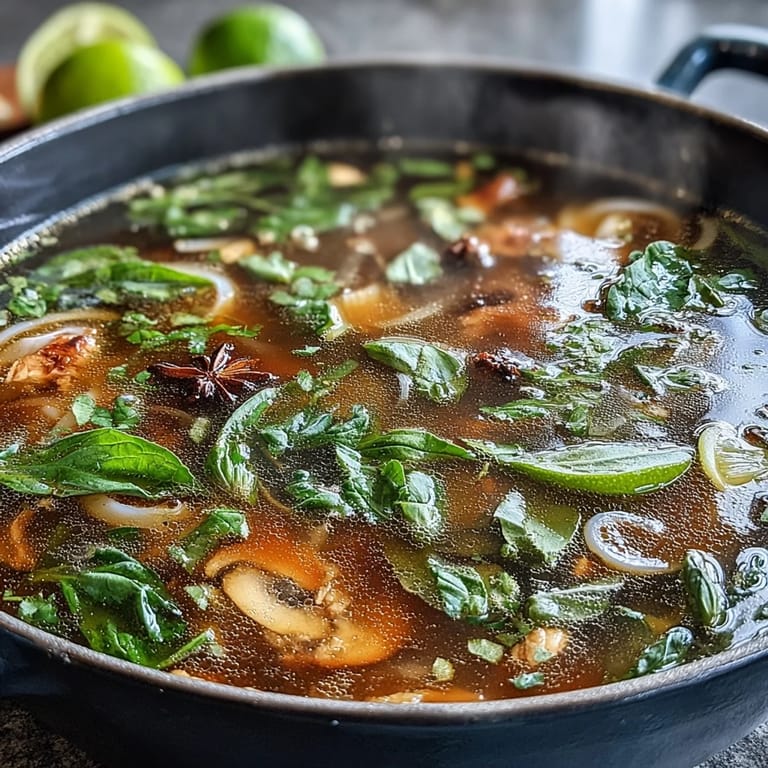
- Combine broth, water, smashed ginger, garlic, lemongrass, and star anise in a large pot and bring to a rolling boil, then reduce to a gentle simmer for 20 to 25 minutes so all those aromatics have time to perfume the liquid completely. Strain out the solids and return the broth to the heat, keeping it at a steady simmer that's ready for the table.
- Soften the noodles while you prep:
- Soak your dried rice noodles in warm water for 20 to 30 minutes until they're pliable but still have a slight firmness, then drain them and set aside so they're ready to drop into hot broth.
- Arrange everything on platters like you're setting a stage:
- Spread the thinly sliced beef, all your prepped vegetables, fresh herbs, lime wedges, and dipping sauces across large platters so everyone at the table can see and reach everything easily. This visual abundance signals that dinner is going to be fun and unhurried.
- Set up your portable heat source:
- Position the tabletop burner or electric hot pot in the center of the table with your shallow hot pot or fondue pot filled with simmering broth, making sure everyone has a clear view and safe access to the heat.
- Let people cook at their own rhythm:
- Invite everyone to add whatever they want to the broth, from noodles to beef to vegetables, letting them fish out cooked items with a slotted spoon or chopsticks as each component reaches their preferred doneness. The beef will cook in literally seconds, the noodles in about a minute, and the vegetables anywhere from 30 seconds to 2 minutes depending on thickness.
- Build bowls with intention:
- Ladle the cooked ingredients and aromatic broth into bowls, then let each person finish with fresh herbs, lime juice, and whatever dipping sauces call to them, creating a bowl that feels uniquely theirs.
 Save to Pinterest
 There's a moment halfway through a hot pot dinner when the talking gets louder, the laughter more genuine, and everyone stops worrying about whether they're eating correctly and just starts enjoying. That's when I know the recipe worked not because the food was perfect, but because the meal became an experience instead of just dinner.
The Secret to Tabletop Cooking Theater
A portable burner transforms dinner from a kitchen event to a table event, and that shift changes everything about how people interact with food. When the cooking happens in front of everyone, someone inevitably tries an unusual combination, another person teaches someone else their technique, and suddenly a meal becomes a small adventure instead of just eating. The burner doesn't have to be fancy or expensive, it just has to be stable and bring the broth to a consistent simmer that stays hot throughout the meal.
Customizing Your Hot Pot Experience
The beauty of this recipe is that it's more template than prescription, meaning you can shift it toward what your table actually loves. Swap beef for sliced chicken breast if you prefer poultry, use shrimp if seafood feels right, or go vegetarian with tofu and extra mushrooms that develop a surprising umami depth when cooked in that aromatic broth. Vegetables can be whatever you find at the market or what's sitting in your refrigerator, so long as you cut them thin enough to cook quickly at the table.
Making It Memorable With Thoughtful Touches
The dipping sauces are where people get playful, so offer at least hoisin, sriracha, and soy sauce and watch everyone develop their own flavor signature. Beyond the main setup, consider fresh lime as non-negotiable because it brightens everything, and Thai basil as the herb that makes people pause and ask what that flavor is. The little details matter because hot pot is interactive, meaning every choice on that table becomes part of someone's story about the meal.
- Prep all vegetables the morning of so you're actually relaxed when guests arrive instead of stressed about knife work.
- Keep extra broth simmering in a separate pot because the one at the table will reduce as people cook, and you'll need top-ups to keep the heat consistent.
- Put out extra napkins because hot pot is inherently a little splashy and messy, which is exactly what makes it feel like celebration.
 Save to Pinterest
 Hot pot is the kind of meal that stays with people long after the last bite, not because the food was complicated but because the experience felt connected and unhurried. Serve this to someone and they'll ask you to make it again, not realizing they're really asking for another night where everyone at the table got to be creative.
Recipe FAQ
- → How do I prepare the broth for authentic flavor?
Simmer beef broth with fresh ginger, garlic, lemongrass, star anise, soy sauce, fish sauce, and a touch of sugar. Strain after 20-25 minutes for a clear, aromatic base.
- → What is the best way to slice the beef?
Freeze the beef sirloin for about an hour to firm it, then slice thinly across the grain for tender, quick cooking.
- → How should rice noodles be prepared before cooking in broth?
Soak dried rice noodles in warm water for 20-30 minutes until pliable, then drain before adding to the simmering broth.
- → What vegetables complement the hot pot well?
Baby bok choy, shiitake mushrooms, Napa cabbage, carrots, bean sprouts, scallions, cilantro, and Thai basil all add texture and fresh flavors.
- → Can I customize proteins or make this dish vegetarian?
Yes, substitute beef with thinly sliced chicken, shrimp, tofu, or fully vegetarian by using vegetable broth and mushrooms instead of meat.
- → What dipping sauces enhance the flavors?
Hoisin, sriracha, chili garlic, and additional soy sauce provide a range of spicy, sweet, and salty options to tailor each bite.