 Save to Pinterest
 The first time I made acorn squash soup, I was battling a particularly gray November afternoon. There's something about the crack of a knife through that ridged, green exterior that feels deeply satisfying – like you're unlocking something special. As I scooped out those first roasted spoonfuls from their little half-moon shells, the sweet, nutty aroma filled my kitchen and immediately lifted my mood. I remember thinking that something this simple shouldn't taste this luxurious.
Last autumn, my neighbor dropped by unexpectedly just as I was blending a batch of this soup. She looked tired from a long workday, and I insisted she stay for dinner. As we sat at my kitchen counter with steam rising from our bowls, she closed her eyes after the first spoonful and whispered, This tastes like everything good about fall in one bite. Sometimes food becomes a bridge between people, and this soup has built quite a few in my life.
Ingredients
- Acorn squash: Look for squash that feel heavy for their size with dull, not glossy skin, which tells you theyre properly matured and will have that perfect nutty sweetness.
- Yellow onion: The subtle sweetness that develops when onions cook down is the secret backbone of this soup, creating depth without overwhelming the delicate squash.
- Heavy cream or coconut milk: I discovered after many batches that adding this right at the end, off the heat, preserves the luxurious mouthfeel without breaking or curdling.
- Nutmeg and cinnamon: Just a quarter teaspoon of each creates magic here, enhancing the natural sweetness without making the soup taste like a dessert.
- Vegetable broth: I learned to use low-sodium varieties so I can control the salt level myself, as the reduction intensifies flavors dramatically.
Tired of Takeout? 🥡
Get 10 meals you can make faster than delivery arrives. Seriously.
One email. No spam. Unsubscribe anytime.
Instructions
- Roast the squash:
- Preheat your oven to 400°F and line a baking sheet with parchment. Brush those beautiful halved acorn squashes with olive oil before placing them cut-side down, creating a steamy environment that yields incredibly tender flesh.
- Build the flavor base:
- While the squash roasts, sauté the onion, carrot, and garlic until they soften and begin to release their sweetness. The kitchen will start filling with an aroma that makes everyone wonder what youre making.
- Create the soup:
- Add your roasted squash flesh, broth, water, and seasonings to the pot, then let everything simmer together. These ten minutes of patience allow all those flavors to get properly acquainted.
- Blend to perfection:
- Use an immersion blender right in the pot or transfer carefully to a countertop blender. Watch as the ingredients transform into a silky, unified soup thats impossibly smooth.
- Finish with richness:
- Stir in the cream or coconut milk off the heat, allowing it to melt into the soup without breaking. This final touch bridges all the flavors together while adding that luxurious mouthfeel that makes this soup special.
- Garnish and serve:
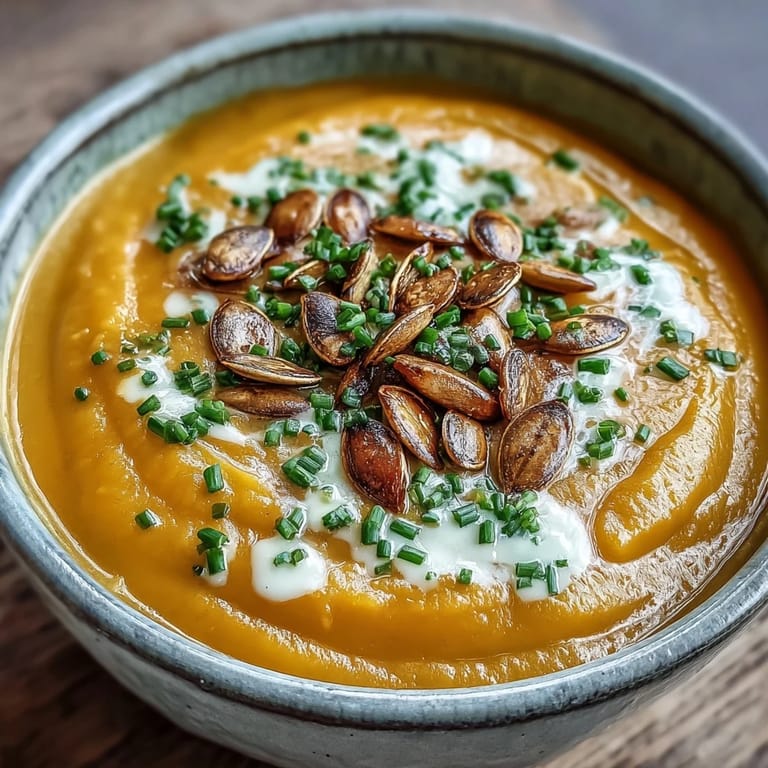
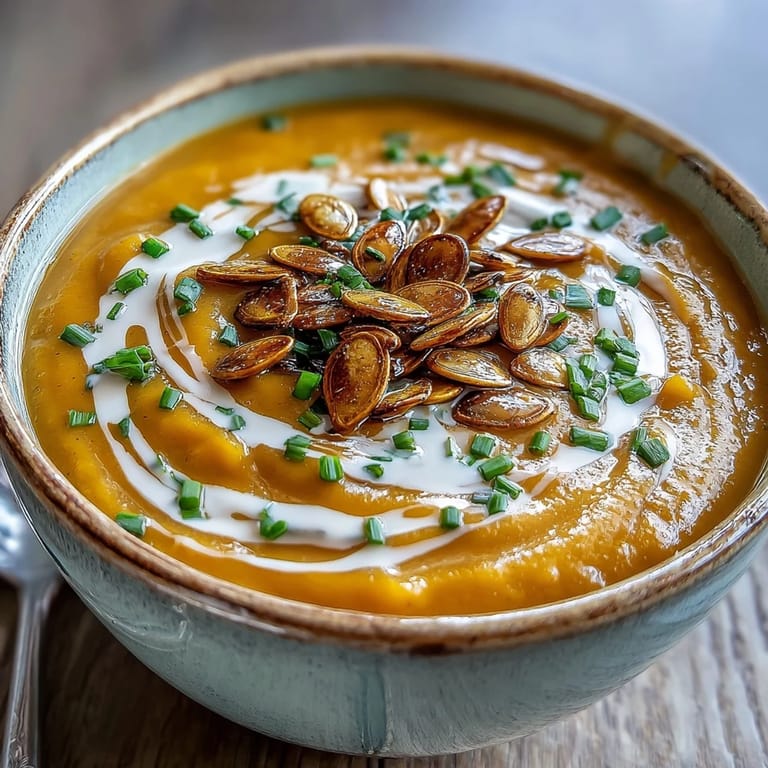
- Ladle into bowls and top with those toasted pumpkin seeds for crunch, fresh chives for color, and maybe a swirl of cream for beauty. Each element adds another dimension to every spoonful.
 Save to Pinterest
 My brother, who claims to hate most vegetables, stopped by one evening when I had a pot of this soup simmering. He reluctantly tried a small bowl to be polite and ended up asking for seconds, then the recipe. That night, watching him enjoy something so wholesome and nourishing felt like a small victory. Now he makes it for his kids, who call it golden soup and request it weekly during the colder months.
Squash Selection Secrets
After years of making this soup, Ive discovered that the quality of your acorn squash makes all the difference. The best ones have a deep green exterior with a splash of orange where they rested on the ground. When you tap them, you should hear a slightly hollow sound, not a dull thud. And if youre choosing between a larger or smaller squash, always go for the smaller one, as theyre typically more concentrated in flavor and less watery.
Texture Troubleshooting
Achieving that perfect velvety consistency took me several attempts to master. If your soup seems too thin, avoid the temptation to add more cream, which can dull the squash flavor. Instead, return it to a gentle simmer uncovered for 5-10 minutes to reduce slightly. Conversely, if its too thick, add warm broth a quarter cup at a time until you reach that perfect spoonable consistency. The ideal texture should coat the back of a spoon but still flow smoothly when poured.
Seasonal Variations
This soup transforms beautifully with the changing seasons, becoming something new each time. In winter, I add a tablespoon of maple syrup and extra cinnamon for a warming effect that feels like comfort in a bowl. Spring calls for lighter notes, where I might swap the nutmeg for fresh thyme and finish with a squeeze of lemon. Summer surprisingly works well too, when I serve it chilled with a swirl of basil oil.
- For an autumn harvest version, add a diced apple to the vegetable sauté and top with crispy fried sage leaves.
- Create a holiday variation by adding a tablespoon of bourbon off the heat, which adds warmth without tasting boozy.
- For weeknight simplicity, prepare the roasted squash on weekend meal prep day and refrigerate it until youre ready to make the soup.
 Save to Pinterest
 This soup has taught me that sometimes the most ordinary ingredients can create extraordinary experiences. I hope it warms your home and brings the same comfort to your table that it has consistently brought to mine.
Recipe FAQ
- → Can I make this soup vegan?
Yes, simply substitute coconut milk for the heavy cream. The coconut milk adds a subtle tropical flavor while maintaining the creamy texture.
- → How do I store leftover soup?
Store cooled soup in an airtight container in the refrigerator for up to 4 days. Reheat gently on the stove, adding a splash of broth or water if needed to thin the consistency.
- → Can I freeze this soup?
Yes, freeze without the cream added. Thaw overnight in the refrigerator, reheat on the stove, then stir in the cream or coconut milk just before serving.
- → What can I substitute for acorn squash?
Butternut squash works beautifully as a substitute. It has a similar sweetness and texture when roasted, though the flavor profile is slightly nuttier.
- → How can I add more protein?
Serve with crusty bread topped with cheese, or stir in a can of white beans during the simmering stage. Adding cooked quinoa or rice also boosts protein content.
- → What's the best way to puree the soup?
An immersion blender is most convenient as you can puree directly in the pot. If using a countertop blender, work in batches and be careful with hot liquids—vent the lid and cover with a towel.