 Save to Pinterest
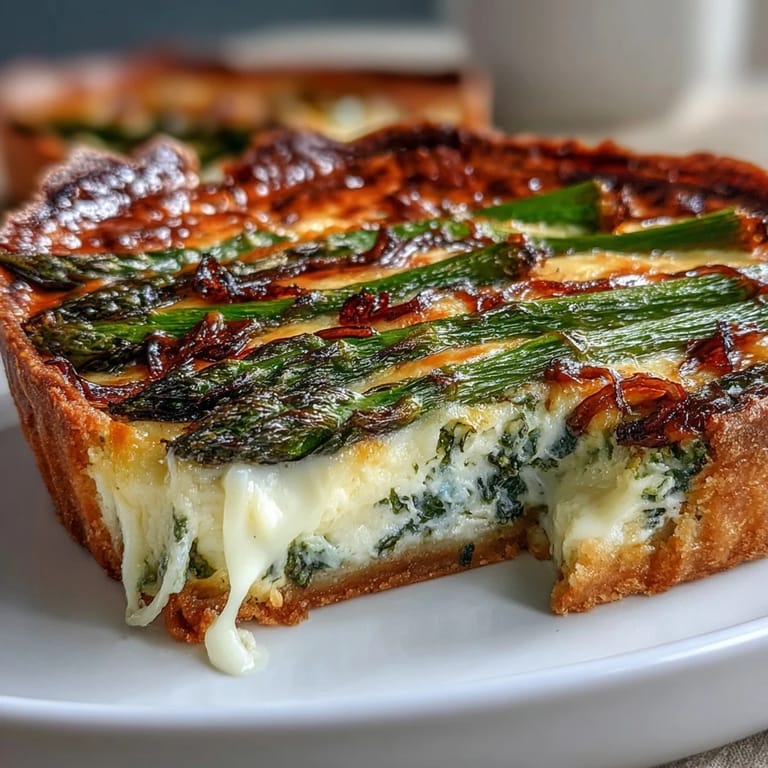
 It was one of those breezy spring Sundays when I pulled open the kitchen window and found the scent of rain mingling with the promise of sunshine. Crisp asparagus caught my attention at the market that morning, practically begging to be tucked into something golden and comforting. The idea of a quiche came together quickly, inspired by my longing for something elegant but not fussy. As the first batch baked, the warm, buttery aroma of pastry and caramelized shallots drifted through the house. My cat jumped on the counter, convinced something magical was about to happen—and honestly, she was right.
One chilly afternoon, friends piled in after a garden walk, rain boots glinting in the entryway, and I hurriedly slid this quiche in the oven. Everyone wound up congregating around the kitchen island, swiping up stray bits of Gruyère, eager for their slice. We ended up eating straight from the pan with more laughter than plates. Somehow, the simplest dishes pull people closer, especially when made with what's in season.
Ingredients
- All-purpose flour: For the crust, I find starting with a cold bowl and flour helps everything stay tender, never tough.
- Unsalted butter: Cold, cubed butter is non-negotiable for the flakiest pastry—work quickly and don't overmix.
- Salt: A modest pinch boosts both dough and filling so nothing tastes flat.
- Ice water: Only use just enough to bring the dough together; too much water will make it dense.
- Olive oil: A drizzle helps coax the sweetness from shallots without overpowering.
- Shallots: Slowly caramelize them for a mellow depth—they turn into gold in the skillet.
- Fresh asparagus: Bright and snappy, asparagus is best blanched just until vibrant to preserve its springy bite.
- Gruyère cheese: Its nutty richness melts beautifully, pairing perfectly with eggs and vegetables.
- Eggs: The backbone of any quiche; I use room-temperature eggs for the smoothest filling.
- Heavy cream: Don't skimp here—it's what gives the filling its silkiness.
- Whole milk: Lightens the custard slightly, letting the delicate flavors come through.
- Fine sea salt: A gentle dash to round out and highlight all the flavors within.
- Freshly ground black pepper: Gives the custard filling a subtle warmth without being distracting.
- Ground nutmeg: Just a pinch adds an elusive hint that makes people wonder what your secret is.
Tired of Takeout? 🥡
Get 10 meals you can make faster than delivery arrives. Seriously.
One email. No spam. Unsubscribe anytime.
Instructions
- Make the pastry:
- Tumble cold flour and salt together, then work in the butter until it looks like coarse beach sand; drizzle in ice water until the dough barely holds, then pat into a disc and chill to give it time to relax.
- Roll and prepare the crust:
- On a lightly floured counter, roll the dough into a circle just larger than your pan; press it in gently, trim, and prick the bottom so it won't puff, then line with parchment and weigh it down with beans or pie weights.
- Blind bake:
- Bake the crust until just golden at the edges, then slip out the parchment and weights to let the bottom crisp up before cooling.
- Caramelize shallots:
- Swirl olive oil in a skillet, slide in the shallots, and let them slowly cook until they surrender their sharpness and turn translucent gold, scraping up any bits that stick.
- Blanch asparagus:
- Boil salted water, plunge in the asparagus pieces, and scoop them out after two minutes; chill immediately in cold water, then blot dry for perfect color and bite.
- Build the filling:
- Whisk together eggs, cream, milk, salt, pepper, and nutmeg until completely smooth—it'll almost look glossy.
- Assemble the quiche:
- Spread caramelized shallots evenly in the baked crust; arrange asparagus and sprinkle grated Gruyère generously on top.
- Add custard:
- Pour the silky egg mixture carefully over the filling so it settles into all the nooks.
- Bake:
- Slide into the oven and watch as it puffs and sets, filling your kitchen with buttery, nutty aromas; it's done when the center barely jiggles.
- Let it rest:
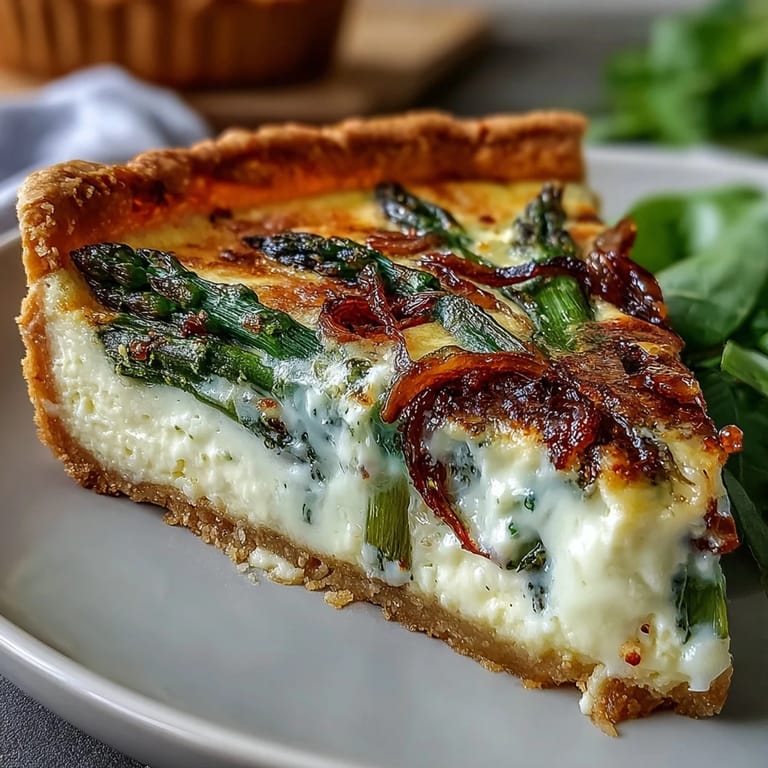
- Cool for at least 10 minutes so the slices hold their shape when served, and the flavors can settle in.
 Save to Pinterest
 I remember taking a piping-hot slice out to the garden on a folding chair, feet still wet from the dew, realizing a simple meal can turn into a ritual you look forward to all season. Sometimes the joy isn't about impressing, but just savoring what's right in front of you.
The Importance of Letting Ingredients Shine
I used to overthink quiche fillings—too many extras, and the asparagus and cheese get lost. Now I keep it focused, letting the main players speak for themselves. Try using small, young asparagus if you can find them for the sweetest flavor. Even friends who claim not to like asparagus have changed their tune after tasting this.
Easy Ways to Customize Your Quiche
There are days when I toss in a handful of torn herbs or swap the cheese for whatever is in the fridge—dill, chives, or sharp cheddar all work. Even spinach wilts in nicely if you have extra. Once you nail the basic technique, you can improvise confidently. That feeling of ownership is half the fun of cooking at home.
Serving & Enjoying at Their Best
This quiche shines even at room temperature, making it perfect for brunches or picnics where you can relax and linger. A simple green salad on the side is all you need to round out the meal.
- If time is tight, use a store-bought crust but blind-bake it first.
- Quiche leftovers are delicious both cold and rewarmed.
- Cool completely before storing to keep the crust crisp.
 Save to Pinterest
 However you slice it, this spring asparagus quiche brings a bit of elegance to any table. I hope it becomes a reliable favorite in your own kitchen adventures.
Recipe FAQ
- → How long should I blind bake the crust?
Blind bake the crust 15 minutes with weights, remove the weights and parchment, then bake an additional 5 minutes until the base is just starting to color. This helps prevent a soggy bottom when the custard is added.
- → What is the best way to cook asparagus for the filling?
Blanch 1-inch asparagus pieces in boiling salted water for about 2 minutes, then plunge into ice water to stop cooking. This preserves a bright color and a tender-crisp texture once baked.
- → What cheeses can I use instead of Gruyère?
Good substitutes include Emmental, Swiss, or a sharp white cheddar. Choose a melting cheese with a nutty or slightly sharp profile to complement the shallots and asparagus.
- → Can I make components ahead of time?
Yes. The crust can be made and blind-baked a day ahead and stored wrapped. Caramelized shallots can be refrigerated for 2–3 days. Assemble and bake on the day for best texture.
- → How should leftover portions be stored and reheated?
Refrigerate cooled slices in an airtight container for up to 3 days. Reheat in a low oven (about 300°F / 150°C) until warmed through to preserve flakiness, or enjoy cold at room temperature.
- → How do I avoid a runny center?
Use the right egg-to-cream ratio and bake until the custard is set but still slightly wobbly in the center; residual heat will finish setting during the 10-minute rest. Overfilling or underbaking leads to a loose center.