 Save to Pinterest
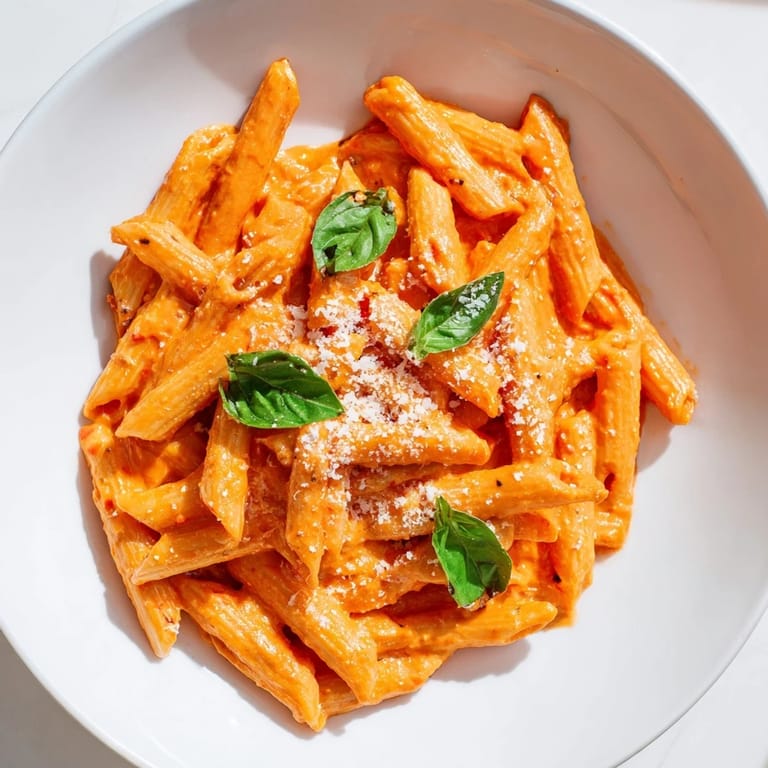
 My kitchen smelled like charred sweetness the evening I forgot to turn the peppers under the broiler. The skins had blistered perfectly, almost burnt, and I panicked for a second before realizing that was exactly what I wanted. That accidental confidence taught me more about roasting than any recipe ever did. Now, every time I make this pasta, I let the flames do their work without hovering. It's become one of those meals I throw together on a whim, and it never fails to impress.
I first made this for a friend who claimed she didn't like red peppers. She scraped her bowl clean and asked for the recipe before she left. That moment reminded me how blending something transforms it entirely, turning skeptics into believers. The sweetness of the roasted peppers softens into the cream, losing any sharpness. It's proof that sometimes the best way to win someone over is to let them taste without telling them what's inside.
Ingredients
- Penne or rigatoni (350 g): These shapes are perfect because their ridges and hollows trap the sauce, giving you flavor in every bite instead of it sliding off.
- Red bell peppers (2 large or 1 jar, 340 g): Roasting them yourself adds a smoky depth, but jarred peppers work beautifully when you're short on time and they're already silky smooth.
- Olive oil (2 tbsp): This is your base for building flavor, letting the onion and garlic bloom without burning.
- Yellow onion (1 small, diced): It melts into the background, adding sweetness and body to the sauce without taking center stage.
- Garlic (3 cloves, minced): Fresh garlic is non-negotiable here; it brings sharpness and warmth that dried garlic can't match.
- Heavy cream (120 ml): This turns the sauce luscious and rich, tempering the acidity of the peppers with a smooth, velvety finish.
- Parmesan cheese (40 g, grated): Use real Parmigiano-Reggiano if you can, it melts better and adds a nutty, salty punch that pre-grated stuff just doesn't deliver.
- Dried oregano (½ tsp): A whisper of this brings an earthy, Italian backbone to the sauce without overpowering the peppers.
- Crushed red pepper flakes (¼ tsp, optional): Just a pinch wakes everything up, adding a gentle warmth that lingers on your tongue.
- Salt and black pepper: Season boldly; the pasta water and cheese will dilute things, so the sauce should taste just slightly too intense on its own.
- Fresh basil leaves: Torn basil at the end adds a pop of color and a fresh, aromatic brightness that cuts through the richness.
Tired of Takeout? 🥡
Get 10 meals you can make faster than delivery arrives. Seriously.
One email. No spam. Unsubscribe anytime.
Instructions
- Roast the Peppers:
- If using fresh peppers, char them over an open flame or under the broiler until the skins blister and blacken in spots. Place them in a bowl, cover tightly, and let them steam for 10 minutes so the skins loosen, then peel, deseed, and chop.
- Cook the Pasta:
- Bring a large pot of generously salted water to a rolling boil and cook the pasta until al dente, following the package timing. Drain it, but save half a cup of that starchy pasta water; it's gold for adjusting the sauce later.
- Sauté the Aromatics:
- Heat olive oil in a large skillet over medium heat, add the diced onion, and let it soften for 3 to 4 minutes until translucent. Toss in the minced garlic and cook for just a minute until fragrant but not browned.
- Blend the Sauce:
- Add the roasted red peppers to the skillet and cook for 2 minutes, then transfer everything to a blender and puree until completely smooth. You can also use an immersion blender right in the pan if you prefer fewer dishes.
- Finish the Sauce:
- Return the silky pepper puree to the skillet over low heat and stir in the heavy cream, Parmesan, oregano, and red pepper flakes if using. Season with salt and pepper, then simmer gently for 2 to 3 minutes, adding reserved pasta water if it looks too thick.
- Toss and Serve:
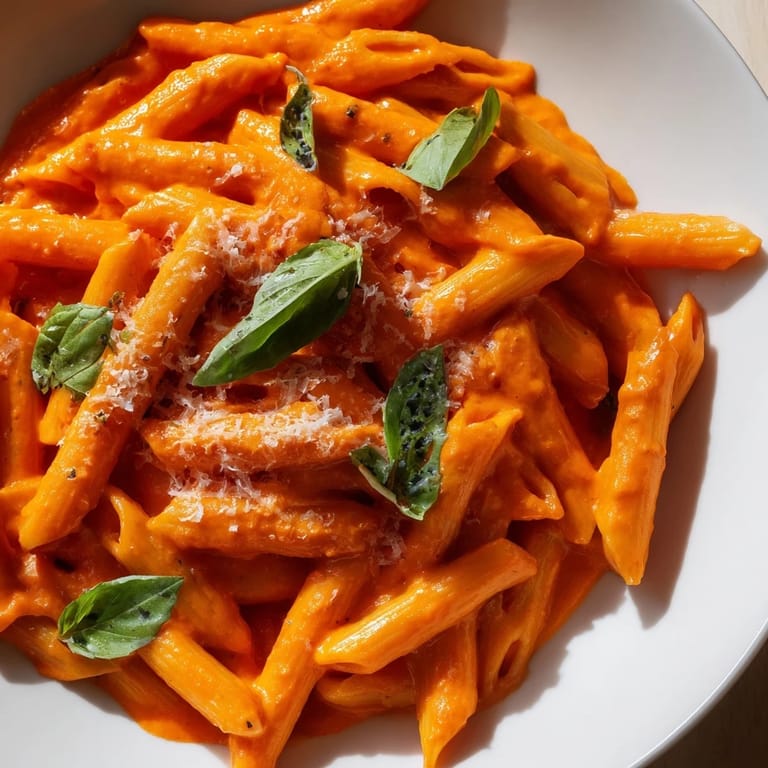
- Add the drained pasta directly into the sauce and toss until every piece is glossy and coated. Serve immediately, topped with torn fresh basil and extra Parmesan.
 Save to Pinterest
 One Saturday afternoon, I doubled this recipe and invited a few neighbors over without much planning. We ate straight from the skillet at the kitchen counter, passing around a bottle of cold Pinot Grigio. Someone said it tasted like summer in Italy, which felt generous but also exactly right. That's when I realized this dish doesn't need a formal table or fancy plating; it just needs people willing to twirl their forks and savor the moment.
Making It Your Own
I've tossed in grilled chicken strips when I needed extra protein, and I've stirred through sautéed shrimp for a coastal twist. Roasted vegetables like zucchini or cherry tomatoes fold in beautifully, adding texture and color without stealing the spotlight. For a vegan version, swap the heavy cream for coconut cream and use cashew or almond-based Parmesan; the sauce stays creamy and the peppers still shine. Don't be afraid to experiment, this recipe is forgiving and welcomes whatever you have on hand.
Pairing and Serving
I almost always serve this with a simple green salad dressed in lemon and olive oil, something crisp to balance the richness of the sauce. A crusty loaf of sourdough or garlic bread is perfect for mopping up every last bit from the bowl. If you're pouring wine, reach for something bright and acidic like Pinot Grigio or a Vermentino; the crispness cuts through the cream and refreshes your palate between bites. Leftovers reheat surprisingly well with a splash of milk or pasta water to loosen the sauce back up.
Storage and Make-Ahead Tips
You can make the sauce a day or two ahead and store it in the fridge, then just reheat gently and toss with freshly cooked pasta when you're ready to eat. The sauce also freezes beautifully for up to three months; thaw it overnight in the fridge and warm it slowly on the stove. Cooked pasta doesn't freeze as well, so I recommend freezing only the sauce and cooking your pasta fresh each time.
- Store leftover pasta and sauce together in an airtight container in the fridge for up to 3 days.
- Reheat gently on the stovetop with a splash of water or milk to bring the sauce back to life.
- If the sauce separates slightly after reheating, a quick whisk will bring it back together.
 Save to Pinterest
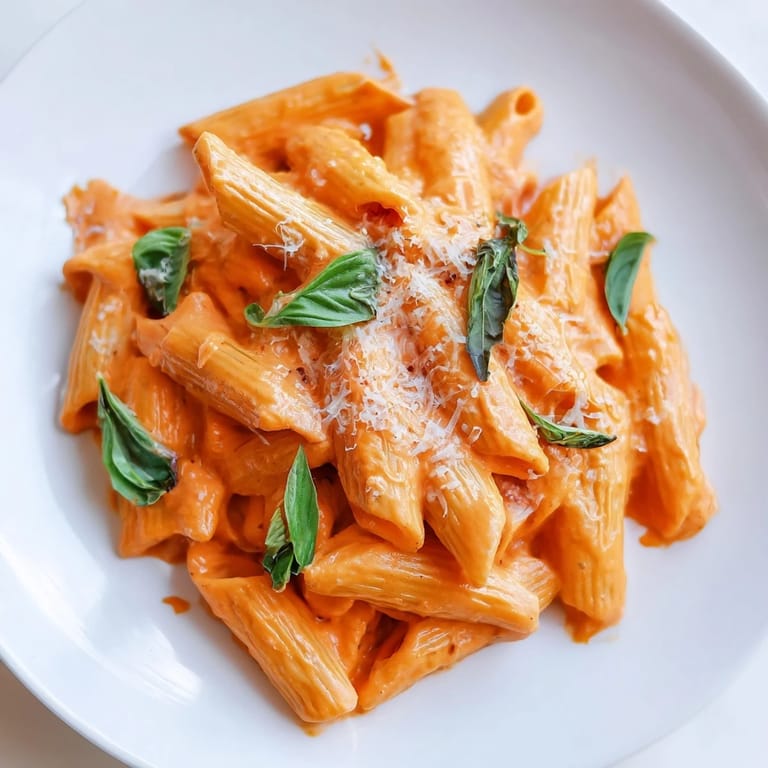
 This pasta has a way of turning a regular Tuesday into something worth remembering. I hope it finds a place in your rotation, just like it did in mine.
Recipe FAQ
- → Can I use jarred roasted red peppers instead of fresh?
Yes, jarred roasted red peppers are a convenient substitute. Use one 340g jar, drained, and skip the charring and peeling steps. This reduces preparation time significantly while maintaining authentic flavor.
- → How do I achieve the perfect pasta texture?
Cook pasta until al dente, which typically means 1-2 minutes before the package instructions suggest. Reserve pasta water before draining, as the starch helps thicken and bind the sauce to each strand.
- → What can I use if I don't have heavy cream?
Coconut cream works beautifully for a dairy-free version. Half-and-half or sour cream thinned with a splash of milk also work well. Adjust quantities based on desired richness and consistency.
- → How should I store and reheat leftovers?
Store in an airtight container for up to 3 days. Reheat gently on the stovetop over low heat, adding a splash of pasta water or cream to restore the sauce's silky texture. Avoid microwaving, which can separate the sauce.
- → What wine pairs well with this dish?
A crisp white wine like Pinot Grigio, Sauvignon Blanc, or Vermentino complements the roasted pepper's sweetness and the cream's richness. Avoid heavily oaked wines that might overpower the delicate sauce.
- → Can I make the sauce in advance?
Yes, prepare the sauce up to 2 days ahead and refrigerate in a covered container. Reheat gently before tossing with freshly cooked pasta. This makes weeknight assembly quick and convenient.