 Save to Pinterest
 There's a particular moment in spring when the farmers market lemon display catches the afternoon light just right, and you know it's time to make this tart. My neighbor knocked on the door one April with three perfect Meyer lemons from her garden and a vague suggestion that I do something special with them. What emerged was this bright, elegant dessert—a buttery shortcrust shell holding the most silky, sunshine-colored filling. It's become my answer to almost every dinner party invitation since.
I made this for my sister's engagement party last May, and watching people's faces when they tasted it was genuinely moving. One of her friends, who barely ate dessert, went back for seconds and asked for the recipe that same night. There's something about the combination of buttery and bright that makes people slow down and actually taste what they're eating.
Ingredients
- All-purpose flour (1 1/4 cups): The foundation of your crust; measure by spooning into the measuring cup and leveling off to avoid packing it down.
- Unsalted butter, cold and cubed (1/2 cup for crust): Coldness is everything here—it creates those little pockets that bake into flaky layers, so don't skip chilling it beforehand.
- Powdered sugar (1/4 cup): This dissolves into the dough and keeps the crust tender; regular sugar would make it tough.
- Fine sea salt (1/4 tsp): Just a whisper to make the butter flavor pop without any sweetness dominating.
- Large egg yolk (1): The yolk binds everything together while keeping the crust tender and rich.
- Ice water (2–3 tbsp): Ice-cold water keeps the butter from warming up and softening; warm water is the enemy of flaky pastry.
- Large eggs (3) and egg yolks (2 large): The eggs create that silky custard texture and bind the filling; use fresh eggs if you can.
- Granulated sugar (1 cup): Sweetens the filling and balances the lemon's sharpness.
- Freshly squeezed lemon juice (2/3 cup): Fresh juice is non-negotiable here; bottled juice tastes flat and loses that bright, living quality you need.
- Finely grated lemon zest (2 tsp): The zest carries the purest lemon flavor; use a microplane and don't press hard.
- Unsalted butter, melted and cooled (1/2 cup): Adds richness and emulsifies the filling into something silky rather than curdled.
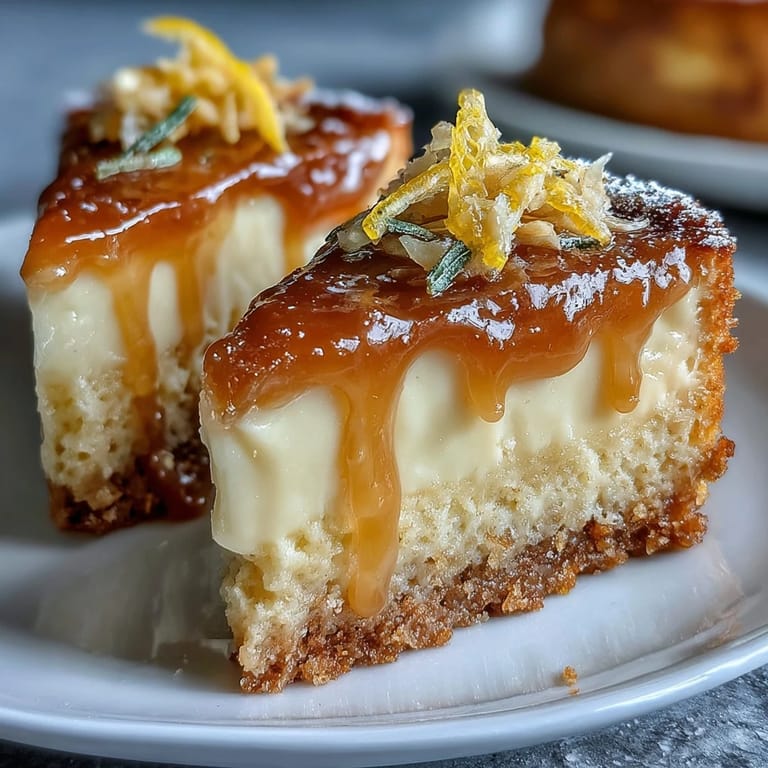
- Powdered sugar and fresh garnishes (optional): A light dusting at the end and some candied lemon slices or fresh mint make it look as beautiful as it tastes.
Tired of Takeout? 🥡
Get 10 meals you can make faster than delivery arrives. Seriously.
One email. No spam. Unsubscribe anytime.
Instructions
- Heat your oven and gather your station:
- Preheat to 350°F while you pull out your tart pan, food processor, and mixing bowls. Having everything ready means you can move quickly once you start.
- Build the crust with cold hands and a light touch:
- Pulse flour, powdered sugar, and salt in your processor, then add the cubed butter and pulse until the mixture looks like coarse breadcrumbs—you want visible little butter flecks. Add the egg yolk and 2 tablespoons of ice water, then pulse gently just until the dough comes together; if it's still crumbly, add the third tablespoon of water one teaspoon at a time and pulse once or twice.
- Rest the dough so the gluten relaxes:
- Form the dough into a disk, wrap it in plastic, and slide it into the fridge for 30 minutes if you have the time; even 15 minutes helps. Cold dough rolls out without shrinking and bakes up flakier.
- Line your tart pan with confidence:
- Roll the dough out on a lightly floured surface to about 1/8 inch thick, then transfer it to your pan by rolling it loosely around your pin and unrolling it over the pan. Press it gently into the corners, trim any overhang with a sharp knife, and prick the base all over with a fork so it doesn't puff up while baking.
- Blind bake the crust until it sets:
- Line the dough with parchment paper and fill it with pie weights or dried beans, then bake for 15 minutes until the edges just start to turn pale golden. Remove the weights and paper, then bake another 10 minutes until the base is light golden and set; it should still feel a bit tender because it will bake again with the filling.
- Whisk the filling until it's smooth and glossy:
- In a large bowl, whisk together the whole eggs, egg yolks, sugar, fresh lemon juice, lemon zest, cooled melted butter, and a pinch of salt until completely smooth. Let it sit for a minute so any bubbles rise to the surface, then gently pour it through a fine-mesh sieve into another bowl to catch any bits of coagulated egg white.
- Pour and bake until the center has a gentle jiggle:
- Pour the filling into your warm prebaked crust and slide it into the oven. Bake for 20–25 minutes; the tart is done when the edges are set and the center still has a very slight wobble when you gently shake the pan—it will continue to set as it cools and you don't want it rubbery.
- Cool slowly so it doesn't crack:
- Let the tart cool on a wire rack for at least 30 minutes, then slide it into the refrigerator for at least 2 hours before you unmold it. This slow cooling prevents cracks and lets the flavors settle.
- Dust and serve with grace:
- Just before serving, dust the top lightly with powdered sugar and garnish with candied lemon slices, fresh berries, or torn mint leaves if you like. A small dollop of crème fraîche on the side is never wrong.
 Save to Pinterest
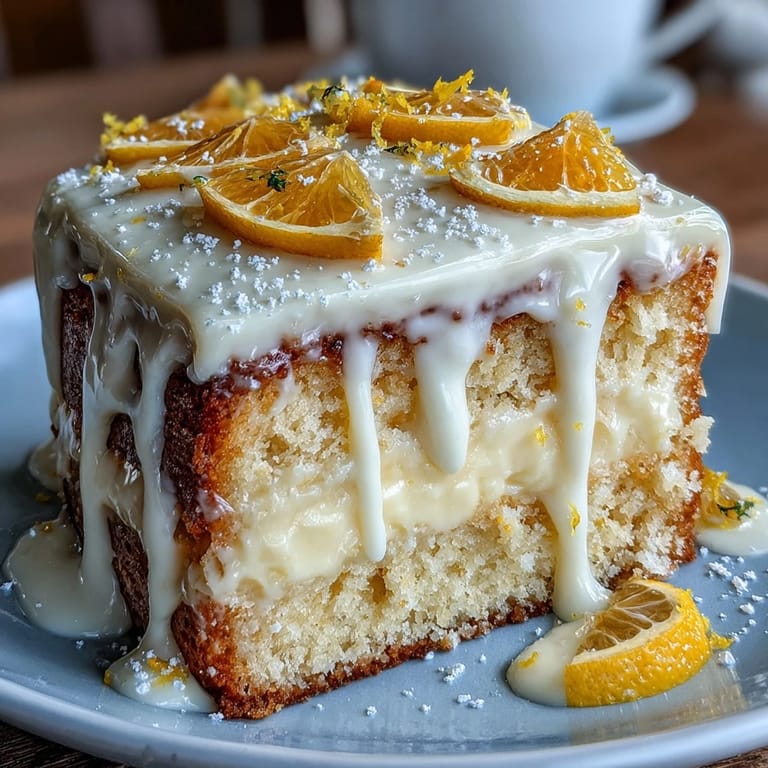
 My friend Claire brought her three-year-old to a dinner where I served this, and he somehow convinced her to let him have a tiny taste. He looked at it like he'd discovered something magical, asked for the name, and then spent the rest of dinner telling everyone it was called the "shiny lemon cake." Sometimes food is just about those small, unexpected moments of joy.
The Art of the Buttery Crust
The shortcrust is really just three things: flour, butter, and the minimal amount of liquid needed to hold it together. The magic is in keeping everything as cold as possible and handling it as little as you can. I learned this the hard way one winter when I decided to make the dough by hand instead of using my processor, and somehow ended up with something more suited to making leather than eating it. Now I use cold hands, a cold surface, and move fast.
Why Fresh Lemon Juice Makes All the Difference
There's no substitute here, and I say this as someone who genuinely loves convenience. Bottled lemon juice has been pasteurized and tastes oddly flat and bitter, while fresh juice has this living brightness that carries through the tart. Squeezing lemons by hand takes maybe five minutes, and the difference in the final dessert is honestly night and day. If you're using regular supermarket lemons, you'll need three or four; if you're lucky enough to have Meyer lemons, two or three will usually do it.
Serving and Storage Wisdom
This tart is at its best served cold or at cool room temperature, and it keeps beautifully for three days in the fridge covered loosely with foil. You can also bake it completely the day before your dinner party and refrigerate it overnight; just add the powdered sugar and fresh garnishes the day you serve it. Bring it out of the fridge about 20 minutes before serving so the flavors aren't muted by the cold.
- Pair it with something cold: A glass of chilled Sauternes, sparkling wine, or even cold sweet tea cuts through the richness and brightens the whole experience.
- A dollop of crème fraîche or whipped cream is your friend: The tang and texture add another dimension and make every bite feel a little more indulgent.
- Slice it with a hot, wet knife: Dip your knife in hot water and wipe it clean between slices for neat, tidy cuts that look elegant on the plate.
 Save to Pinterest
 This tart has become the dessert I make when I want to say something without words—when I'm celebrating someone or showing up for them. There's something about the combination of technique and simplicity that feels like it matters.
Recipe FAQ
- → What type of crust is used?
A buttery shortcrust pastry made from all-purpose flour, cold butter, powdered sugar, and egg yolk forms the base, providing a crisp and tender texture.
- → How do I ensure the lemon filling sets properly?
Whisk eggs, egg yolks, sugar, lemon juice, lemon zest, and melted butter until smooth, then bake until the center is just set but slightly wobbly, allowing it to firm up while chilling.
- → Can I substitute any citrus for lemon?
Yes, blood orange or lime juice can partially replace lemon juice to add variety while maintaining a bright citrus flavor.
- → What is the best way to chill the tart?
After baking, cool completely on a wire rack, then refrigerate for at least two hours to achieve the ideal texture and flavor balance.
- → How can I garnish the tart for serving?
Light dusting of powdered sugar, thin lemon wheels, fresh berries, or mint leaves provide an elegant finish and fresh contrast.
- → Are there tools required to make the crust?
A food processor or pastry blender speeds mixing the crust, while a tart pan with removable bottom aids in even baking and easy removal.